
Before you open a single job board
The impulse to start scrolling job listings immediately is understandable, but skipping the preparation stage usually leads to scattered applications and a longer search overall. The first thing to do is define what you are actually looking for.
Write down answers to three questions: What type of work do you want to do day to day? What industries or company sizes interest you? What are your non-negotiable requirements, whether that is compensation, location, or schedule?
You do not need perfect answers. You need answers clear enough to focus your search on a realistic target rather than applying to everything that looks vaguely acceptable. Knowing your salary floor before you apply also prevents you from wasting time on roles that cannot meet your needs. Researching salary ranges for your target role before sending a single application is time well spent.
This planning phase also connects to the broader arc of your career. If you are thinking about growth and not just your next paycheck, career growth resources can help you think about where a new role fits your longer trajectory.
Write your criteria down before you search
Job seekers who write down their target role, preferred industries, and compensation requirements before searching tend to apply more selectively and follow up more consistently. A short list on paper or in a notes app takes five minutes and can save hours of misdirected effort. Revisit it after your first two weeks to see if your thinking has shifted.
Get your documents in order
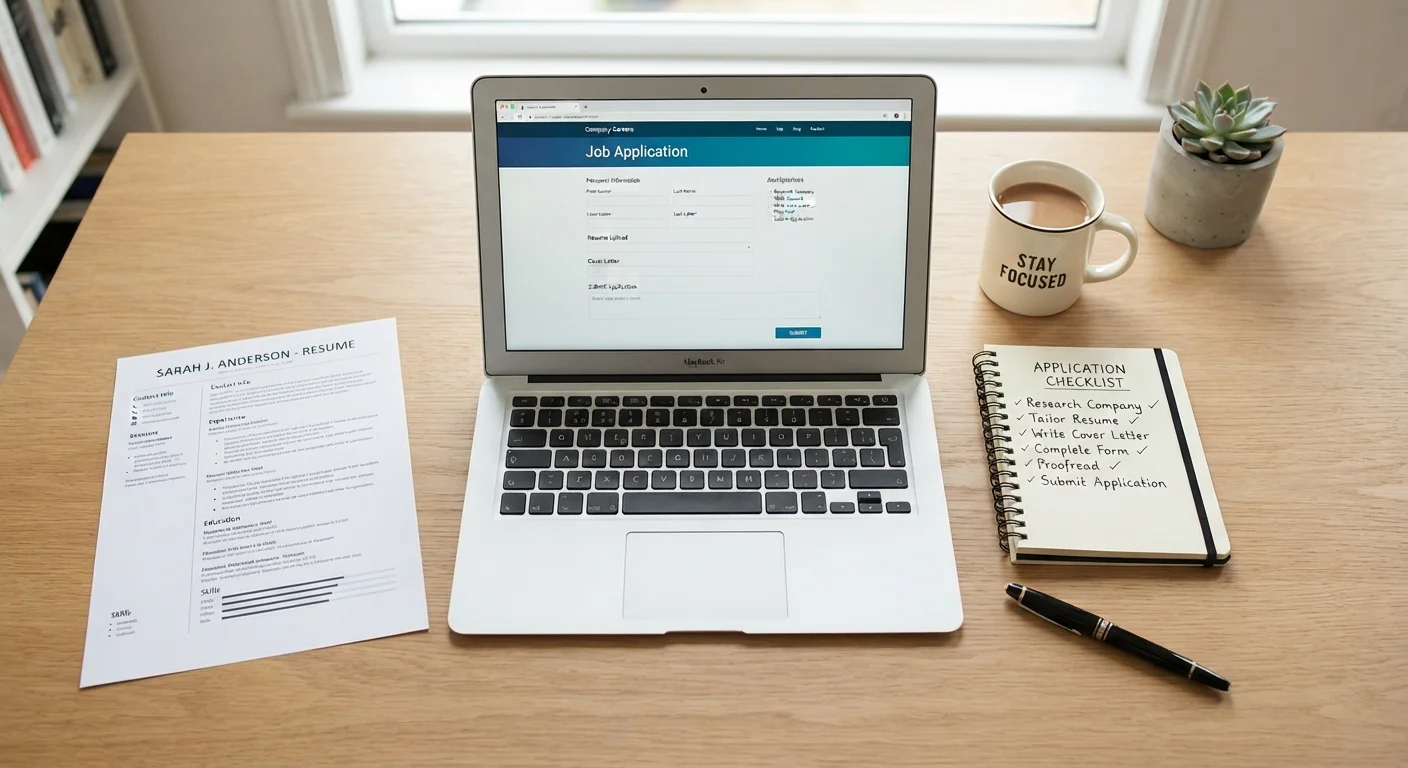
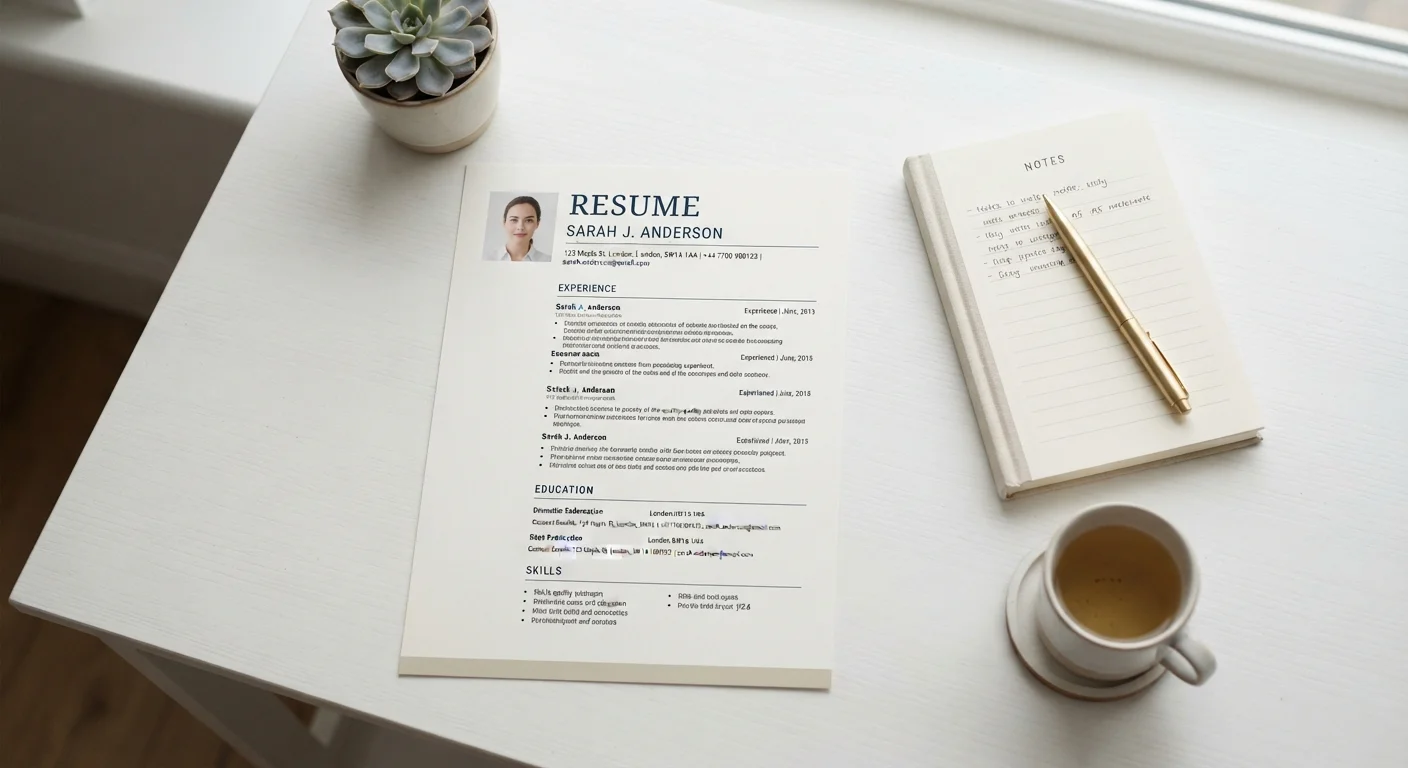
Before applying anywhere, you need a current, accurate resume. Pull out whatever version you have and update it with your most recent role, accomplishments, and dates. Use clear, plain language and concrete results where possible: numbers and outcomes carry more weight than duties listed in general terms.
A few practical points worth knowing:
- Keep your resume to one or two pages, with the most recent experience at the top.
- Use a clean, readable format. Decorative designs can confuse the applicant tracking systems many employers use to screen resumes.
- Save a master version and create tailored copies when you apply to specific roles.
You should also draft a flexible cover letter template. It does not need to be long, but it should have clear sections you can swap out quickly for each application.
Before you submit anything, run through our application readiness checklist to catch gaps or errors you might otherwise miss.
Applicant tracking system (ATS)
Software that employers use to collect, filter, and organize job applications. Resumes formatted with complex designs or unusual fonts can sometimes be misread by these systems, which is why plain formatting is generally safer.
Target role
The specific type of job you are actively pursuing. Defining a target role helps you tailor your resume and cover letter rather than sending generic materials to every open position.
Tailored application
An application where your resume and cover letter have been adjusted to match the language and requirements of a specific job posting, rather than using the same generic version for every employer.
Salary floor
The minimum compensation you are willing to accept for a job. Knowing this number before you apply keeps you from investing time in roles that cannot meet your basic financial requirements.
Passive candidate
Someone who is currently employed and not actively job searching but is open to new opportunities. Recruiters actively seek passive candidates, which is why keeping your profile current even when you are not searching has practical value.
Set up your online presence
Most hiring managers and recruiters look up candidates online before or during the interview process. A complete, professional LinkedIn profile (or a profile on an equivalent platform relevant to your field) makes that first impression work in your favor.
At a minimum, your profile should include:
- A professional photo
- A clear headline that states what you do or the type of role you are seeking
- A summary written in first person that describes your background and goals
- Current and past experience with brief descriptions of your responsibilities and accomplishments
Also do a quick search of your own name. If anything publicly visible is inconsistent with how you want to present yourself professionally, address it before employers find it.
Your email address matters too. A professional address using your name is a small thing that reads clearly to recruiters.
Start searching with a plan
With your documents ready and your profile updated, you can start identifying actual job postings. The way you search matters as much as where you search.
Use specific job titles rather than broad categories when entering search terms. Filters for location, experience level, and date posted save time by narrowing results to relevant listings. Reading each job description carefully before applying helps you decide whether to tailor your resume for that specific role.
Job boards are a good starting point for discovery, but they are not the only channel. Reaching out to former colleagues, mentors, or industry contacts often surfaces opportunities that never appear publicly. The U.S. Bureau of Labor Statistics Occupational Outlook Handbook is a free resource for understanding which fields are growing and what specific roles typically require.
For a deeper look at how different platforms work and which might suit your situation, see our guide on making sense of modern job boards. For an overview of the full search process from start to finish, the complete roadmap to finding a job puts each step in context.
Track everything from day one
Once you begin applying, the details multiply fast. A simple spreadsheet is enough to stay organized. For each application, record the company name, role title, the platform or method you used to apply, the date submitted, and any follow-up steps or deadlines.
Tracking also tells you which channels are generating responses and which are not, so you can adjust your approach. If you have sent a dozen applications over two weeks with no callbacks, that is data worth acting on rather than ignoring.
A well-maintained log also prevents the small but damaging mistake of applying to the same role twice, or forgetting a follow-up after an interview. Consistency in tracking is one habit that separates a disorganized search from an effective one.