
What actually happens after you hit submit
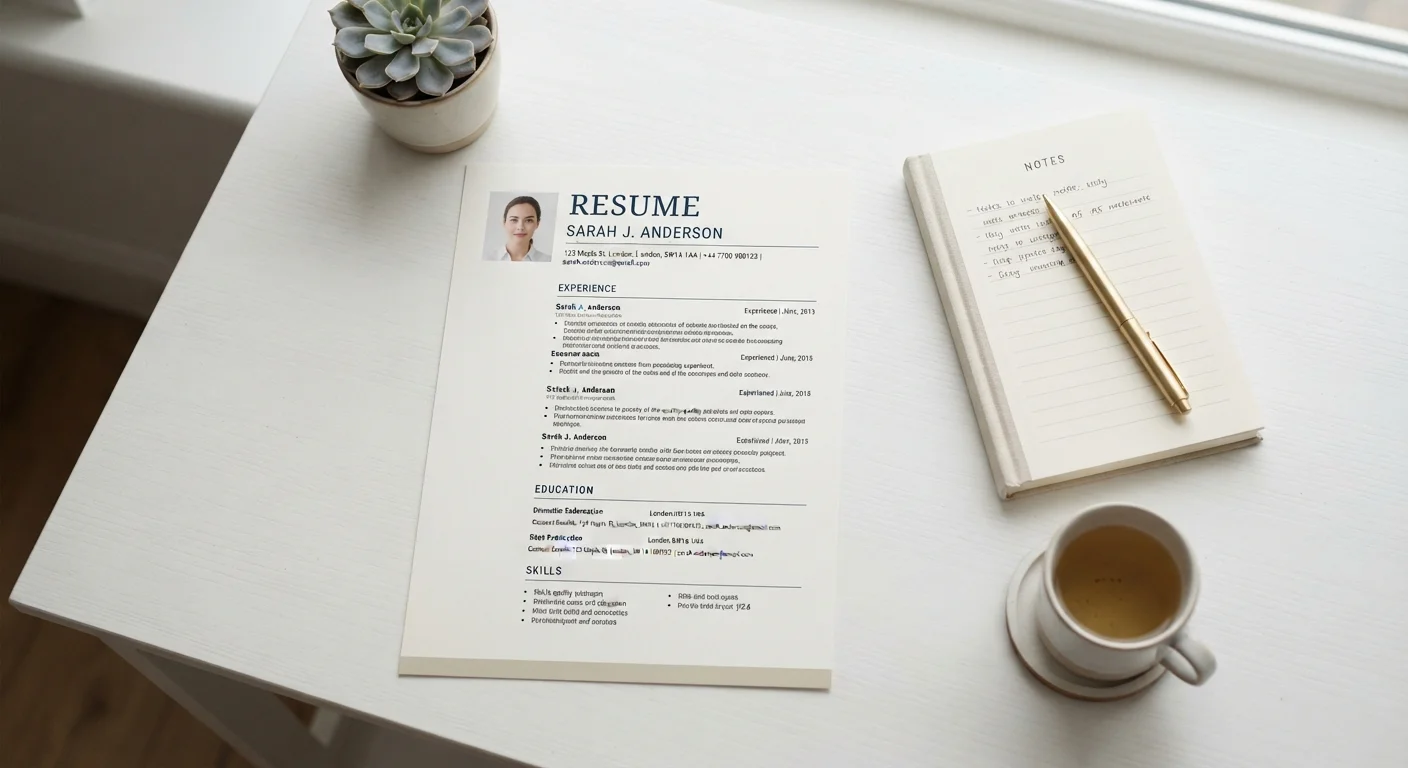
Most job seekers picture a recruiter opening each application and reading it carefully. In practice, the first step at most companies is automated. An applicant tracking system (ATS) ingests your resume, parses its contents, and scores it against criteria set by the hiring team. Applications that do not score well enough are archived without ever reaching a human reader.
Beyond the ATS, recruiters handling dozens of open roles may spend only a few seconds scanning each resume that does get through. That is not negligence: it reflects the volume of applications most employers receive. Understanding how modern job boards work can help you see where your application goes once you submit it and why some channels produce better results than others.
Applicant tracking systems screen most resumes first
At many medium and large employers, an applicant tracking system (ATS) processes every submission before a recruiter sees it. If your resume does not contain the right keywords or is formatted in a way the system cannot read, it may never appear in a recruiter's review queue at all. Understanding this step is the foundation for fixing a silent application process.
The mistakes that send applications to silence
Most unanswered applications share one or more of the following problems. Working through them one by one is more effective than sending more volume.
Sending a generic resume to every posting without adjusting the content to match the job description.
Why it happens: Job seekers often want to apply to many roles quickly, so they use one resume for everything to save time.
Using a resume format with tables, graphics, headers and footers, or columns that confuse ATS parsers.
Why it happens: Visually appealing resume templates are widely available and look polished to a human eye, but many were not designed with automated parsing in mind.
Applying to roles where you clearly do not meet the stated minimum qualifications.
Why it happens: Job seekers are sometimes encouraged to apply broadly and hope for the best, which leads to sending applications to roles that require specific licenses, degrees, or years of experience they do not have.
Writing a cover letter that restates the resume rather than addressing why this specific role at this specific employer fits your background.
Why it happens: Many people treat cover letters as a formality and default to summarizing their work history rather than making a targeted case.
Never following up after submitting, or following up so aggressively that it becomes counterproductive.
Why it happens: Candidates either assume following up is unwelcome or go to the opposite extreme and contact a recruiter multiple times in a short window.
Applying through a job board aggregator for a role that requires a direct application through the company's own system.
Why it happens: Aggregators make it easy to apply with one click, but some employers do not monitor third-party submissions and only review applications received through their official portal.
Before submitting any application, run through a readiness check on your materials. A practical application readiness checklist can catch formatting, content, and tone issues that are easy to miss when you are reviewing your own work.
How to tell if a listing is still real
Not every open posting represents an open role. Companies sometimes keep listings active while a hiring decision is pending, while a requisition is frozen, or simply because nobody removed it. Spending time on a tailored application for a ghost listing is a real cost.
Ghost job listings are common
Some postings remain active on job boards long after a position has been filled, paused, or cancelled. Employers are not always required to take listings down promptly. If a role has been posted for several months with no updates, there is a reasonable chance it is no longer active. Check the company's own careers page to verify a listing is current before investing significant time in the application.
Two quick checks help: look at the original post date (anything beyond 60 to 90 days warrants skepticism) and search the company's own careers page for the same title. If the listing does not appear there, the application may not reach anyone. Applying through a company's own site vs. a board is worth considering whenever you are unsure which route the employer actually monitors.
Shifting from volume to targeting
A common response to silence is applying to more jobs. A more productive response is applying more carefully to fewer. The time saved by skipping tailoring rarely results in callbacks; it usually results in more silence.
Identify employers that interest you and research what they have been hiring for. Set up alerts on job boards so you see new postings quickly, because early applications consistently fare better than late ones in a crowded field. If you are just starting a search, a structured first-week plan can help you build that targeting habit from the beginning rather than correcting for scattered applications later.