What each term actually means
Flexibility refers to the ability of a muscle or group of muscles to lengthen passively. When you sit on the floor and reach toward your toes, the distance you cover reflects the flexibility of your hamstrings. The stretch happens because an external force, in this case gravity and your own body weight, is pulling the muscle longer. The muscle is not actively working to get you there.
Mobility describes something different: the degree of controlled, active movement a joint can produce. A mobile hip, for example, can move through a wide arc while the surrounding muscles maintain stability and coordination throughout that motion. You are not just reaching the position, you are managing it.
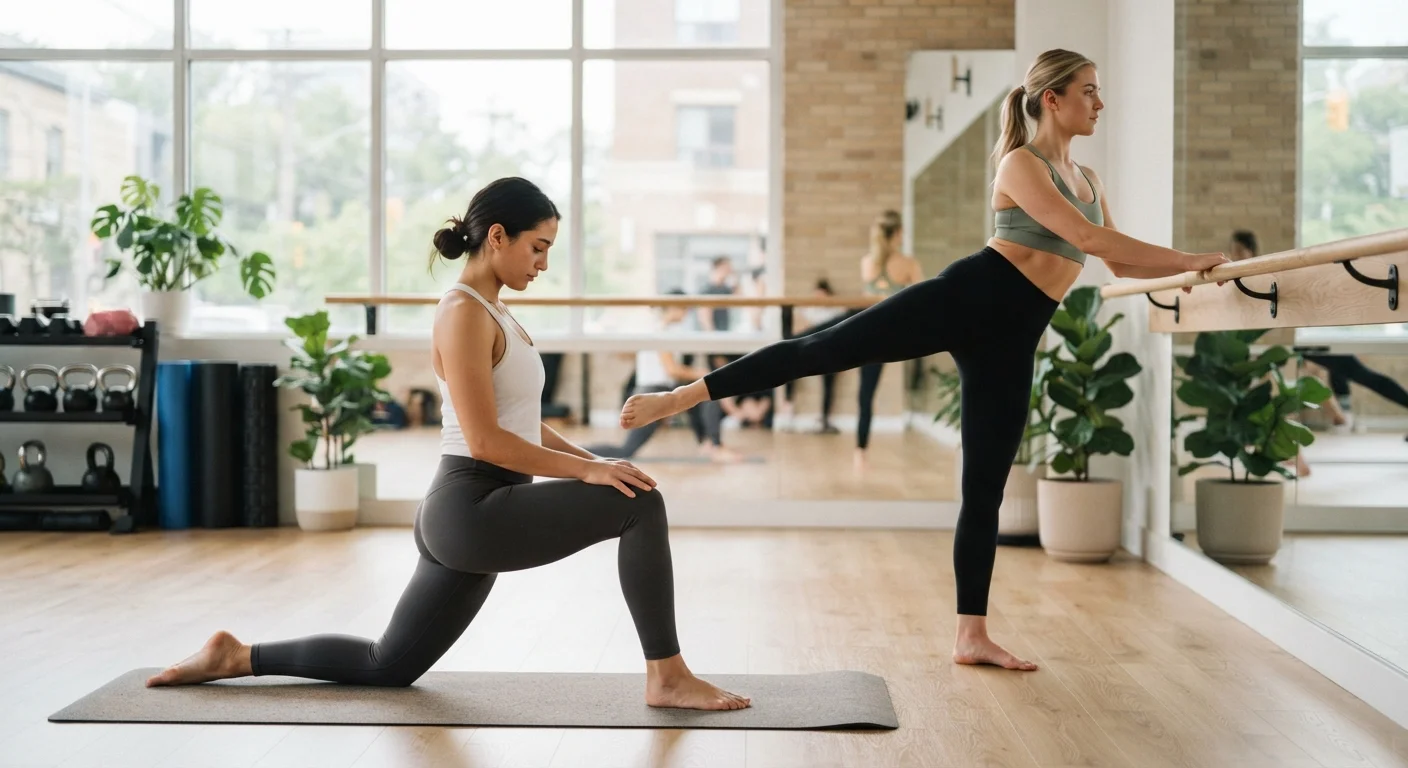
The distinction matters because a person can have long, flexible muscles that do not translate into usable joint range. A gymnast may be able to do a full split when relaxed but struggle to lift a leg to that height while standing, because the active control is not there. That gap between passive and active range is where many movement problems originate.
How flexibility and mobility are trained differently
Static stretching is the most common way to build flexibility. Holding a stretch for 20 to 60 seconds at a point of gentle tension, done regularly over weeks, gradually increases muscle length. This type of work is generally safe and accessible, though people with certain health conditions should check with a healthcare provider before starting any new exercise routine.
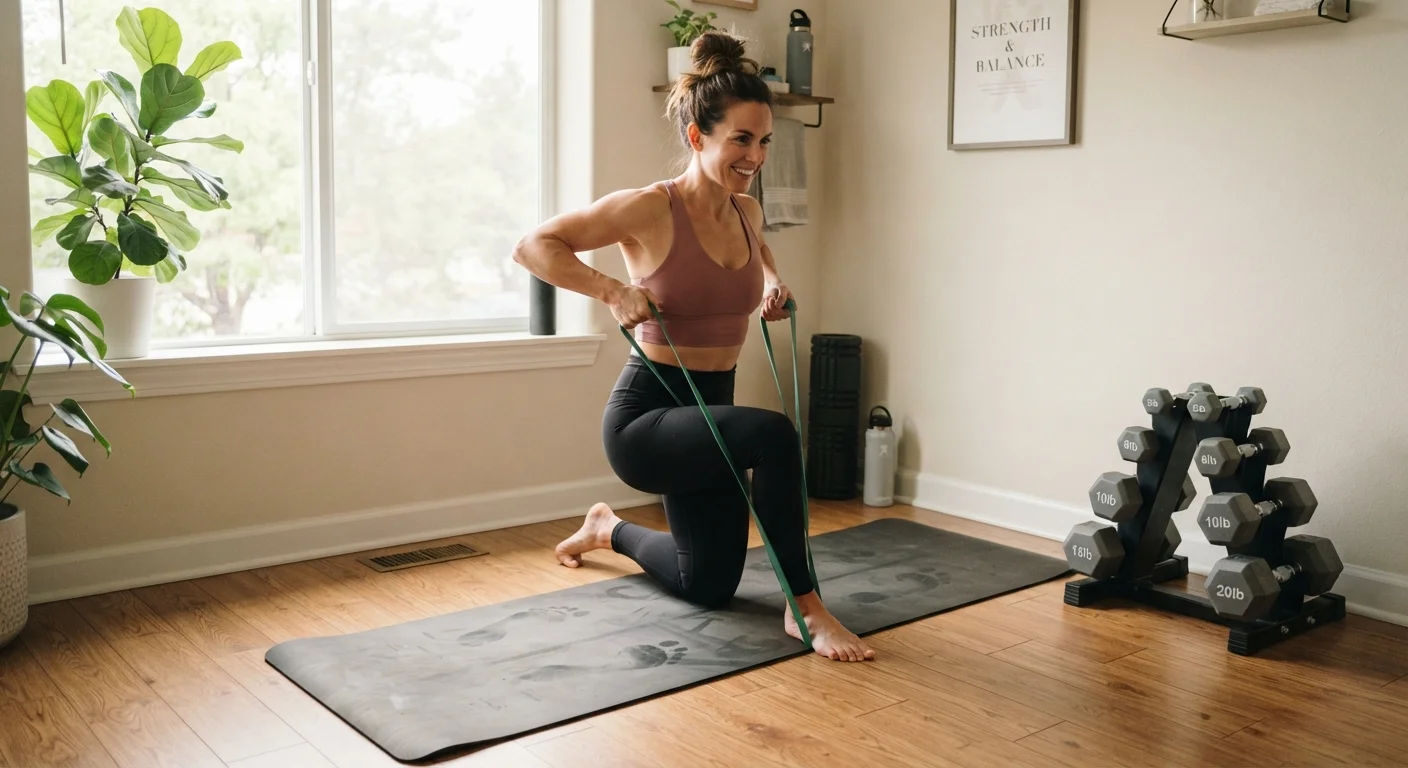
Mobility training looks different. It combines movement, strength, and body control. Common approaches include dynamic warm-up drills (leg swings, hip circles, shoulder circles), yoga flows that require active stabilization, and exercises like deep squats or controlled single-leg movements that demand both range and muscular engagement. Many physical therapists incorporate mobility work as part of rehabilitation because it restores functional movement patterns, not just tissue length.
See our guide to balancing cardio and strength training for context on how movement variety fits into a broader fitness routine.
| Criterion | Flexibility | Mobility |
|---|---|---|
| Core definition | Passive muscle length | Active joint range and control |
| Primary training method | Static stretching | Dynamic drills, strength through range |
| Muscle involvement | Muscle is relaxed and lengthened | Muscles actively stabilize and move |
| Best training timing | Post-workout or rest days | Warm-up or dedicated movement sessions |
| Injury prevention value | Moderate (reduces tightness) | High (builds movement control) |
| Functional carry-over | Limited without active control | Directly transfers to daily movement |
Why both decline with age and inactivity
Muscles shorten gradually when they stay in the same position for long periods. Joints lose their full range when they are not regularly taken through it. This is why people who sit for most of the day often feel stiff in the hips and lower back, and why adults who were once active notice reduced ease of movement if they stop exercising for months or years.
The good news is that both flexibility and mobility respond to training at any age. Older adults and those returning to exercise after a long break can see real improvements with consistent, appropriately paced practice. The key is starting within a comfortable range and progressing gradually, rather than forcing positions the body is not yet prepared for.
This article is for informational purposes only and is not medical advice. Consult a qualified healthcare professional before starting a new exercise program, especially if you have an existing injury, chronic condition, or have been inactive for a prolonged period.