What these three methods actually have in common
Body weight exercises, free weights, and resistance bands are all forms of resistance training. That means each one asks your muscles to work against a force, which over time stimulates them to grow stronger. The differences lie in how that force is delivered, how much it costs to access, and how easily you can adjust it.
If you are deciding how to structure your workouts, understanding these practical differences matters more than chasing the "best" tool. For a deeper look at how your body responds to consistent training regardless of method, see how the body adapts to regular exercise.
Breaking down each approach
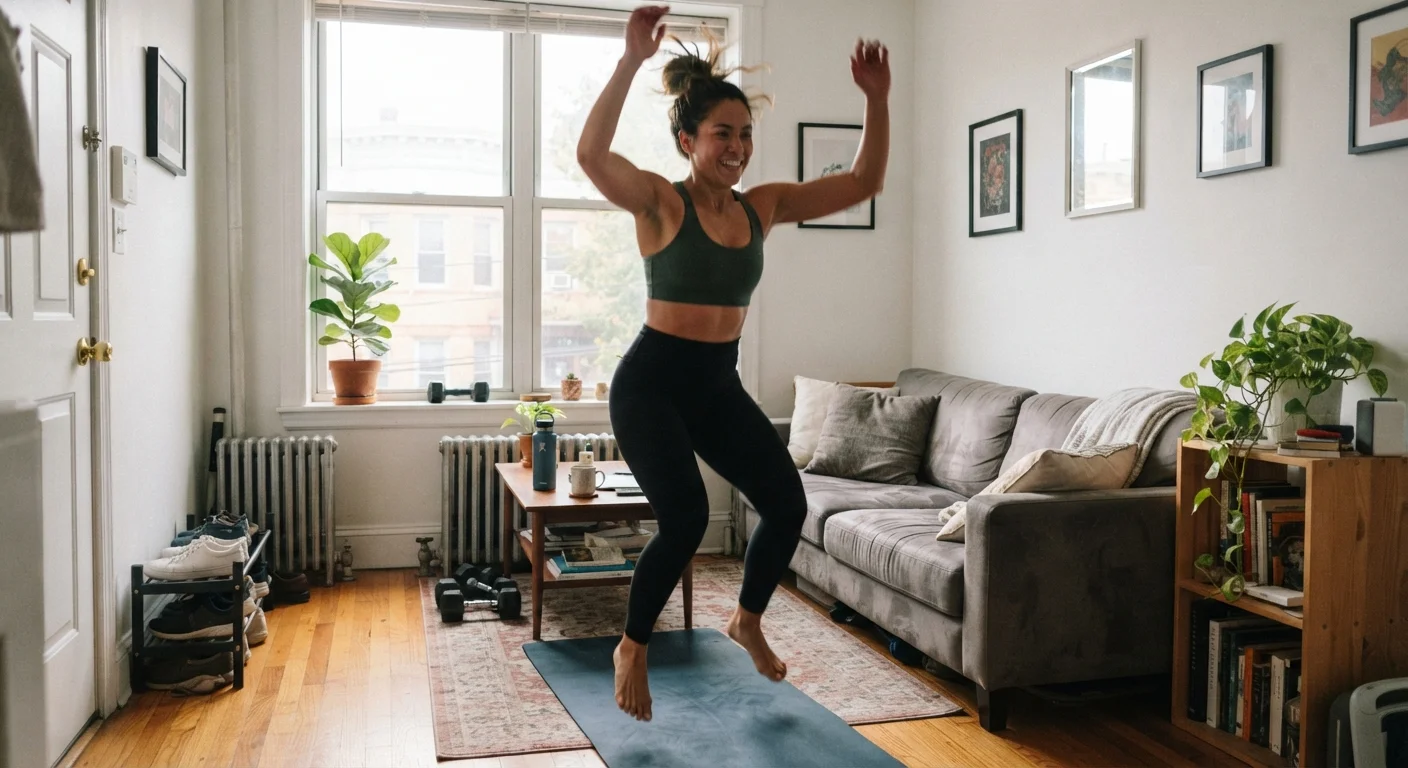
Body weight training uses your own mass as the load. Push-ups, squats, lunges, and planks require no equipment, no membership, and no dedicated space beyond enough room to lie down. The main limitation is load: once a movement becomes easy, your options for adding resistance are limited to more advanced variations (like a single-leg squat) or higher volume. This can slow progression for stronger individuals.
Free weights include dumbbells, barbells, and kettlebells. They allow precise load increases in small increments, which makes them well-suited to progressive overload, the principle of gradually increasing the demand on your muscles. The tradeoff is cost and space. A basic dumbbell set is manageable for many households, but a full barbell setup takes real room and a larger investment. Proper form matters more with heavier loads, so beginners should consider working with a qualified trainer before using significant weight.
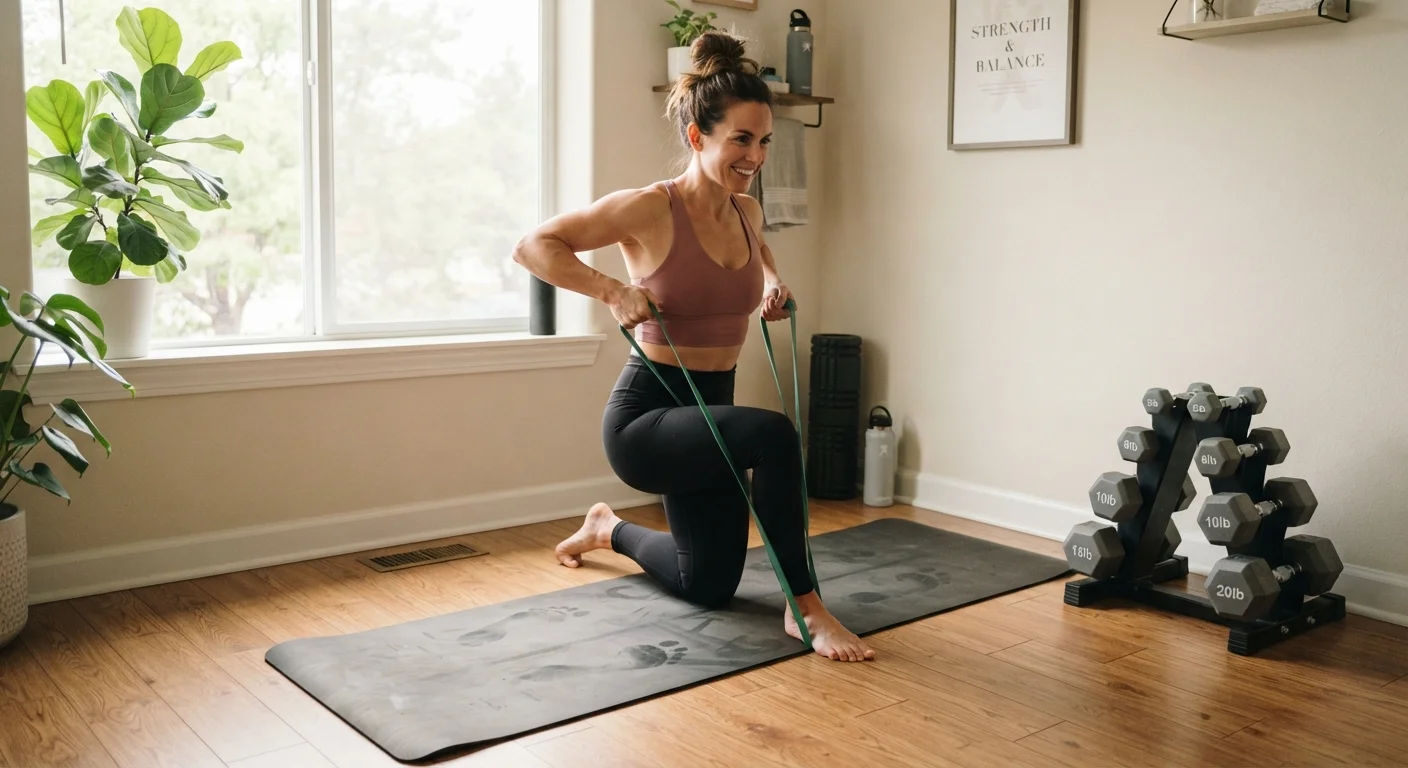
Resistance bands use elastic tension. As the band stretches, resistance increases, which creates a different force curve than free weights. Bands are inexpensive, weigh almost nothing, and travel easily. They work well for warm-ups, rehabilitation exercises, and standalone strength work. One practical limitation: quantifying band resistance is less precise than measuring pounds or kilograms, which can make tracking progress harder.
| Body weight | Free weights | Resistance bands | |
|---|---|---|---|
| Upfront cost | Free | Moderate to high | Low ($10-$40 typical) |
| Space needed | Minimal (body length) | Moderate to large | Minimal |
| Portability | Complete: no gear | Low, heavy and bulky | High, fits in a bag |
| Progressive overload | Limited, harder variations | Precise, wide range | Approximate, band-dependent |
| Joint-friendliness | Generally good | Depends on load and form | Generally good, low impact |
| Best suited to | All levels, no-budget starts | Intermediate to advanced | Beginners, travelers, rehab |
Cost and accessibility in real terms
Body weight training has no upfront cost. Resistance bands typically run from around $10 to $40 for a set of varying tensions. A basic adjustable dumbbell pair can cost anywhere from $30 to well over $200 depending on the weight range and quality. A full barbell and plate set represents a larger investment still.
Accessibility goes beyond price. If you travel frequently, bands fit in a bag. If you live in a small apartment, a barbell is not realistic. If you have limited mobility or are returning from an injury, bands often allow more control over the range of motion and tension than free weights do at equivalent loads.
For practical ideas on building a home exercise space within your budget, setting up a home workout space covers what you actually need at each level.
Effectiveness for common fitness goals
All three methods can improve strength, muscle mass, and endurance when used consistently. The research on resistance bands versus free weights shows comparable muscle activation in many exercises, particularly for upper body work, though free weights tend to allow greater absolute loads as you advance.
For fat loss, the method matters less than how often you train and how much total effort you put in. For building raw strength at higher levels, free weights have an advantage because you can load them heavily and track progress in clear increments.
Beginners often do well starting with body weight or bands before moving to free weights, because lighter loads give more time to learn movement patterns before adding significant resistance. Getting started with strength training covers those fundamentals in detail.
If your schedule is the bigger obstacle, all three methods can fit into short sessions. Building a weekly exercise habit offers approaches that work even with minimal free time.
This article is for general informational purposes only and is not a substitute for professional medical or fitness advice. Consult a qualified healthcare provider or certified fitness professional before starting a new exercise program, particularly if you have an existing health condition or injury.