
What posture actually does to your body
Every position you hold places load on your muscles, tendons, and joints. When alignment is reasonably balanced, that load is distributed across multiple structures and no single area is overworked. When the body stays in an imbalanced position repeatedly, certain muscles shorten and tighten while opposing muscles weaken from underuse. Over months and years, those imbalances accumulate.
Forward head posture illustrates this well. For every inch the head moves forward from its neutral position over the spine, the effective load on the neck muscles roughly doubles, according to biomechanical research. Sustained neck strain can contribute to headaches, shoulder tension, and upper back discomfort.
The lumbar spine (the lower back) tells a similar story. Prolonged sitting, particularly with a slumped pelvis, flattens the natural inward curve of the lower back and places asymmetric pressure on spinal discs. This does not mean sitting causes inevitable injury; it means the body responds to what it does most often.
The value of movement breaks
No single sitting position is ideal for hours at a time. The most effective habit is changing position regularly: stand, walk, or stretch briefly every 30 to 60 minutes. Brief, frequent movement interruptions reduce cumulative spinal loading more consistently than any one "correct" posture held all day.
Why muscle strength matters more than willpower
Many people try to fix posture through conscious effort alone: telling themselves to "sit up straight" dozens of times a day. This rarely sticks because posture is largely a function of muscle strength and flexibility, not awareness. If the core and back muscles are too weak to support an upright spine comfortably, holding that position feels like an effort that fades within minutes.
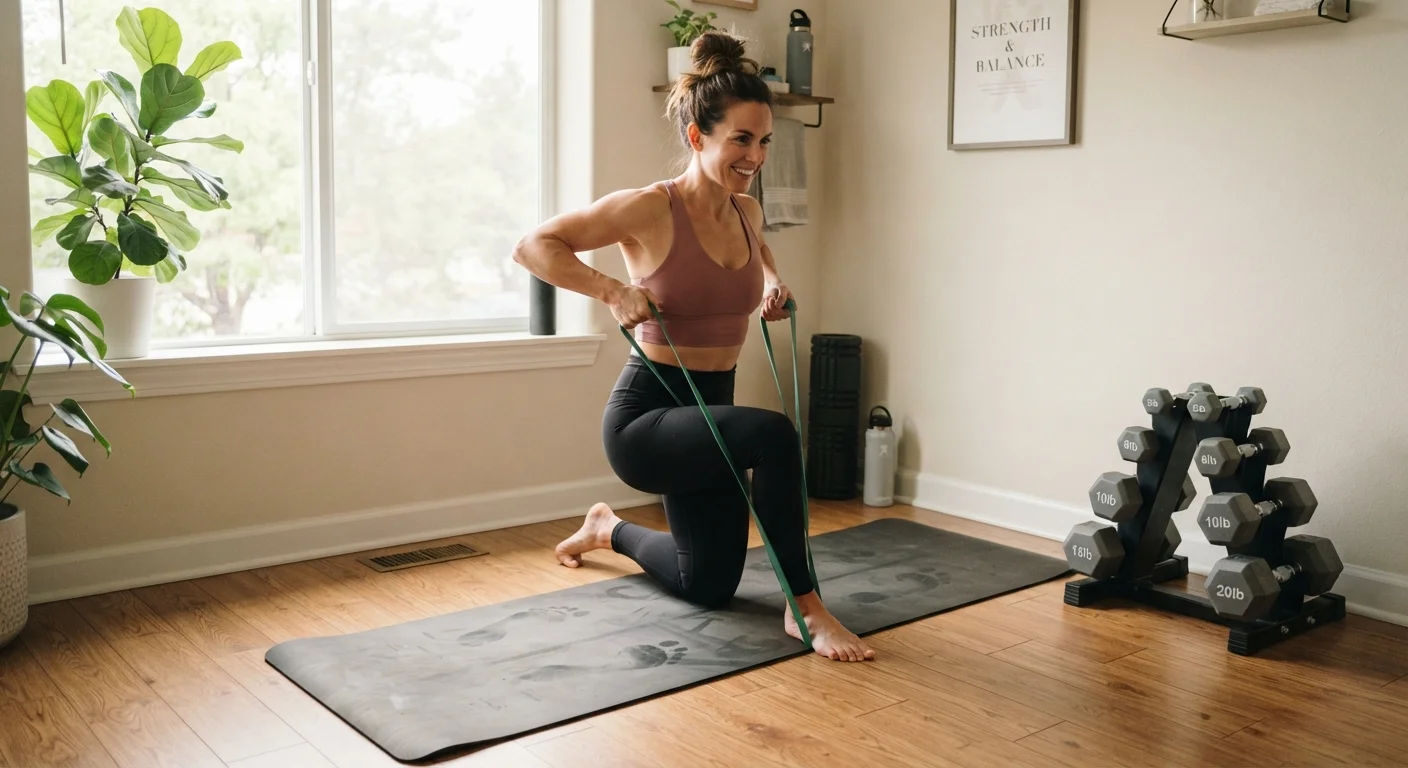
Targeted strengthening of the deep core muscles, the muscles along the spine (erector spinae), and the muscles between the shoulder blades gives the body a structural reason to maintain better alignment without constant conscious correction. Physical therapists and certified strength and conditioning specialists commonly use exercises such as rows, dead bugs, and hip hinges to rebuild this foundation.
Flexibility also matters. Tight hip flexors, common in people who sit for long periods, pull the pelvis into an anterior tilt (forward tilt), which increases the arch in the lower back and strains the lumbar muscles. Addressing this through regular stretching can shift alignment more than any cue to "stand tall." For guidance on which stretching approaches have evidence behind them, see stretching practices with evidence.
The workstation and daily environment
For adults who spend several hours at a desk each day, workstation setup has an outsized effect on posture. A monitor positioned too low invites forward head posture. A chair that does not support the lumbar curve encourages slumping. A keyboard placed too far away rounds the shoulders forward.
Basic ergonomic principles include setting the monitor so the top of the screen is roughly at eye level, positioning the keyboard so elbows stay close to the body at approximately a 90-degree angle, and using a chair that supports the natural lower back curve. These adjustments reduce the postural load over a cumulative eight-hour day far more than periodic reminders to sit up straight.
Movement frequency is equally important. Standing up and walking briefly every 30 to 60 minutes interrupts prolonged static loading on the spine. This applies whether someone works from home or in an office environment.
Posture across the lifespan
Posture-related changes are not exclusive to older adults. Adolescents who spend hours on phones and devices show increasing rates of neck and upper back strain. Working-age adults accumulate years of desk or manual labor habits before symptoms appear. Older adults face a compounding effect: natural changes in bone density and muscle mass make earlier postural imbalances harder to compensate for.
This is why building good movement habits earlier matters. Strength training, regular cardiovascular activity, and mobility work all contribute to the musculoskeletal resilience that supports better posture across decades. For a broader look at how consistent exercise shapes the body over time, see how the body adapts to regular exercise. Posture also sits within a larger picture of daily health habits; how lifestyle choices intersect with preventive care covers how movement, sleep, and nutrition connect to long-term health outcomes.
This article is for general informational purposes only and does not constitute medical advice. Consult a qualified healthcare professional for personal guidance on pain, posture concerns, or exercise programs.