
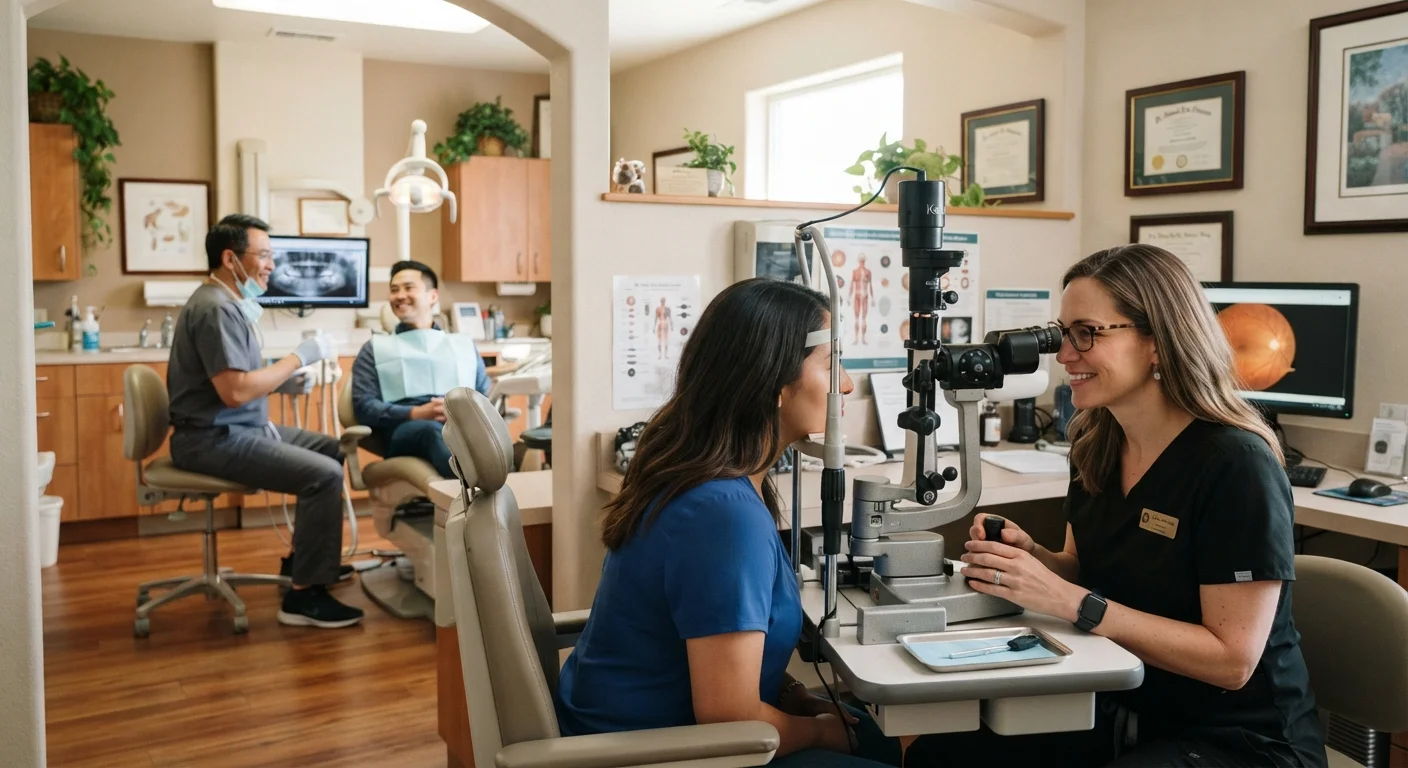
Why these exams belong in your preventive care routine
Most Americans associate preventive care with an annual physical or a blood pressure check. Vision and dental exams are often treated as separate, optional concerns rather than part of the same health picture. That separation can leave important diagnostic gaps.
Both the eyes and the mouth give clinicians a direct view into tissues that reflect what is happening elsewhere in the body. Blood vessels in the retina are the only blood vessels visible to the naked eye without surgery, which is why an eye doctor can sometimes spot vascular changes before a primary care physician does. The mouth, meanwhile, is the entry point for the digestive and respiratory systems, and its tissues are sensitive to immune function, nutrition, and hormonal shifts.
Treating these exams as standalone concerns disconnected from general health misses the fuller picture. A clear overview of commonly recommended adult screenings can help you see how eye and dental visits fit alongside other routine checkups.
What eye exams can reveal
A comprehensive eye exam goes well beyond reading letters off a chart. The dilated fundus exam, in which an eye doctor widens the pupil with drops to examine the retina, can show changes in blood vessel structure associated with hypertension or early diabetic retinopathy. Patients are sometimes referred for blood glucose or blood pressure testing as a direct result of findings at an eye appointment.
Glaucoma, a condition involving pressure buildup that damages the optic nerve, typically has no symptoms in its early stages. Intraocular pressure testing during a routine exam is one of the few ways to catch it before permanent vision loss occurs. Similarly, age-related macular degeneration and cataracts detected early allow more treatment options.
90 million
Americans with untreated vision problems
The Centers for Disease Control and Prevention has estimated that approximately 90 million Americans have vision problems that could be corrected or treated.
50%
Adults with untreated gum disease
The CDC reports that nearly half of adults aged 30 and older in the United States have some form of periodontal disease.
84%
Oral cancer cases linked to tobacco or alcohol
The American Cancer Society notes that the majority of oral cavity and oropharyngeal cancers are associated with tobacco use, heavy alcohol consumption, or HPV infection.
Adults who notice no vision problems still benefit from periodic exams because many conditions develop silently. The American Academy of Ophthalmology recommends a baseline comprehensive eye exam at age 40 for adults with no symptoms or risk factors, with frequency adjusted based on findings and individual risk.
What dental exams can reveal
A dental visit that includes a full exam, not just a cleaning, typically covers four areas beyond the teeth: gum health, oral soft tissues, bite and jaw function, and radiographic (X-ray) bone assessment. Each can surface findings that point beyond oral health.
Periodontal (gum) disease is associated with systemic inflammation. Research published in peer-reviewed journals has found associations between severe gum disease and cardiovascular conditions, though the nature of that relationship is still being studied. A dentist who identifies untreated periodontal disease may recommend that a patient discuss the finding with their primary care provider.
Oral cancer screening is a standard part of most comprehensive dental exams. The dentist or hygienist examines the lips, tongue, floor of the mouth, cheeks, and throat for unusual tissue changes. Oral cancer detected in early stages has substantially better outcomes than cancer found after symptoms prompt a visit.
Acid erosion on tooth enamel can indicate frequent acid reflux or dietary patterns that the patient has not reported elsewhere. Dry mouth noted during an exam can be a side effect of dozens of medications, alerting the dentist to flag the issue so the patient can discuss it with their prescribing provider.
How often and who to see
General guidance from professional bodies suggests most adults benefit from a dental exam every six months, though some individuals with low cavity risk and stable gum health may be advised to go annually by their dentist. Those with active gum disease may need visits every three to four months during treatment.
For vision, adults aged 18 to 39 with no risk factors or symptoms are often advised to have a comprehensive exam every two years. Adults over 40, those with diabetes, a family history of glaucoma, or prior eye conditions may need annual exams. Children and adolescents have their own recommended schedules, and parents should consult a pediatric eye specialist or their child's pediatrician for guidance.
An optometrist handles most routine vision care and can prescribe corrective lenses. An ophthalmologist is a medical doctor who can perform surgery and manage complex conditions. A general dentist handles preventive care and most restorative work; a periodontist specializes in gum disease, and an oral surgeon handles more complex procedures.
Fitting these exams into a broader schedule is easier when you plan ahead. A family preventive care calendar can help you track vision, dental, and medical appointments together so nothing is missed.
Navigating coverage and access
One of the most common reasons Americans skip vision and dental exams is cost. Standard medical insurance plans frequently do not include these benefits, and standalone dental or vision plans vary widely in what they cover. Some marketplace health plans include pediatric dental and vision as essential health benefits; adult dental coverage is not federally required under the Affordable Care Act.
Community health centers (Federally Qualified Health Centers, or FQHCs) provide dental care on a sliding-fee scale based on income and are present in most states. Dental schools offer supervised care at reduced cost. For vision, some optometry schools offer similar programs, and nonprofits such as Lions Club International operate vision assistance programs in many communities.
If you are preparing for an upcoming checkup and want to make the most of the time with your provider, see the guidance on getting the most out of a doctor's appointment.
This article provides general health information for educational purposes only. It is not a substitute for professional medical, dental, or vision advice. Speak with a qualified healthcare provider about your individual health needs and screening schedule.