What each style actually means
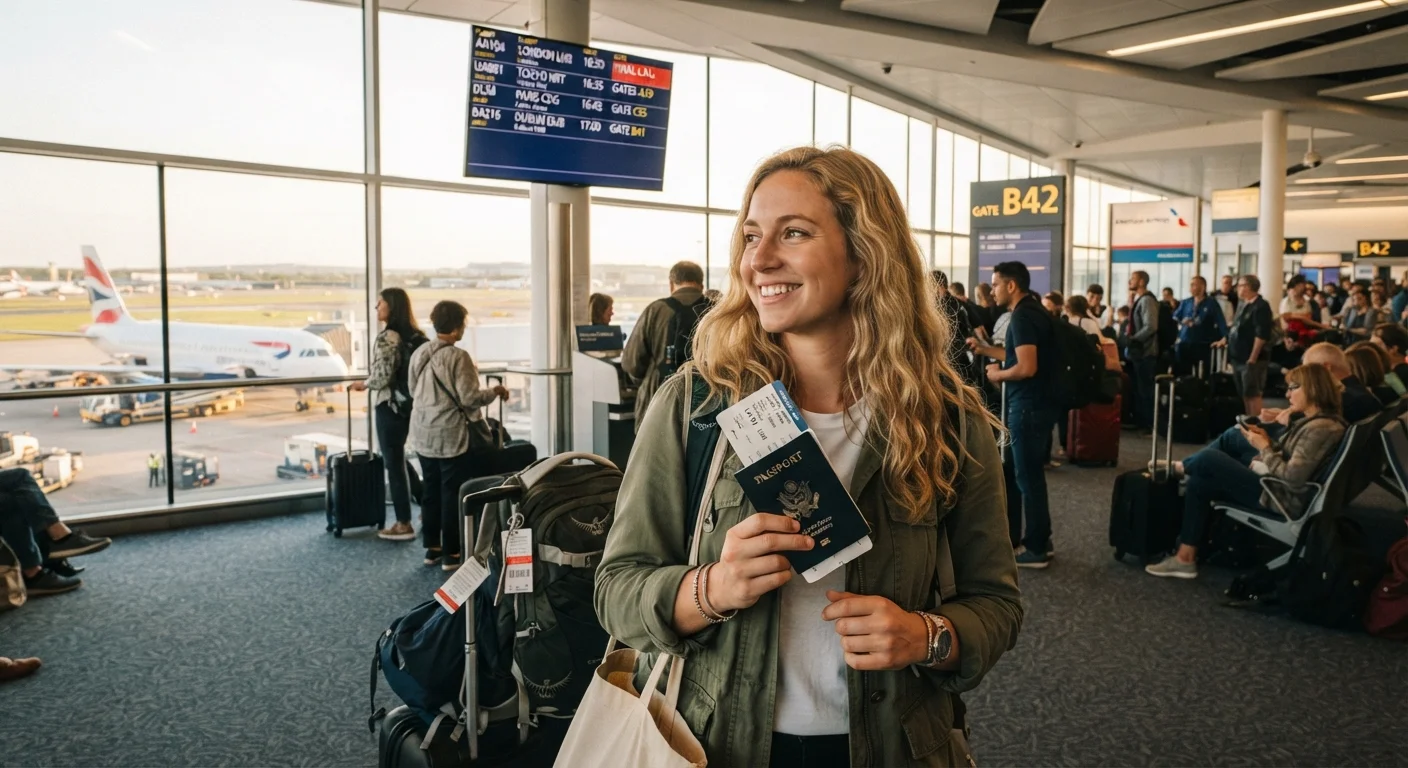
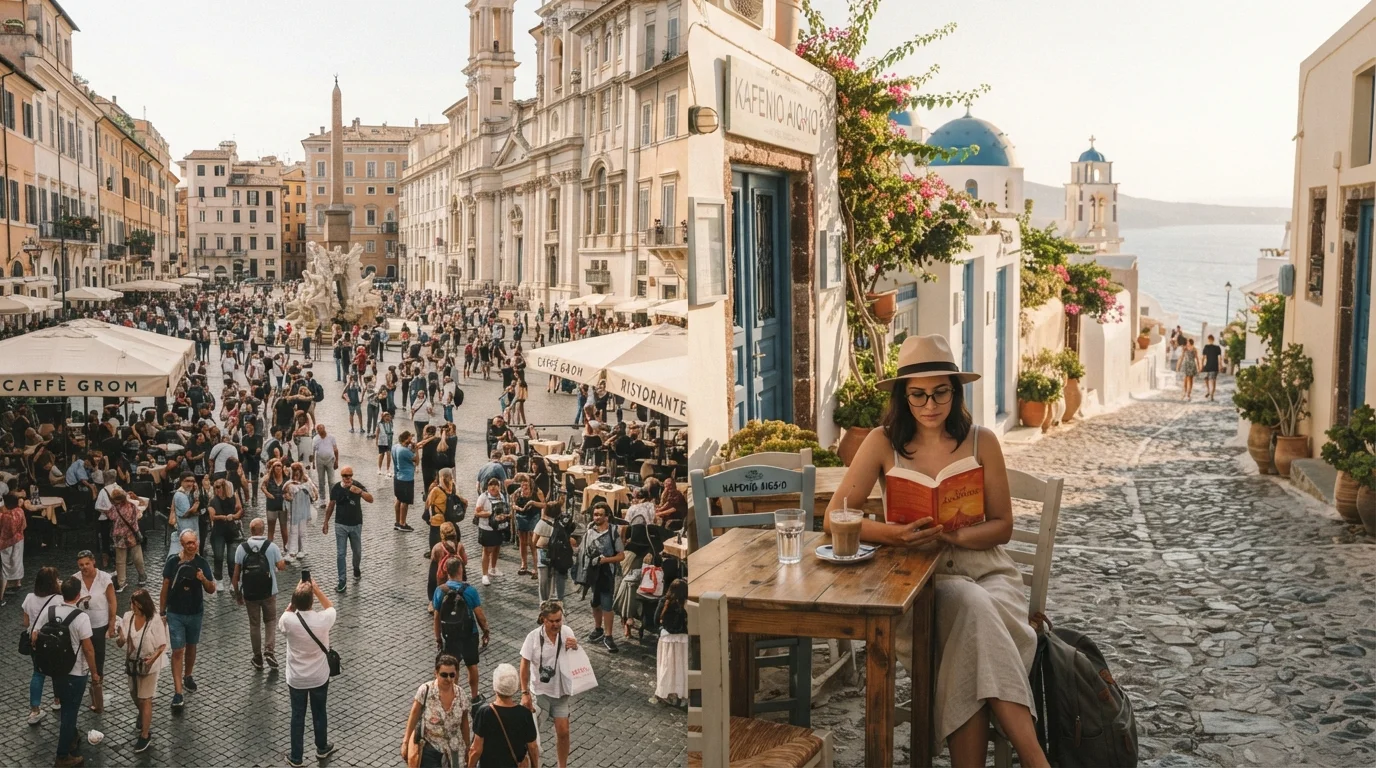
A city break is a short stay, typically two to five nights, in one urban destination before moving on to the next. The format became popular with the rise of low-cost flights within Europe, and many American travelers adopt it to pack several capitals or cultural hubs into a single trip. Think three nights in Lisbon, four in Barcelona, three in Rome.
Slow travel has no single agreed definition, but in practice it means staying in one place for at least one to two weeks, using that base to absorb daily life rather than tick off attractions. The goal is less about covering distance and more about familiarity: learning a neighborhood, going back to the same market, sitting in a square without a plan.
Neither style is inherently superior. The choice depends on how much time you have, what you want to feel at the end of the trip, and how you handle logistical friction. Some booking decisions carry more weight than others, and understanding your travel style before you commit helps avoid regret.
Cost and logistics compared
| Criterion | City break | Slow travel |
|---|---|---|
| Typical stay length | 2 to 5 nights per city | 1 to 4 weeks in one base |
| Daily transport cost | Higher (frequent intercity travel) | Lower (settled in one place) |
| Accommodation type | Hotels or short-stay rentals | Weekly rentals or long-stay apartments |
| Planning intensity | High (multiple bookings needed) | Lower (one main booking) |
| Number of destinations | 3 to 6 cities per trip | 1 to 2 locations per trip |
| Flexibility on the road | Limited (schedule is fixed) | High (day trips decided locally) |
| Cultural depth | Broad but surface-level | Narrower but genuinely immersive |
City breaks involve more frequent transport costs: intercity trains, budget flights, and airport transfers accumulate fast. On the positive side, shorter stays can align with promotional rail fares if booked early. Last-minute planning is harder to pull off when you need multiple bookings to connect.
Slow travel cuts daily overhead. A weekly apartment rental almost always costs less per night than a hotel, and cooking a few meals in a kitchen saves money that would otherwise go to restaurants. Accommodation type shapes the entire cost structure of a trip, so it is worth comparing options before committing to either format.
The experience trade-off
City breaks give you breadth. In two weeks you can stand on Lisbon's tram-lined hills, walk Amsterdam's canal ring, and watch the light change over Prague's old town. That range has real value, particularly for first-time visitors to Europe who want a broad orientation before deciding where to go deeper on a future trip.
The cost of that breadth is surface contact. Two nights in a city is enough to see the major sites and eat one or two good meals; it is not enough to wander without purpose, get comfortably lost, or notice how a neighborhood changes between morning and evening. Many travelers return from multi-city trips feeling well-photographed but not especially rested.
Slow travel trades the highlight reel for something harder to photograph: genuine familiarity. After ten days in a Sicilian town or a Basque city, you learn which bakery opens early, which piazza fills with locals at aperitivo hour, and which walking routes the tourists never find. Understanding a region's geography before you arrive makes this kind of immersion easier to plan for.
Practical planning differences
City breaks require more advance planning. You need accommodation in each city, transport between them, and at least a rough outline of what each stop covers. The itinerary is more rigid because each booking depends on the ones around it.
Slow travel is more forgiving once you arrive. Booking an apartment or rental for one base gives you a fixed anchor, and day trips or side excursions can be decided on the ground. That flexibility suits travelers who find heavy pre-planning exhausting, or who are traveling solo and want room to change course.
A hybrid approach works well for many American travelers with two to three weeks in Europe: one or two city breaks to cover well-known destinations, followed by a slower week in a smaller town or rural area. This format lets you satisfy the urge to see several places while still building in the kind of unscheduled time that usually becomes the most memorable part of a trip.