Check-in: your first stop
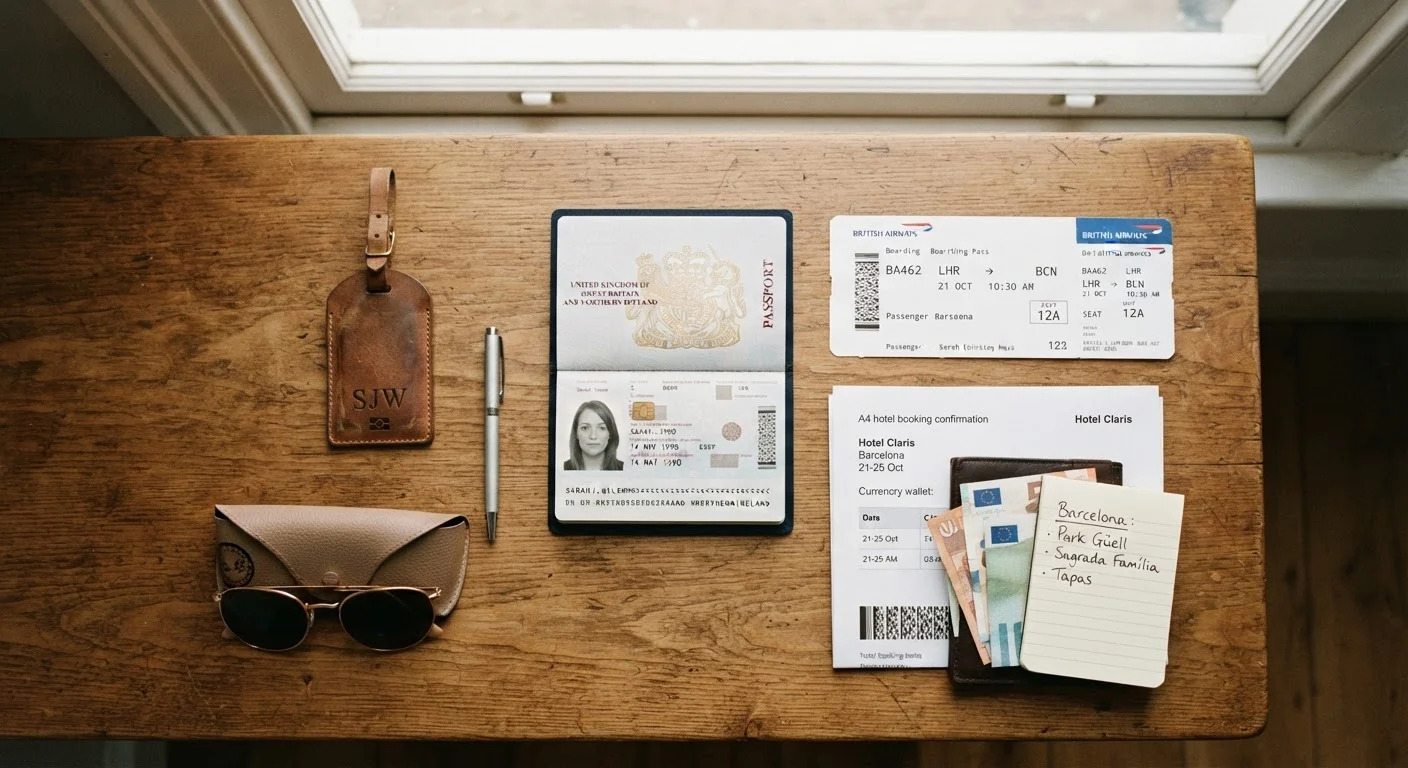
Check-in is where your journey officially begins. Most airlines let you check in online or through their app starting 24 hours before departure. Doing this the night before saves you from standing in a ticket-counter line and lets you pick or confirm your seat. Save your boarding pass to your phone or print it; either works at security and the gate.
If you have checked bags, you will still need to visit a baggage drop counter. Many airports have self-serve kiosks that print bag tags, then a short staffed line just to hand the bags over. This is faster than a full check-in queue. If you need to check in at the counter because of a document verification requirement (common on certain international routes), arrive with extra time.
For first-time international travelers, the practical realities of crossing borders article covers what to expect beyond check-in, including passport control and customs.
Security screening: what to expect
TSA security is the stage travelers find most stressful, mostly because of uncertainty about what to do. The standard process works like this: place carry-on bags, shoes, belts, and jackets in plastic bins; send everything through the X-ray machine; walk through the body scanner. Your ID and boarding pass are checked at the entrance to the security lane before any of this happens.
Liquids follow the 3-1-1 rule: each container must be 3.4 oz (100ml) or less, all containers must fit in one quart-sized clear zip-top bag, and each traveler gets one bag. This bag goes in a bin by itself. Laptops also come out of bags and sit flat in their own bin.
Speed up security with trusted traveler programs
TSA PreCheck and Global Entry are government programs that let approved travelers use faster, lower-friction security lanes. PreCheck covers domestic flights; Global Entry adds expedited customs re-entry for international trips. Enrollment takes a few weeks and requires an in-person appointment, so apply well before your next trip.
TSA PreCheck members skip the laptop-out and shoes-off steps and use a dedicated lane. Global Entry includes PreCheck and also expedites customs re-entry for international trips. Both programs require an application and background check, but they pay off quickly for anyone who flies more than a few times a year.
After clearing the scanner, collect your belongings and double-check your bin before walking away. Forgotten items left at the checkpoint are a common traveler complaint.
Finding your gate and reading the terminal
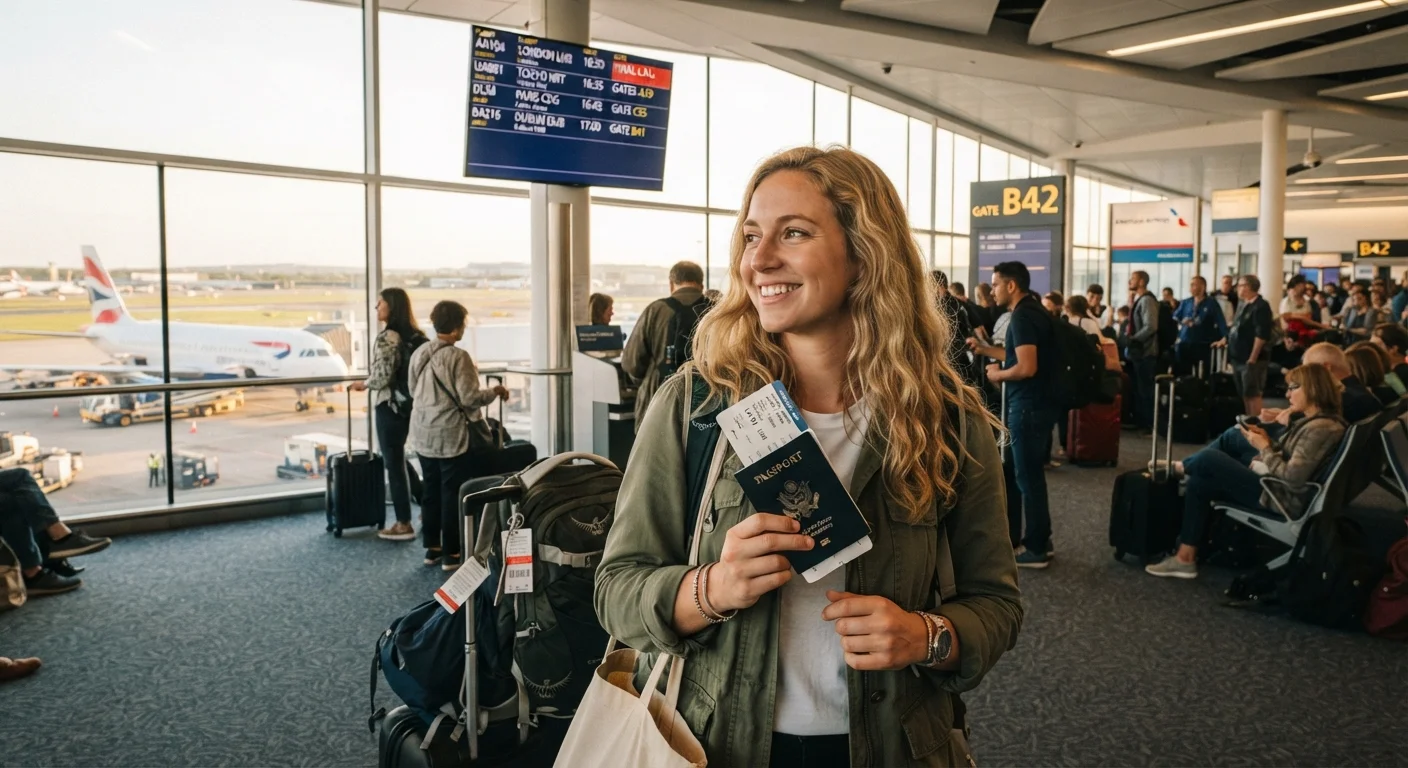
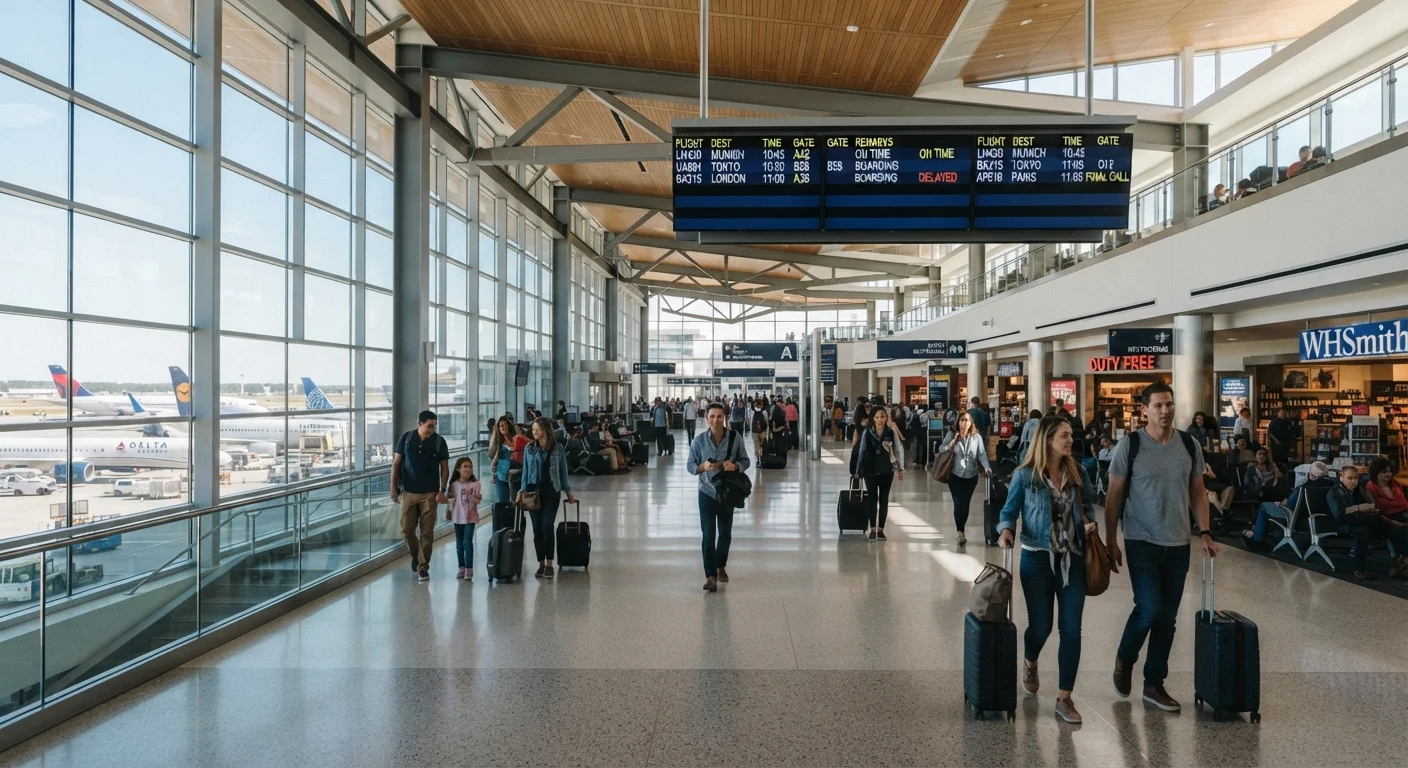
Once through security, look for overhead departure boards. These show your flight number, destination, scheduled departure time, and gate assignment. Gate assignments can change after you clear security, so glance at the boards again when you are about halfway through your wait, not just once when you arrive.
Large airports sometimes have multiple concourses connected by trains or walkways. Signs at the security exit point toward each concourse; follow the letter or number that matches the first character of your gate. If you have a tight connection or a gate far away, walk at a steady pace rather than stopping to shop or eat immediately.
If your trip involves connections or stopovers, the difference between layovers, connections, and stopovers matters for how much time you need between flights.
2 hrs
Recommended arrival time before domestic departure
The TSA and major U.S. airlines consistently advise arriving at least two hours before a domestic flight to allow time for check-in, security, and reaching the gate.
3.4 oz
Maximum liquid container size in carry-on bags
The TSA's 3-1-1 rule limits each individual liquid container to 3.4 oz (100ml); all containers must fit in one quart-sized clear bag per traveler.
10-15 min
Typical gate closure before scheduled departure
Most U.S. carriers close the boarding door 10 to 15 minutes before the listed departure time; passengers not at the gate by then may be denied boarding.
The boarding process, step by step
Airlines typically begin boarding 30 to 45 minutes before departure and close the gate 10 to 15 minutes before the scheduled time. Being at your gate before boarding begins is the only way to guarantee you get on.
Boarding groups or zones are announced over the gate PA system. The order varies by airline but generally follows this pattern: passengers needing extra time or with young children, then first class or business class, then elite frequent flyers, then remaining economy groups by zone number. Listen carefully because the gate agent will not hold the flight for a passenger who wandered away.
Have your boarding pass and ID ready before you step into the boarding line. The gate scanner reads the barcode on your pass; the agent checks your ID for matching name and destination. Once past the scanner, follow the jet bridge to the aircraft door, where a flight attendant will point you toward your seat.
If the overhead bins near your seat are full, a flight attendant will gate-check your carry-on at no charge on most U.S. carriers. The bag goes in the cargo hold and is returned to you at the jet bridge after landing. If your flight is delayed or disrupted, the guide to passenger rights during delays and cancellations explains what airlines are and are not required to provide.