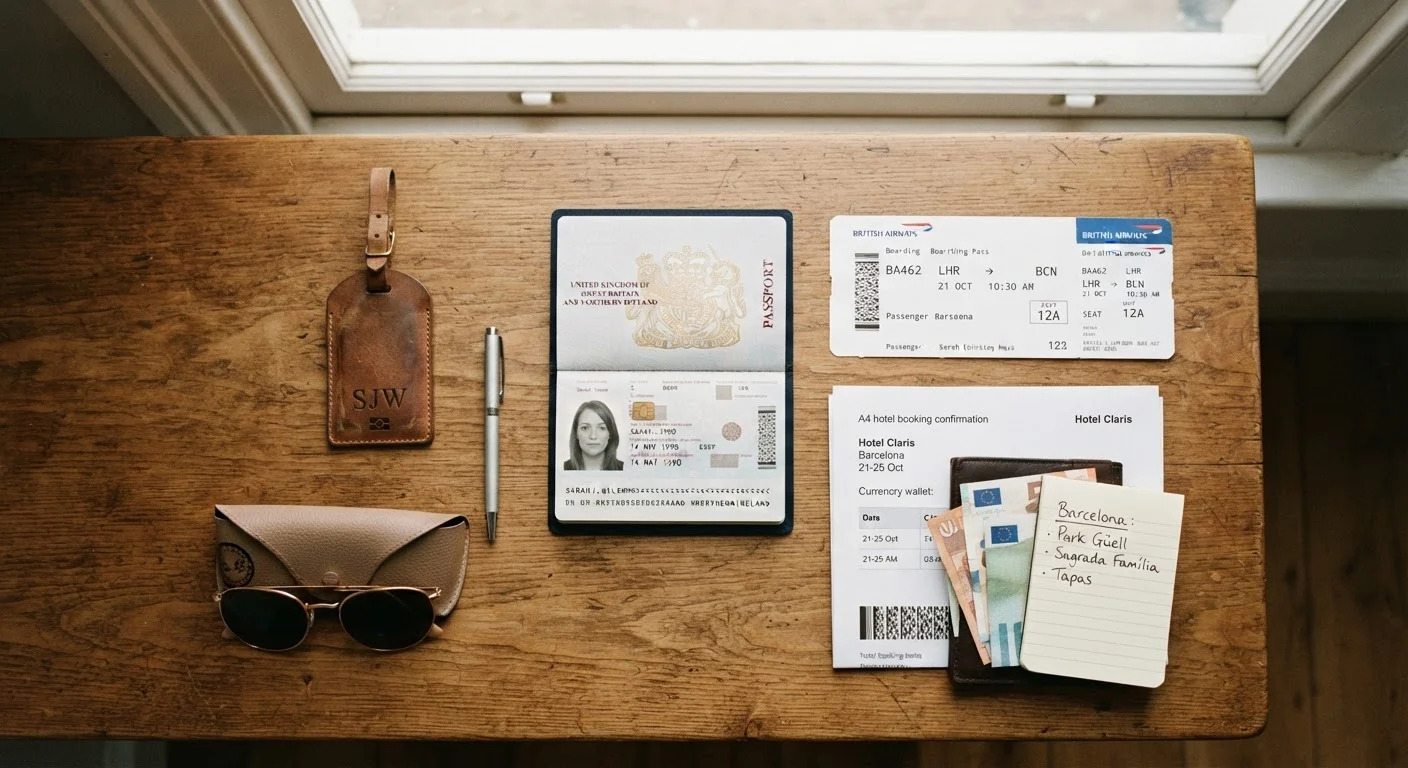
Your passport is not just ID
A passport opens doors, but the fine print matters more than most first-timers realize. Many countries will deny boarding or entry if your passport expires within six months of your travel date, even if it is technically still valid. Check the expiration date well before you book, because passport renewals through the U.S. State Department can take several weeks during busy periods.
Some destinations also require at least one or two blank visa pages. If your passport is nearly full of old stamps, that can create problems at the border. Request a new passport before the old one is completely filled, not after.
Visas are separate from your passport and need their own research. The State Department's travel website and the embassy of your destination country are the authoritative sources. Third-party sites can be useful for general context, but always verify requirements through official channels before you apply or book flights. For a broader overview of the planning process, see this step-by-step international planning guide.
Money abroad works differently than you expect
Airport currency exchange windows exist primarily for travelers who have not planned ahead. The rates they offer are rarely favorable, and the fees can be significant. A better approach: notify your bank of your travel dates, then withdraw local currency from an ATM after you land. Many banks reimburse foreign ATM fees, so it is worth checking your account terms before you leave.
Credit cards with no foreign transaction fees are useful for larger purchases, but not every business abroad accepts cards. Markets, small restaurants, and transit systems in many countries are still cash-only. Carry a mix of both.
Always choose local currency at card terminals
When a payment terminal abroad asks whether to charge in U.S. dollars or the local currency, select the local currency every time. The dollar option routes through the merchant's exchange system, which typically applies a less favorable rate than your own bank or card network would use. This simple choice can save you a noticeable amount over a week of purchases.
One trap worth knowing about: dynamic currency conversion. When a card terminal asks whether you want to pay in U.S. dollars or the local currency, choose the local currency. Paying in dollars through that system typically applies a poor exchange rate set by the merchant, not your bank.
Overspending abroad often follows patterns that are easy to break once you recognize them. This breakdown of common spending habits can help you budget more accurately before you go.
Arriving in a new country: what actually happens
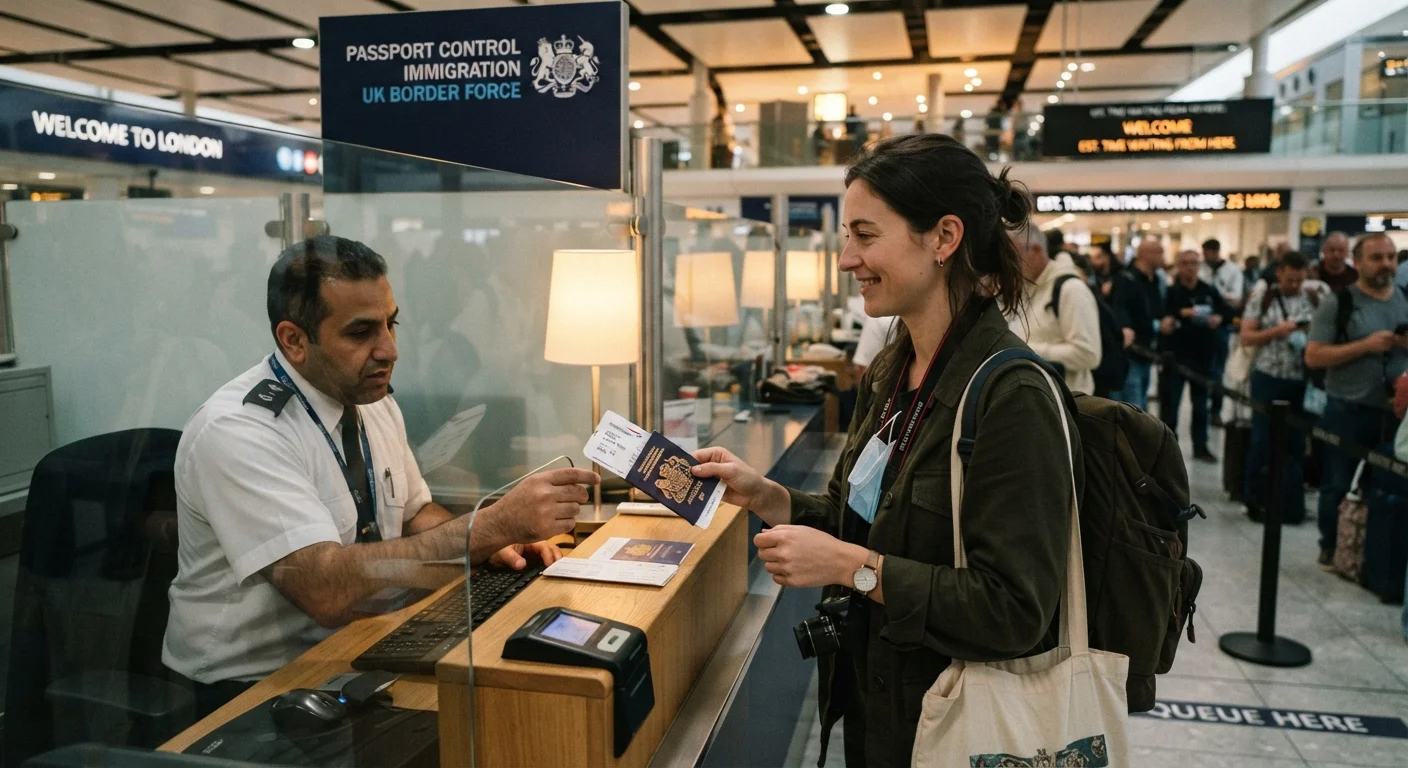
After a long international flight, most travelers expect to walk off the plane and head to their hotel. What actually happens is: immigration line, baggage claim, customs declaration, possibly another queue. Budget 60 to 90 minutes for this process at busy airports, and do not schedule anything time-sensitive for your first afternoon.
At immigration, an officer will stamp your passport and may ask basic questions about your purpose of travel and where you are staying. Have your accommodation address written down or easily accessible on your phone. A hotel confirmation printout works fine; a vague answer about a friend's place can slow things down.
Customs forms, whether paper or digital, ask you to declare items you are bringing in. Declaring something does not automatically mean a penalty; failing to declare something that should have been listed can. When in doubt, declare it. Rules vary by country, so check the customs regulations of your specific destination before you pack.
If you want to understand what happens at the airport before you even board, this plain-language airport guide covers the full process from check-in to gate.
Staying connected and getting around
Your U.S. phone number will work in most countries, but standard roaming charges can add up quickly. Before you leave, contact your carrier to ask about international day passes or short-term plans. Alternatively, purchase a local SIM card at the destination airport or buy an eSIM online before you travel. An eSIM installs digitally and does not require swapping physical cards.
Navigation is far easier with data. Download offline maps for your destination through an app like Google Maps before you board, so you have a backup even without a signal.
Public transportation in many international cities is extensive, affordable, and well-signed. Figuring it out takes a little patience on day one, but it is genuinely manageable. This guide to navigating transit in unfamiliar cities walks through the practical strategies that make it less intimidating.
Health, safety, and the paperwork nobody mentions
U.S. health insurance, including most employer plans and Medicare, provides limited or no coverage outside the country. Before you travel internationally, look into a separate travel insurance policy that covers medical expenses and emergency medical evacuation. Evacuation coverage matters because medical transport back to the U.S. from a remote location can cost tens of thousands of dollars without it. This is general information, not a specific product recommendation; speak with an insurance professional to find a policy suited to your situation.
Some destinations recommend or require vaccinations. The Centers for Disease Control and Prevention (CDC) publishes destination-specific health guidance for U.S. travelers, and a travel medicine clinic can advise you based on your itinerary and personal health history. Consult a qualified healthcare professional before making any decisions about vaccines or medications.
On safety: awareness goes further than anxiety. This practical safety guide covers evidence-based habits that reduce risk without making your trip feel stressful.
Finally, register your trip with the U.S. State Department's Smart Traveler Enrollment Program (STEP) at travel.state.gov. It takes about five minutes, and it allows the nearest U.S. embassy to reach you in a genuine emergency. It is one of the simplest precautions available to any American traveling abroad.