
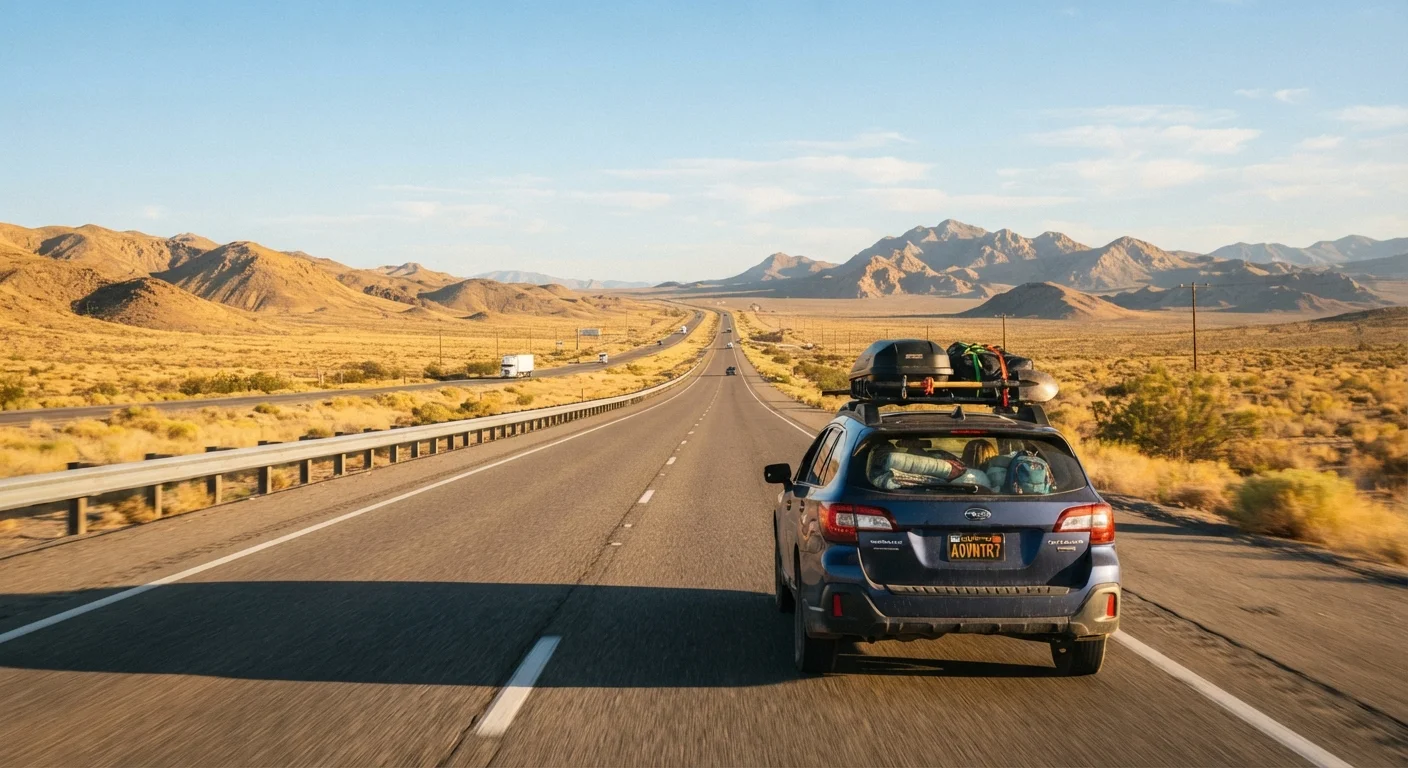
Why planning ahead makes road trips better
Road trips are one of the most flexible forms of travel, but that flexibility has limits. Fuel costs, lodging availability, and driving distances all require real numbers before you leave, not rough guesses made at the last minute. A trip that looks manageable on a map can turn into an exhausting grind if daily mileage is too high, or fall apart if you arrive in a small town with no vacancy. See the trip planning hub for guides covering every stage of domestic and international travel.
The steps below cover the core planning tasks in the order they make most sense to tackle. For a useful contrast, last-minute trip planning explains which logistics are forgiving on short timelines and which are not.
What you will need
What you need before you start
Before working through the steps, gather the tools below. Some are physical items to pack; others are apps or documents to sort out ahead of departure. Having them ready before you begin planning will save time and prevent gaps later.
Offline maps app
Provides turn-by-turn navigation in areas with weak or no cell signal.
Paper or printed map
Serves as a backup when digital devices fail or run out of battery.
Roadside emergency kit
Covers basic breakdowns: jumper cables, a flashlight, reflective triangles, and a first-aid kit.
Tire pressure gauge
Lets you check tire pressure before departure and at fuel stops on long drives.
Portable phone charger
Keeps navigation and communication devices charged during long driving stretches.
Step-by-step road trip planning
Work through each step in order. Steps 1 through 3 are planning tasks you complete at home. Steps 4 through 6 involve preparation that should be done at least several days before your departure date.
Choose your route and set realistic daily mileage
Pick a destination and work backward. Decide how many days you have, then divide the total distance into daily driving segments. A common guideline is 300 to 400 miles per day, though your comfort level, road type, and number of stops will shift that number. Note which highways are toll roads, which pass through mountain terrain, and where fuel stations are sparse. Use a mapping tool to identify at least two alternate routes in case of closures or construction. If your trip includes a national park, see the national park trip planning guide for permit and access specifics.
Check your vehicle before you leave
A pre-trip vehicle inspection takes less than an hour and can prevent a breakdown that ruins a weekend. Check tire pressure and tread depth, top off fluids (oil, coolant, windshield washer), and confirm your spare tire is inflated and accessible. Test headlights, brake lights, and turn signals. If your last oil change was more than 4,000 miles ago or your service interval is approaching, schedule it before departure. For a full checklist of what to inspect, the car maintenance hub covers each item in detail. If you find a problem you are not comfortable addressing yourself, take the vehicle to a qualified mechanic.
Build a realistic budget
Break your budget into four categories: fuel, lodging, food, and a contingency fund. For fuel, divide the total trip miles by your vehicle's average highway MPG, then multiply by the current average price per gallon in the regions you will drive through (state gas price averages are published by the U.S. Energy Information Administration). Budget lodging per night rather than as a lump sum so you can adjust room type or location if costs run high. Food costs vary widely depending on whether you cook at campsites, eat at diners, or mix both. Set aside at least 10 to 15 percent of your total budget as a contingency for tolls, parking, unexpected repairs, or a spontaneous detour.
Book overnight stays in advance
For summer travel, holiday weekends, and any stop near a popular destination, book accommodations at least two to four weeks ahead. Campgrounds at national parks and state parks often require reservations months in advance. For more flexible trips, aim to confirm lodging by mid-afternoon each day so you are not scrambling after dark. If you plan to camp, check whether sites require a permit, have a fire ban in effect, or have a maximum vehicle length. Motels along major U.S. highways are generally available without advance booking outside peak periods, but availability drops sharply in small towns with limited options.
Prepare your devices and documents
Download offline maps for every region you will drive through before you leave home. Cell coverage on rural stretches of the American West, parts of the South, and remote mountain passes is unreliable. Carry your vehicle registration, proof of insurance, and driver's license in an accessible spot. If you are crossing into Canada or Mexico, you will need a valid U.S. passport. For a full device prep checklist covering offline maps, roaming settings, and charging gear, see preparing your devices before you travel. Keep digital copies of your reservations in a cloud folder you can access without data.
Pack smart and distribute weight evenly
Place heavier items low and toward the center of the cargo area to keep the vehicle's handling stable. Pack a cooler with easy-access snacks and drinks to reduce gas station stops. Bring layers regardless of season: desert nights, mountain passes, and coastal breezes all change conditions quickly. Keep a bag for each person's daily essentials in a spot they can reach without unpacking the trunk. If you are traveling with others, the group travel planning guide has practical advice on dividing packing responsibilities and managing shared expectations.
Common problems and how to avoid them
Most road trip problems fall into three categories: vehicle trouble, navigation failures, and budget surprises. Addressing each before departure reduces the chance of a serious disruption.
Vehicle trouble is the most disruptive because it is hardest to fix on the road. Skipping the pre-trip inspection is the single most common cause. Tires and oil account for the majority of preventable breakdowns, so give both extra attention. Save the number for your roadside assistance provider or auto club in your phone before you leave.
Navigation failures happen most often in areas with no cell service. An offline map downloaded the night before departure takes minutes and solves the problem entirely. A printed backup is a reasonable second layer for routes through remote regions.
Budget surprises most often come from underestimating fuel costs on long segments or from unexpected tolls on eastern U.S. interstates. Running the fuel math before you leave and noting toll roads on your route will give you a realistic spend figure. If your road trip connects to international travel plans, international trip planning covers the broader preparation that comes before and after the drive.
Keep a running trip log
Note your odometer reading, fuel fill-ups, and daily spending in a notes app or a small notebook as you go. This takes about two minutes per stop and gives you an accurate record for post-trip budgeting. It also makes it easy to spot if fuel economy drops suddenly, which can signal a tire or mechanical issue worth checking.