Passports and travel documents
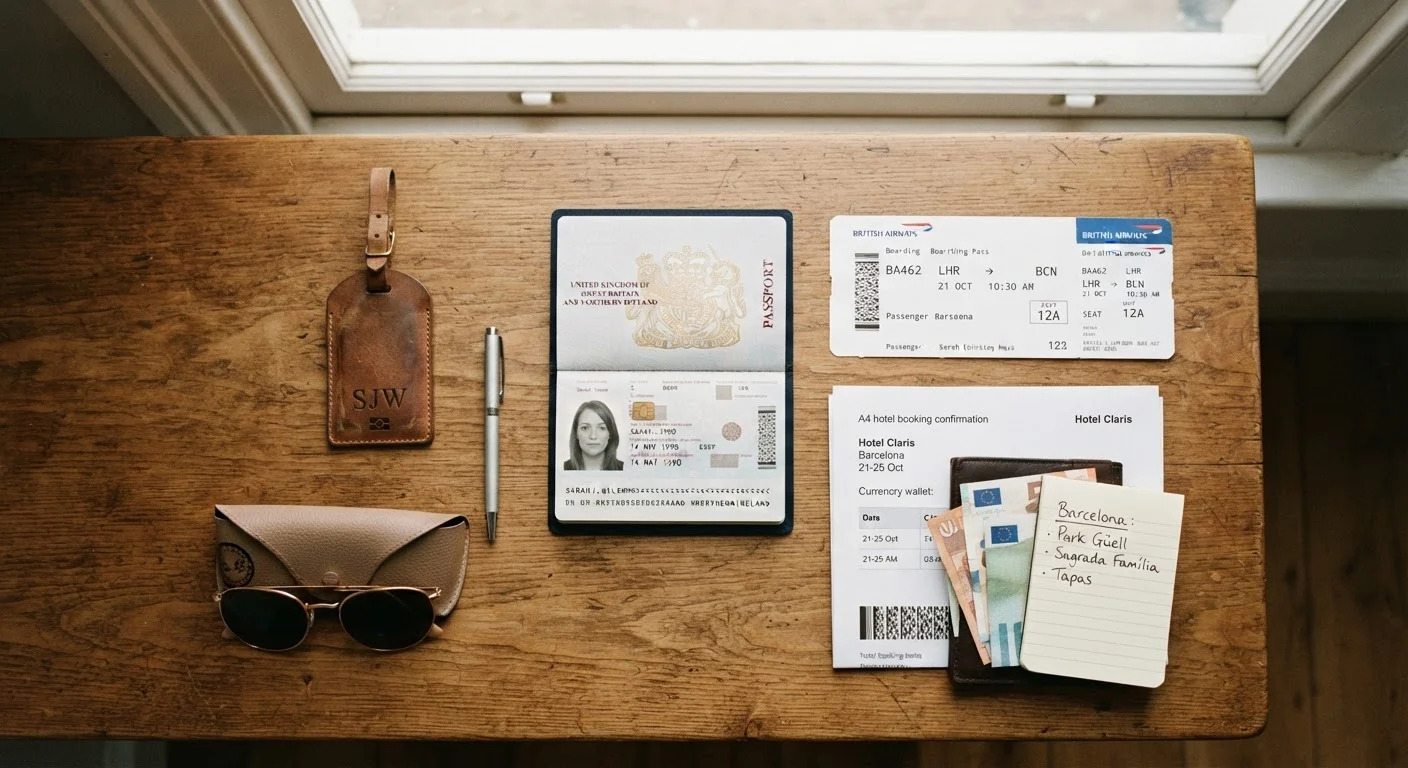
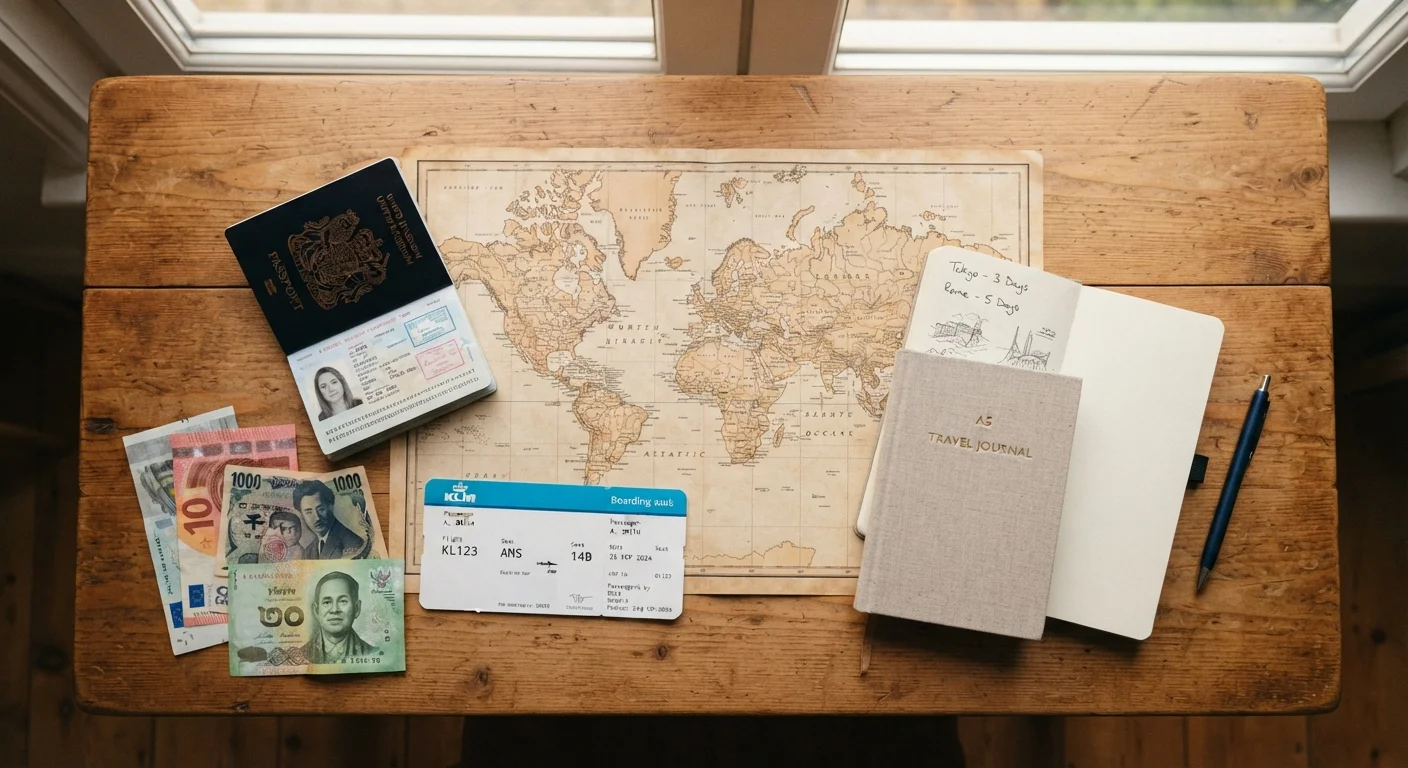
Your passport is the one document that unlocks international travel, so address it first. U.S. passports are valid for ten years for adults and five years for minors. Many countries require at least six months of remaining validity beyond your travel dates, and some require two to four blank visa pages. Check the entry requirements for your specific destination before assuming your current passport will work.
If you need a new passport or a renewal, apply through the U.S. Department of State. Routine processing times vary and can run several weeks or longer during busy periods. Expedited processing is available for an additional fee, and passport agencies handle urgent travel with an appointment. Build passport lead time into your planning calendar before you book flights.
Bring photocopies of your passport's photo page and store them separately from the original. A digital copy in a secure cloud account adds another layer of backup. If your passport is lost or stolen abroad, these copies speed up the replacement process at the nearest U.S. embassy or consulate.
Check the six-month validity rule early
Many countries, including popular destinations in Europe, Asia, and Central America, require your passport to be valid for at least six months beyond your return date. Check this rule for every country on your itinerary, not just your primary destination. If your passport expires within a year, renewing before you book saves hassle and potential denial at the border.
Visas: what you need and how to get them
A visa is a country's permission for you to enter, and requirements differ widely by destination, purpose of travel, and length of stay. Americans travel visa-free to many countries under bilateral agreements, but others require advance applications, fees, and supporting documents such as proof of onward travel or accommodation bookings.
The U.S. Department of State's travel website and the destination country's official embassy website are the two most reliable sources for current visa rules. Third-party visa services exist, but always cross-check their information against official government pages, since rules change and errors carry consequences at the border.
Some countries issue visas on arrival at the airport; others require electronic travel authorizations (ETAs) obtained online before departure. Processing windows for advance visas can range from a few days to several months for certain destinations. Apply as early as possible, and do not book nonrefundable travel until you have confirmed visa eligibility.
Always verify entry requirements with the destination country's official embassy or consulate and the U.S. State Department before making any travel commitments, as rules can change without notice.
Booking flights and accommodations
Once documents are sorted, you can book with confidence. International flights generally get cheaper when booked several months in advance for peak travel seasons, though fare patterns shift. Flexible date searches help identify lower-cost windows around your preferred travel period.
When comparing flight options, factor in total travel time, number of connections, and baggage fees alongside base fare. A longer layover in an unfamiliar hub can be stressful if your connecting time is tight, especially at airports where immigration and security are required between flights. Leave generous connection time on international itineraries.
For accommodations, hotels, vacation rentals, hostels, and guesthouses all serve different budgets and travel styles. Read recent reviews focused on location, cleanliness, and staff responsiveness rather than amenity lists. Confirm cancellation policies before you pay, since international plans sometimes shift due to visa delays or itinerary changes.
If you are traveling with others, coordinating logistics early prevents frustration when booking decisions multiply. For purely domestic comparison, road trip planning works through a very different set of considerations.
Money, health, and safety prep
Notify your bank and credit card issuers of your travel dates and destination before you leave. Without notification, foreign transactions can trigger fraud holds that freeze your card at the worst moment. Carry at least two payment methods, ideally from different networks, and keep some local currency on hand for small vendors, transit, and situations where cards are not accepted.
ATMs at destination airports are often a straightforward way to get local currency, but fees vary by bank and network. Research your bank's international ATM policy ahead of time. Avoid currency exchange counters in tourist areas, which typically offer poor rates.
Health preparation depends on your destination. Some countries recommend or require specific vaccinations, and travelers to certain regions should consult a travel medicine clinic or their doctor at least four to six weeks before departure. Confirm what your health insurance covers abroad, and consider travel insurance that includes medical evacuation coverage for destinations where local emergency care is limited.
Register your trip with the U.S. State Department's Smart Traveler Enrollment Program (STEP) at travel.state.gov. It is free, takes minutes, and allows the nearest embassy to contact you in an emergency or during a natural disaster. Check the State Department's travel advisories for your destination as part of your standard planning.
This article provides general travel information and is not a substitute for professional medical or legal advice. Consult a qualified healthcare provider for personalized health guidance before international travel.
Packing and on-the-ground readiness
Packing for an international trip requires more foresight than domestic travel. Voltage standards and plug types differ by country; a universal adapter and a voltage converter for sensitive electronics prevent damaged devices. Check luggage weight limits for each flight segment, since international carriers and regional connectors can have different allowances.
Download offline maps for your destination before you board. Mobile data abroad is available through international plans, local SIM cards, or portable Wi-Fi devices, but none are guaranteed to work the moment you land. Our device prep checklist covers roaming settings, backup access, and charging essentials in detail.
Carry essential medications in their original labeled containers in your carry-on bag. A basic first-aid kit, copies of key documents, and a list of emergency contacts round out your carry-on essentials. Note the address of the nearest U.S. embassy or consulate at your destination.
For broader destination ideas, the destinations hub covers both U.S. and international options worth considering. If this is your first time crossing a border, what nobody thinks to tell first-time international travelers addresses the practical realities that guidebooks tend to skip. The Travel Tips hub has additional guidance on staying safe and comfortable on any trip.