Why pressure washing can go wrong fast
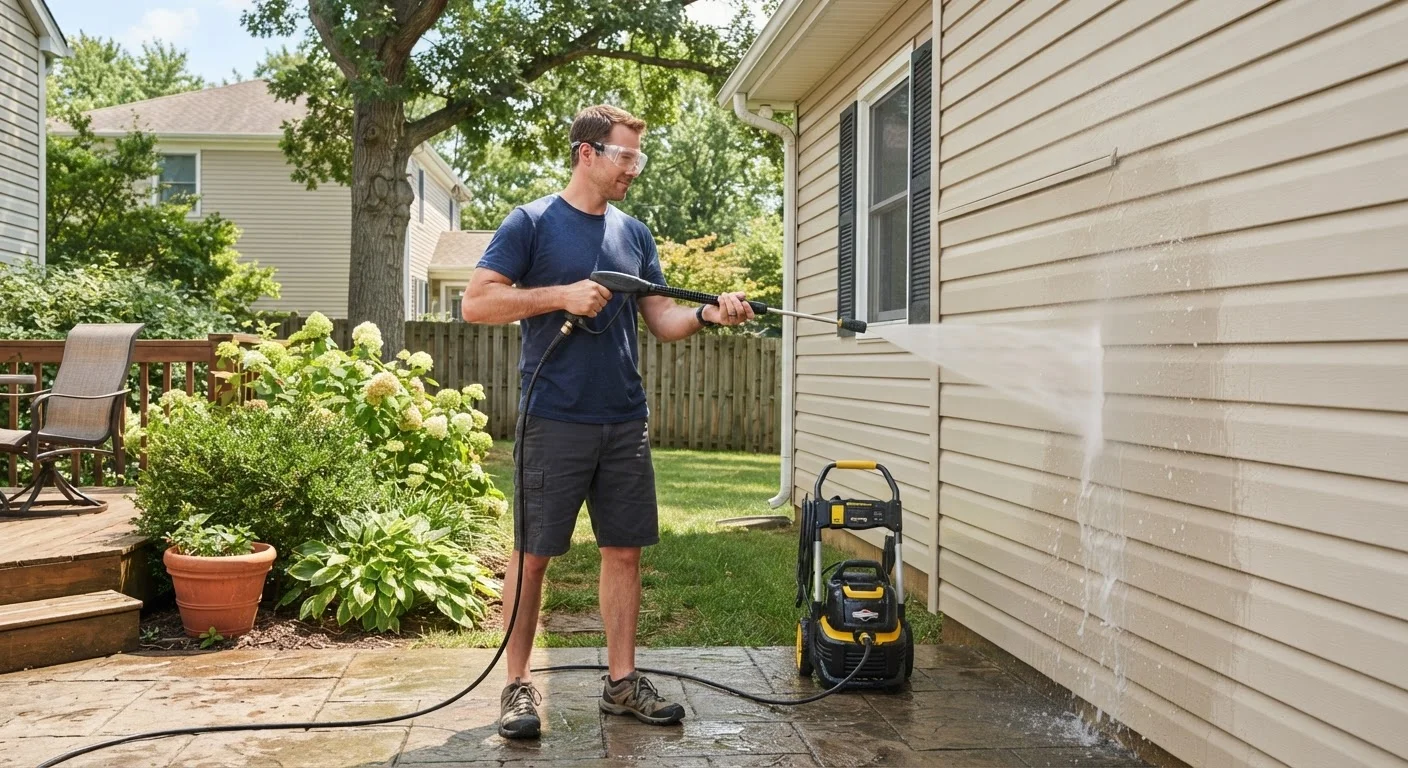
A pressure washer can clean years of grime off a driveway or siding in a fraction of the time scrubbing takes. That speed is exactly why mistakes happen. Homeowners often treat the tool like a garden hose, pointing it wherever looks dirty without adjusting pressure or angle for the surface at hand.
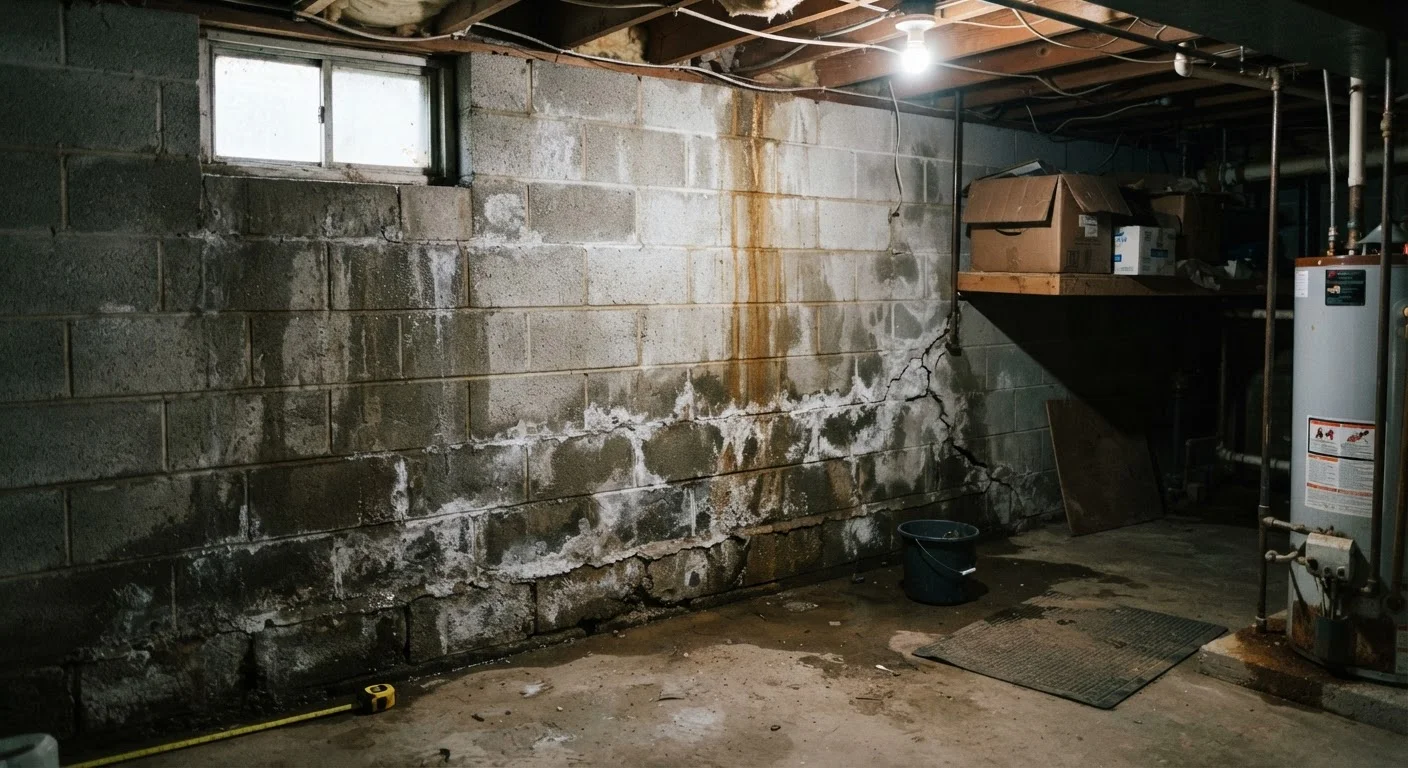
Water forced at high velocity into small gaps around windows, trim, or siding seams does not just wash the surface. It can migrate into wall cavities, saturate insulation, and create the moisture conditions that lead to mold or wood rot. A related concern is stripping paint or etching soft materials, damage that is often not visible until it dries. Understanding the common errors before you start is the most practical protection you have.
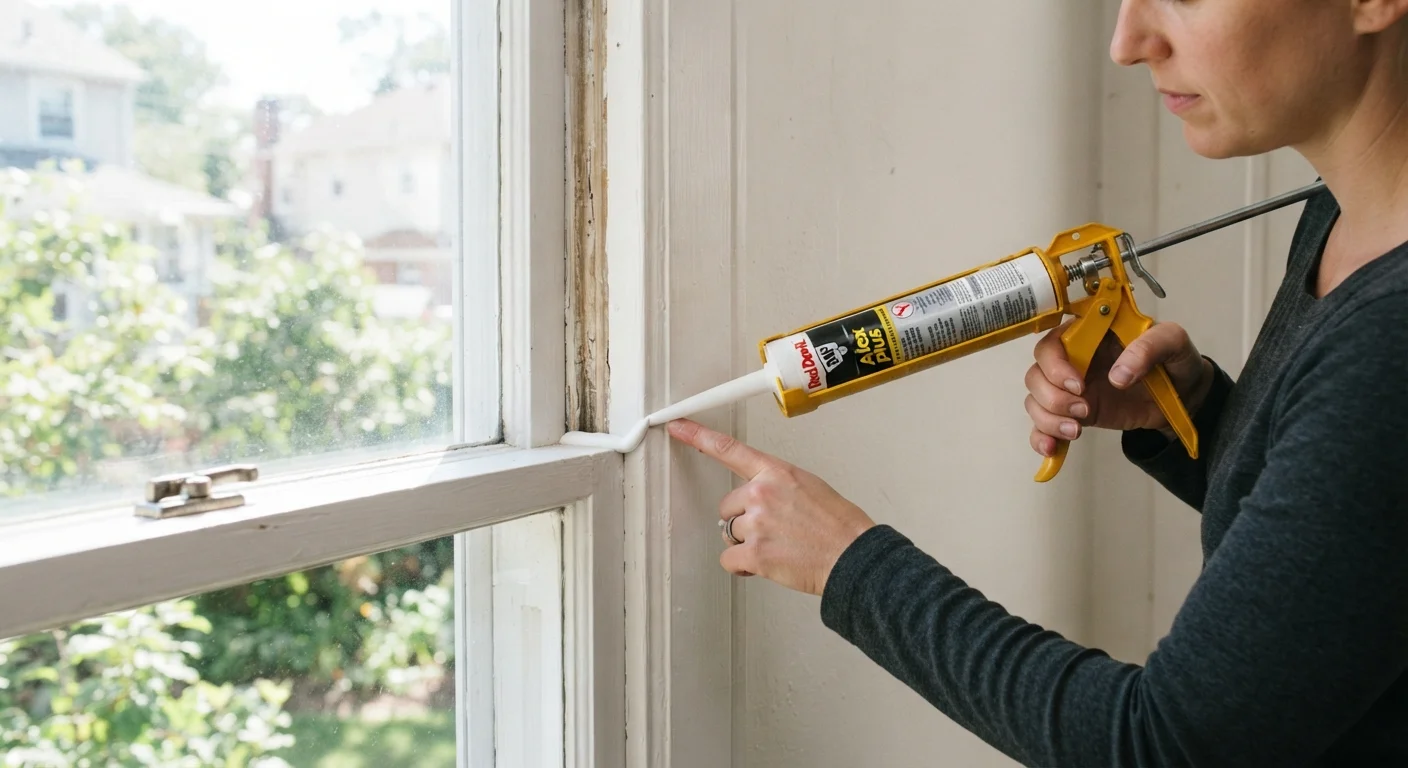
If a previous wash left gaps in your caulking or weatherstripping, address those before the next session. See our guide to caulking and sealing for what to check around windows and door frames.
Using too much pressure on soft or older surfaces.
Why it happens: Many homeowners set the pressure washer to a high setting by default, assuming more pressure means faster or better cleaning.
Spraying water upward or at a steep angle into siding gaps.
Why it happens: Dirt tends to accumulate at joints and under the bottom edges of siding, so it feels natural to angle the nozzle upward to hit those spots.
Holding the nozzle too close to the surface.
Why it happens: Standing close seems efficient, but pressure at short range is far more concentrated than the PSI rating alone suggests.
Skipping pre-treatment of heavily soiled or mildewed surfaces.
Why it happens: Homeowners expect the water pressure alone to remove organic growth like algae or mildew, but water pressure mostly moves debris rather than killing biological growth.
Washing windows directly with the pressure washer.
Why it happens: Windows are part of the exterior and appear to need the same cleaning, so it feels logical to sweep the wand across them.
Surface-by-surface pressure guidelines
Different exterior materials tolerate very different water pressures. Concrete driveways and sidewalks generally handle 2,500 to 3,000 PSI (pounds per square inch) without issue. Brick and stone can take similar pressure, but the mortar between them is softer and degrades faster, so staying below 1,500 PSI on older masonry is a reasonable precaution.
Vinyl siding is more forgiving than wood but still warps or cracks if pressure is too high or the nozzle gets too close. A range of 1,200 to 1,500 PSI at a distance of at least 12 inches works for most vinyl. Wood siding, decks, and fences are the most vulnerable. Many professionals keep pressure under 500 to 600 PSI on bare or painted wood to avoid raising the wood grain or blasting away finish. Stucco and EIFS (exterior insulation and finish systems) are particularly fragile: high pressure can crack or dislodge the surface coating entirely.
Never pressure wash these surfaces
Avoid directing a pressure washer at electrical panels, meters, or any outdoor wiring, even briefly. Do not use a pressure washer on asphalt shingles: the force strips protective granules and shortens roof life considerably. EIFS (synthetic stucco) systems require specialized low-pressure cleaning; standard pressure washer settings can crack or delaminate the surface coating. When in doubt about a material, consult a professional rather than risk costly repairs.
Painted surfaces deserve their own note. If the paint is in good condition, moderate pressure cleans without stripping. If the paint is already peeling or chalking, pressure washing will accelerate the damage. Inspect the surface first and plan to repaint if needed before or after the wash.
Budgeting for exterior maintenance, including equipment rental and potential repairs, is easier when you know which tasks to prioritize. Our home maintenance budget guide can help you plan.
Preparing to wash safely
Preparation cuts the chance of damage significantly. Wet any plants, shrubs, or flower beds near the work area before starting: the detergents used in pressure washing can burn foliage if they sit on leaves. Rinse plants again after the wash is complete.
Cover exterior electrical outlets and light fixtures with plastic sheeting secured with tape. Water and electricity are a serious hazard, and outdoor fixtures are rarely fully watertight. Close all windows and doors, and check that siding is not already loose or cracked: pressure can rip free anything that is not properly fastened.
Choose the right nozzle for the job. The color-coded tip system most washers use indicates the spray angle. A 40-degree (white) tip produces a wide, gentle fan suitable for most siding. A 25-degree (green) tip works for concrete. A 0-degree (red) tip concentrates pressure into a tiny point that can gouge wood or cut into softer materials: avoid it on house surfaces entirely. Always start farther away from the surface than you think necessary and move closer only if the cleaning is insufficient.