Where basement moisture comes from
Basement moisture has three distinct origins, and correctly identifying which one you have determines what will actually fix it.
Exterior water infiltration occurs when rainwater or snowmelt saturates the soil around your foundation and pushes through cracks, gaps around pipes, or porous block walls. This type often shows up as wet spots or actual seepage during or after heavy rain. Poor grading (ground that slopes toward the house rather than away from it) and clogged or short gutters make this worse.
Groundwater pressure, sometimes called hydrostatic pressure, happens when the water table rises and pushes water up through the floor slab or through foundation walls at their base. This is more common in low-lying areas and during prolonged wet seasons. Water appearing in the same spots regardless of recent rainfall can point to this source.
Interior condensation forms when warm, humid air from above-grade living spaces or from summer outdoor air enters the cooler basement and meets cold surfaces like pipes, walls, and floors. The moisture in that air condenses into liquid water. Running a dehumidifier and improving air sealing upstairs can help significantly with this type.
A simple test to distinguish infiltration from condensation: tape a piece of plastic sheeting to a damp wall section and seal its edges with tape. Leave it for 24 hours. If moisture forms on the room side of the plastic, the source is interior condensation. If moisture forms on the wall side (behind the plastic), water is coming through the wall itself.
What moisture damage looks like over time
Moisture rarely announces itself dramatically. It tends to work quietly over months or years before visible damage appears.
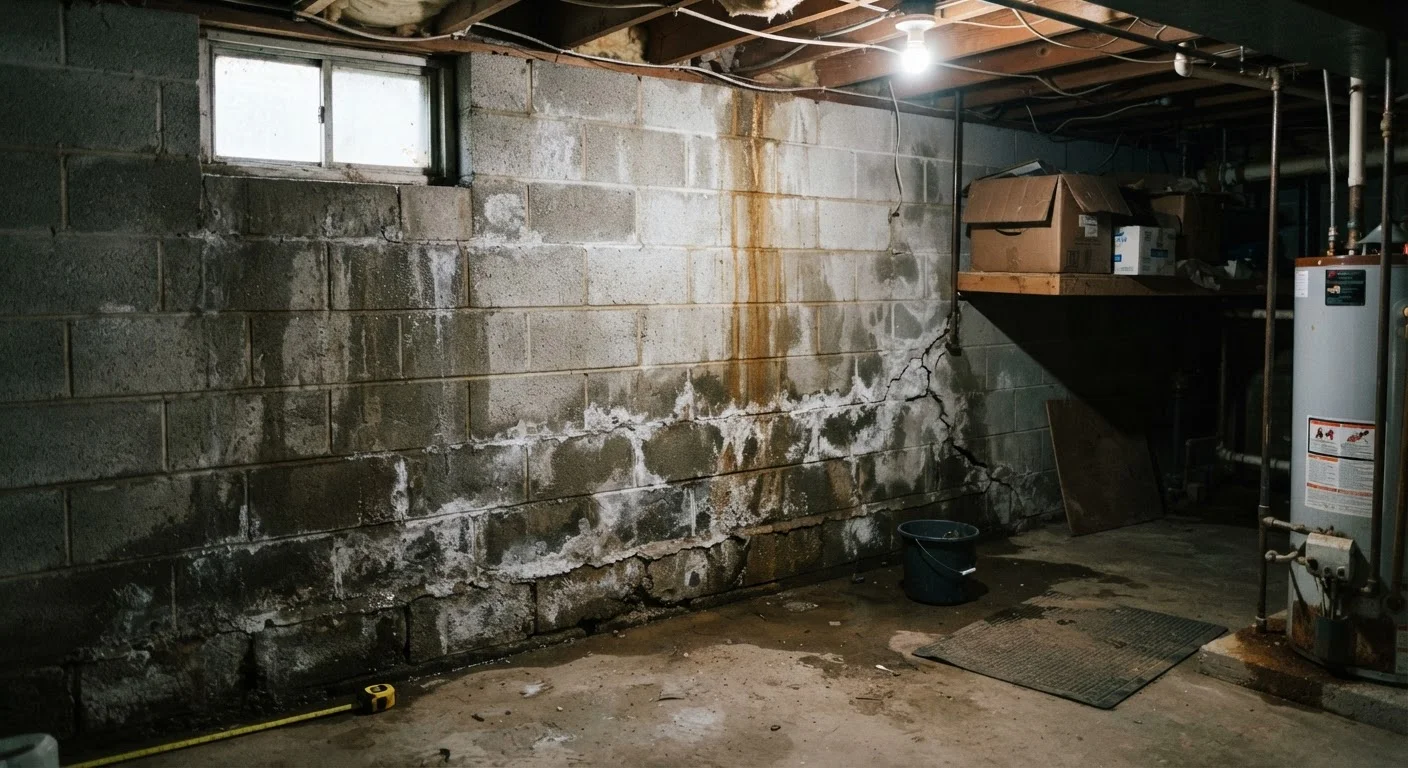
Early signs include a persistent musty smell (caused by mold and mildew beginning to colonize damp surfaces), efflorescence on masonry walls, and rust stains beneath floor joists or on metal fasteners. Paint bubbles and peels away from walls that experience repeated wetting and drying cycles.
Over time, untreated moisture causes wood framing to rot, weakens mortar joints in block foundations, and corrodes steel reinforcing bars inside poured concrete. Mold can spread to floor joists, subfloor sheathing, and insulation, reducing air quality throughout the entire home. Finished basements with wet conditions hidden behind drywall are especially vulnerable because damage goes unseen until it is extensive.
Test before you treat
Before spending money on waterproofing products, confirm whether your moisture problem is condensation or true infiltration. The plastic sheet test described above costs nothing and prevents misdiagnosis. Interior sealants applied over active infiltration rarely hold for long and can mask a worsening condition.
If you plan to finish your basement, the Basement Finishing 101 guide covers the moisture-control steps you need to complete before framing begins.
Exterior controls: stopping water before it reaches the foundation
The most cost-effective moisture controls work outside the house, before water reaches the foundation.
Grading: The ground around your home should slope away from the foundation at a rate of roughly 6 inches of drop over the first 10 feet. If your yard has settled toward the house, adding and grading topsoil is a straightforward fix that can dramatically reduce infiltration.
Gutters and downspouts: Gutters direct roof runoff away from the foundation. Clean them at least twice a year and check that downspout extensions deposit water at least 4 to 6 feet from the house. Clogged gutters overflow directly against the foundation wall.
Window wells: Basement windows below grade need properly installed window wells with gravel at the bottom for drainage. A cracked or missing well cover allows rainwater to pool directly against the window frame and seep in.
For persistent infiltration despite good grading and drainage, exterior waterproofing (excavating around the foundation and applying a waterproofing membrane) provides a more permanent barrier, but this is a significant project that typically requires professional excavation and may need permits. Check local requirements before starting any excavation near your foundation.
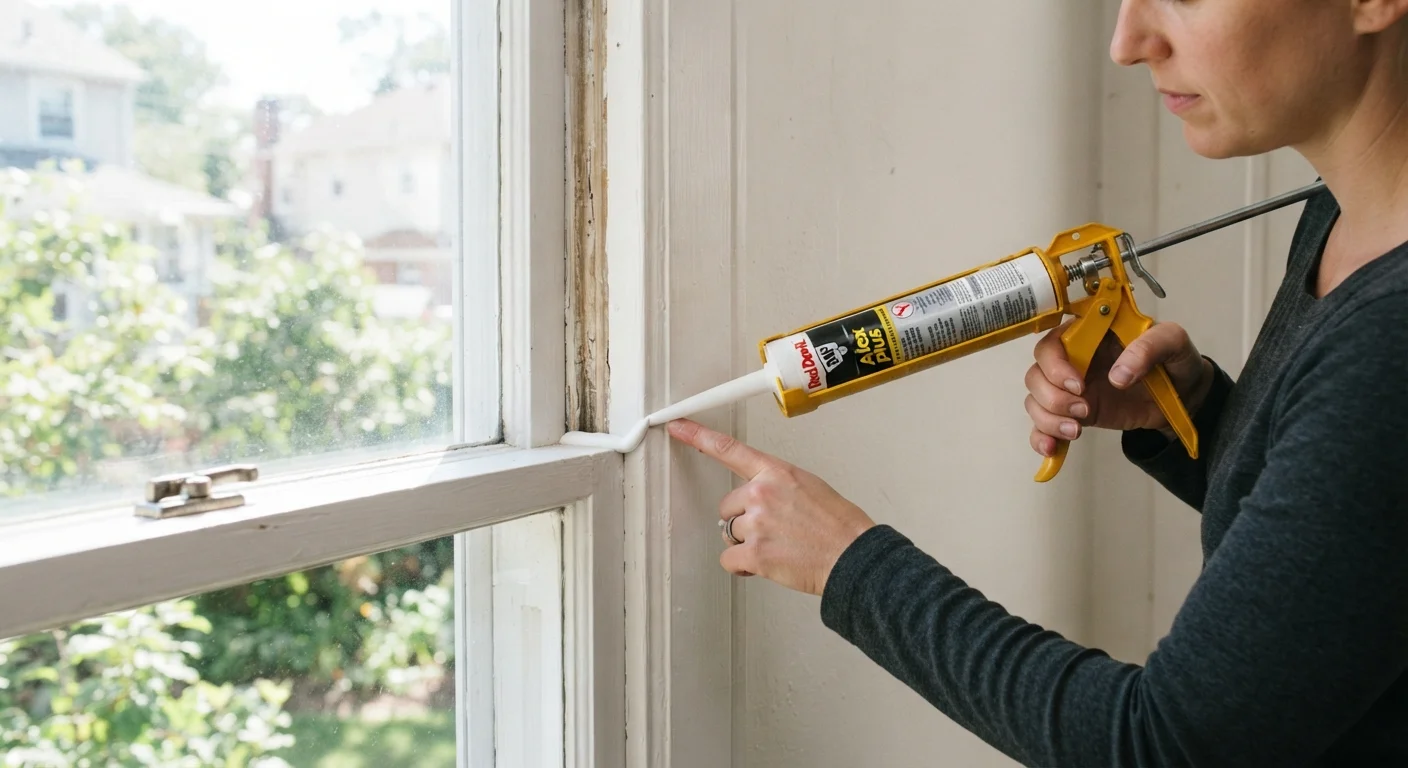
For gaps around pipes, joints, or small cracks, the guide to caulking, weatherstripping, and sealing explains which materials work in wet or below-grade conditions.
Interior controls: managing what gets through
Even with good exterior drainage, some moisture will reach your basement walls and floor. Interior strategies manage that remaining moisture rather than stopping it at the source.
Interior drainage systems: A perimeter drain channel installed at the base of the interior walls collects water that seeps through and directs it to a sump pit. A sump pump then moves that collected water away from the foundation. This system does not stop infiltration, but it prevents pooling and reduces hydrostatic pressure against the slab.
Crack repair: Small hairline cracks in poured concrete walls can be filled with hydraulic cement or an epoxy injection. Larger cracks, stair-step cracking in block foundations, or horizontal cracks may indicate structural movement and warrant a professional evaluation before any DIY repair is attempted.
Dehumidification: A basement-rated dehumidifier (sized to the square footage) controls interior humidity, which reduces condensation and limits mold-friendly conditions. Target a relative humidity below 60 percent. A unit with a built-in hygrometer and automatic drain line makes maintenance easier.
Moisture control is part of broader home upkeep. The home maintenance budget guide can help you decide how to sequence repairs when resources are limited.