Why prioritization matters more than a full to-do list
Most homeowners carry a mental list of repairs that never quite gets done. When money is limited, trying to address everything at once leads to nothing getting done well. A better approach is sorting tasks by consequence: what happens if this is ignored for another six months?
Tasks fall into three rough categories. Safety issues need attention immediately. Structural or water-related problems that worsen over time come next. Cosmetic or comfort items can wait. This order protects your investment and keeps your household safe without requiring a large budget all at once.
For a deeper look at spots that homeowners commonly skip entirely, see areas most homeowners forget to maintain.
Address water intrusion before any other cosmetic repair
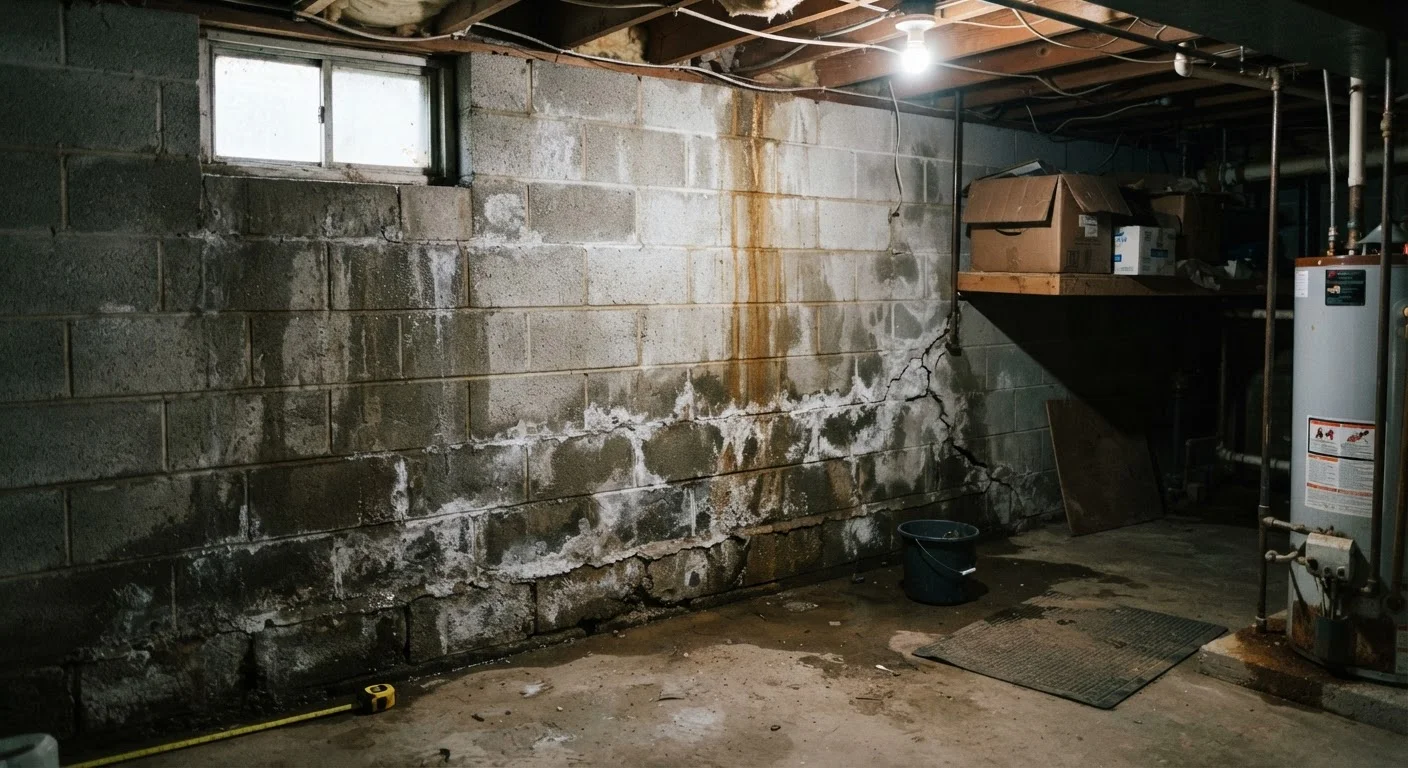
Water is the leading cause of structural damage in homes. Moisture behind walls, under floors, or in a crawl space can destroy framing, foster mold, and compromise air quality long before the damage becomes visible. Fixing the source first prevents compounding costs.
Replace HVAC filters on schedule, not when you remember
A clogged filter forces the heating and cooling system to work harder, raising energy costs and shortening the equipment's lifespan. Most filters need replacement every one to three months depending on the type and household conditions.
Keep gutters clear and downspouts directed away from the foundation
Blocked gutters cause water to overflow and run down the exterior wall, eventually reaching the foundation. Foundation water intrusion is one of the most expensive repairs a homeowner can face.
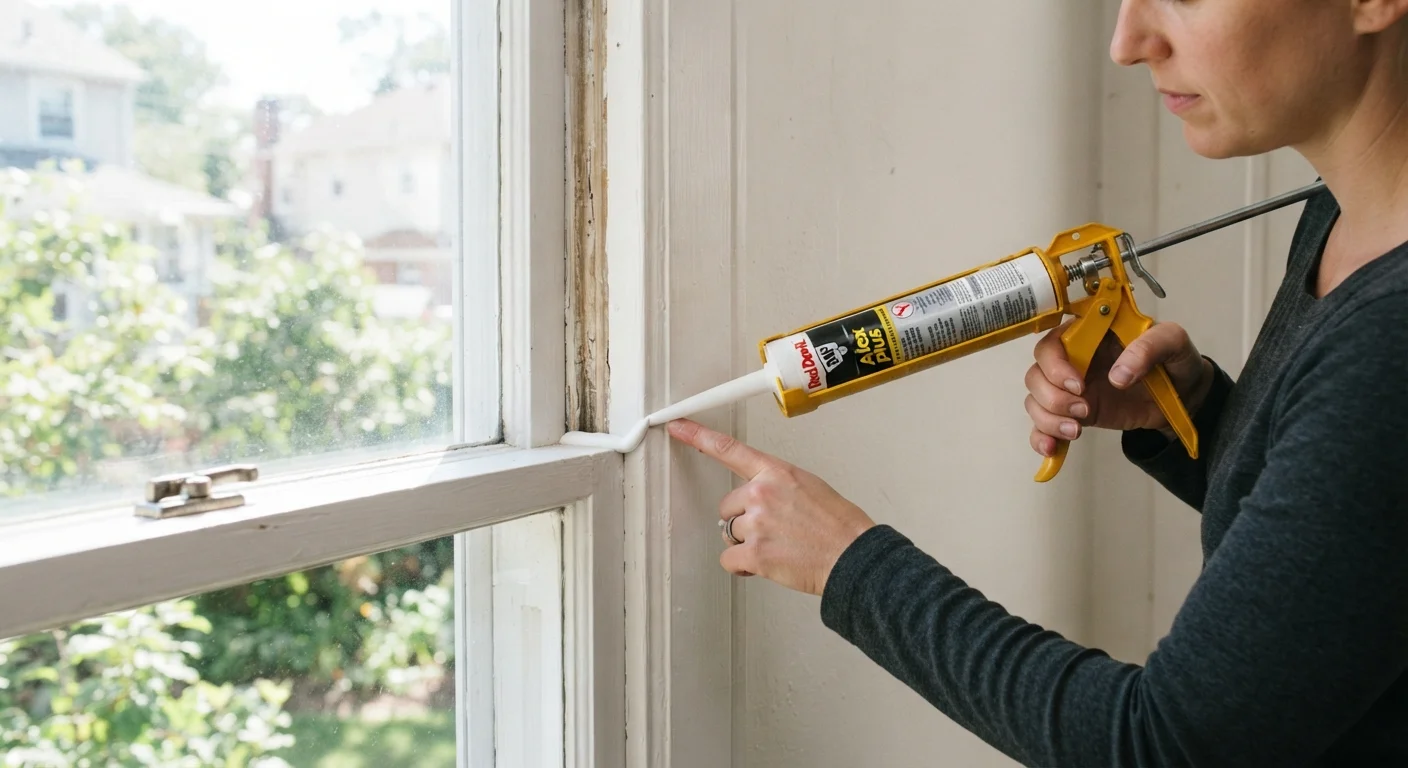
Caulk and weatherstrip windows and doors annually
Failed caulk and worn weatherstripping allow conditioned air to escape and moisture to enter. The materials are inexpensive, and the work requires no specialized skills, yet the savings on heating and cooling bills are measurable.
Test safety devices on a set schedule
Smoke detectors and carbon monoxide alarms have limited lifespans and require periodic battery replacement. A non-functional detector provides no protection. Testing takes under a minute per device.
Seasonal checks that cost little but prevent a lot
Most major home failures have early warning signs. A systematic walk-through each season takes under two hours and costs nothing beyond your time. The goal is catching problems while they are still small.
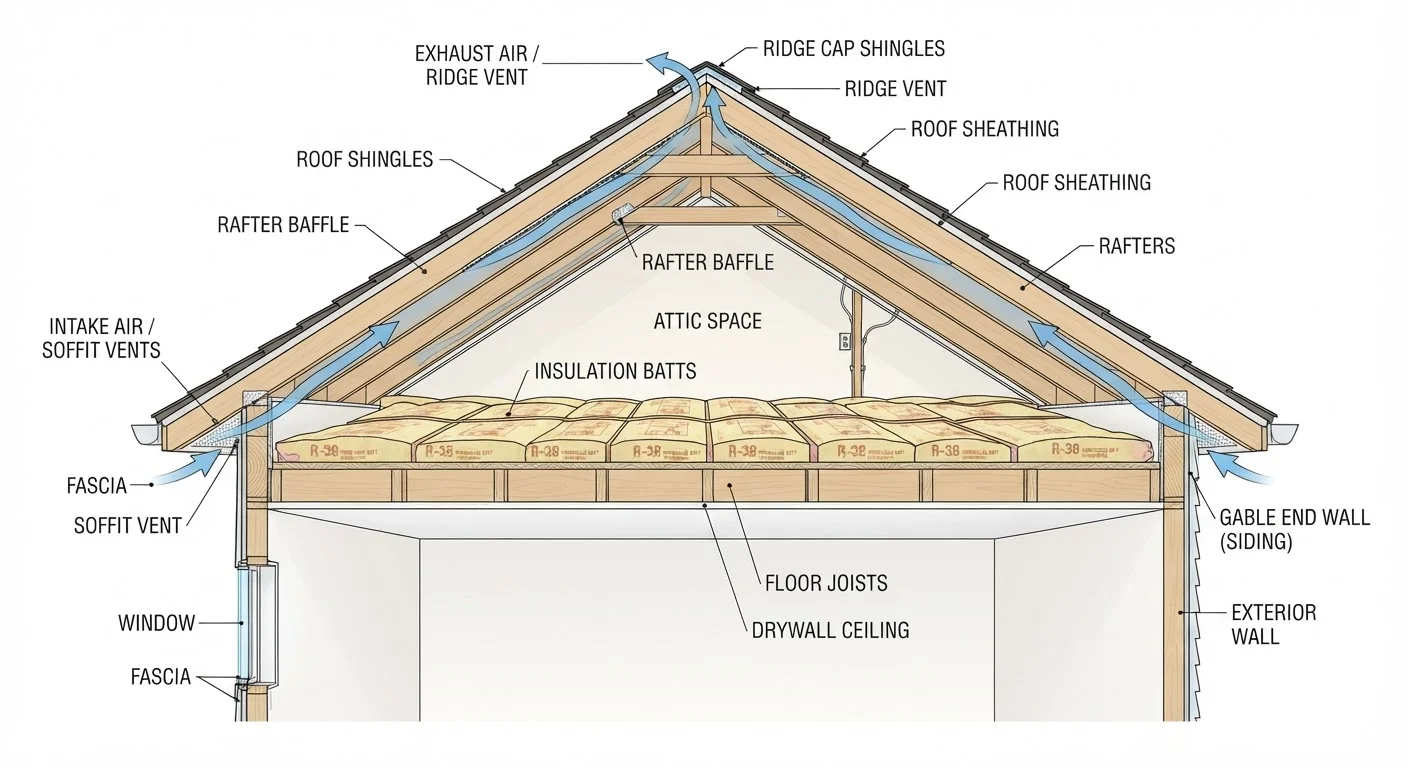
In spring, check your roof for missing or lifted shingles after winter storms. Reading the signs of roof wear from ground level can tell you whether a closer inspection is warranted before the next rain season. Clear gutters and downspouts so water flows away from your foundation rather than pooling against it.
In fall, test smoke detectors and carbon monoxide alarms. A home safety device audit takes less than 30 minutes and verifies your alarms are placed correctly and working. Drain outdoor hoses and shut off exterior water supply valves before freezing temperatures arrive.
Basement moisture is worth checking any time you notice a musty smell or visible efflorescence (white mineral deposits on concrete walls). Left alone, dampness compromises indoor air quality and can damage framing. Understanding basement moisture sources helps you determine whether the fix is a simple grading adjustment or something that needs professional attention.
Building a maintenance fund without strain
Home repair costs are unpredictable, but the need for them is not. A water heater, roof, or HVAC system will eventually need service; the only question is when. Setting aside a dedicated amount each month means a repair becomes a manageable expense rather than a financial emergency.
A commonly cited guideline suggests budgeting roughly 1 percent of your home's purchase price per year for maintenance. That figure will vary with the age, size, and condition of the home, so treat it as a starting point rather than a rule. If saving even a small amount feels difficult right now, strategies for building savings on a tight budget offer practical approaches that work when margins are narrow.
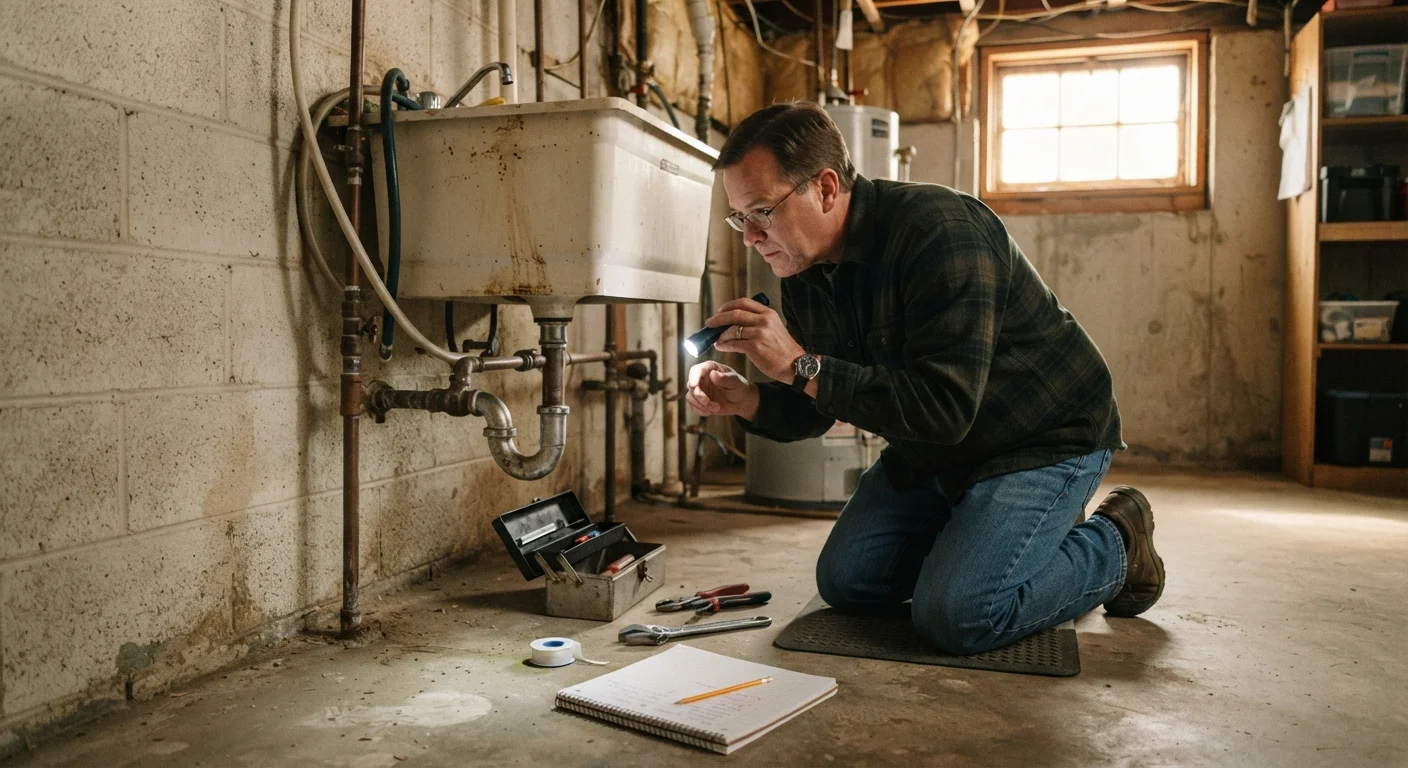
Prioritize repairs that, if deferred, will cost significantly more. A $10 tube of caulk around a window frame can prevent water intrusion that eventually damages drywall, insulation, and framing. Addressing a slow leak under a sink immediately costs far less than replacing water-damaged cabinetry months later.
Knowing when to call a professional
DIY maintenance saves money on many tasks: caulking, replacing air filters, cleaning dryer vents, patching small drywall holes, and tightening loose hardware. However, certain work carries real risks if done incorrectly, and some jurisdictions require permits and licensed contractors for specific jobs.
Electrical panel work, gas line repairs, structural modifications, and roofing replacements generally fall outside safe DIY territory. Unpermitted work can create problems when you sell the home and may void your homeowner's insurance in the event of a related claim. When in doubt, get a written estimate from a licensed contractor before deciding whether to attempt a repair yourself.
The same principle applies to large mechanical systems. Garage doors are among the heaviest moving parts in a home; spring replacement in particular carries injury risk. Routine garage door maintenance checks cover what you can safely inspect yourself versus what requires a technician.
For homeowners thinking about larger improvement projects beyond routine upkeep, sequencing renovation work correctly prevents the costly mistake of finishing surfaces before systems behind the walls are addressed.