How free apps pay their bills
Building and maintaining an app costs money. Developers pay for servers, engineers, security updates, and customer support. When an app carries no price tag, one of a handful of business models covers those costs instead.
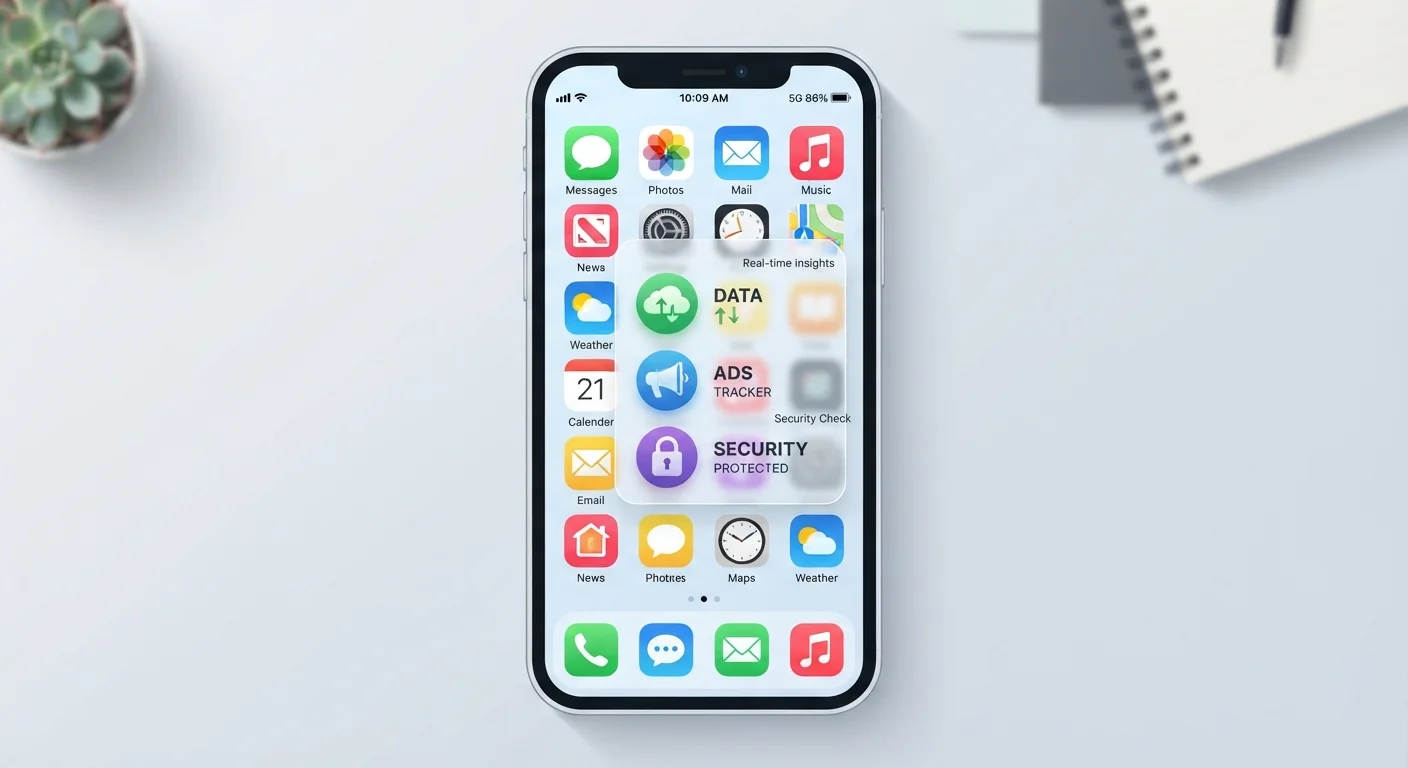
The most common is advertising. The app displays ads, and advertisers pay the developer based on how many people see or click them. A second model is data monetization: the app collects information about your behavior and sells or licenses it to data brokers, marketers, or research firms. A third is the freemium model, where basic features are free but meaningful functionality sits behind a paid subscription or one-time upgrade. Many apps combine two or three of these at once.
Paid software models work differently, but understanding the free side first makes the comparison more useful.
What you give up
Personal data collected and often shared
Free apps commonly gather location history, usage patterns, and device identifiers, then share or sell that data to third parties. The data may be anonymized, but re-identification is possible in some cases.
Advertising interrupts the experience
Ad-supported apps display banners, interstitials, or video ads that interrupt use. These also consume mobile data and battery life beyond what the app itself requires.
Key features locked behind a paywall
Freemium designs often restrict the most useful functions, such as exporting, syncing across devices, or removing storage limits, to paid tiers.
Privacy policies can be long and hard to parse
The terms governing data use in free apps are often written in legal language that most users do not read, making it difficult to know exactly what has been agreed to.
App may shut down without warning
Free apps with uncertain revenue can close suddenly, leaving users without the tool and sometimes without a straightforward way to export their data.
Data collection is the trade-off most people underestimate. Free apps routinely gather device identifiers, location history, search terms within the app, and patterns around when and how long you use it. That data builds a profile that has commercial value even if your name is never directly attached. For a closer look at how this works across your devices, see what personal information apps collect without obvious prompts.
Permissions are a related concern. A free flashlight app that requests access to your contacts is asking for something it does not need to function. Understanding what each permission request actually means helps you decide what to grant.
Ad-supported apps also consume more battery and mobile data than equivalent paid apps, because ads load alongside the content you actually want.
What you still get
No upfront cost to try the app
You can test whether a tool fits your needs without spending money, which is particularly useful for categories where several apps compete for the same job.
Broad access regardless of budget
Free apps make software tools available to users who cannot or prefer not to pay recurring subscription fees across multiple categories.
Frequent updates driven by large user bases
Apps with millions of free users often receive regular updates because ad and data revenue scales with usage, giving developers financial reason to keep improving the product.
Core functionality often fully usable
Many free apps provide genuinely useful feature sets in the free tier, particularly for common tasks like note-taking, navigation, and communication.
Free access has genuine advantages. It removes the financial risk of trying a tool that may not suit your workflow. If a budgeting app turns out to be confusing or a productivity tool does not match how you think, you have lost nothing. Our guide to setting up a personal budget app walks through what to look for before you commit to any one option.
Free apps also make software available to people who cannot or prefer not to pay subscription fees for every category of tool they use. That is a real benefit, not just a marketing talking point.
The freemium trap and how to spot it
When 'free' becomes costly for sensitive data
Apps that handle financial accounts, health tracking, or private messages warrant extra scrutiny under a free model. Data from these categories can be particularly sensitive if shared with third parties. If a free app in one of these categories has a paid tier, reviewing what changes in the privacy policy between tiers is worth the time. This is general guidance, not advice tailored to your specific situation.
A freemium app is only a good deal if the free tier does what you actually need. Some apps are designed so that the free version is functional enough to hook you but limited enough to push you toward paying. Common patterns include storage caps that fill up quickly, export features locked to paid tiers, and collaboration tools disabled unless everyone on a team upgrades.
Before downloading, search for the app's pricing page and read what the free tier explicitly includes. If that information is hard to find, that is itself a signal. If you are choosing between multiple apps in the same category, narrowing down to one system before going deep on any free trial saves time and frustration.
For apps where the distinction between local and browser-based matters, how local and web apps handle your data differently adds useful context.
Making a more informed choice
~97%
Share of apps in major stores that are free to download
App store analysis by Statista has consistently found that the large majority of available apps carry no download price.
2-3x
More permissions requested by free vs. paid apps on average
Research published in IEEE Transactions on Mobile Computing found free Android apps requested significantly more permissions than their paid equivalents in the same category.
A few practical habits help. Read the app's privacy policy, or at minimum search the app's name alongside the word "privacy" to surface any reported concerns. Check which permissions it requests at install time and decline any that seem unrelated to its purpose. If the app handles financial or health data, give the paid tier a genuine look: the cost difference may be smaller than the data exposure.
Free is not always worse, and paid is not always better. The useful question is whether the specific trade-offs of a given free app fit your situation and comfort level.