Why Japan catches American travelers off guard
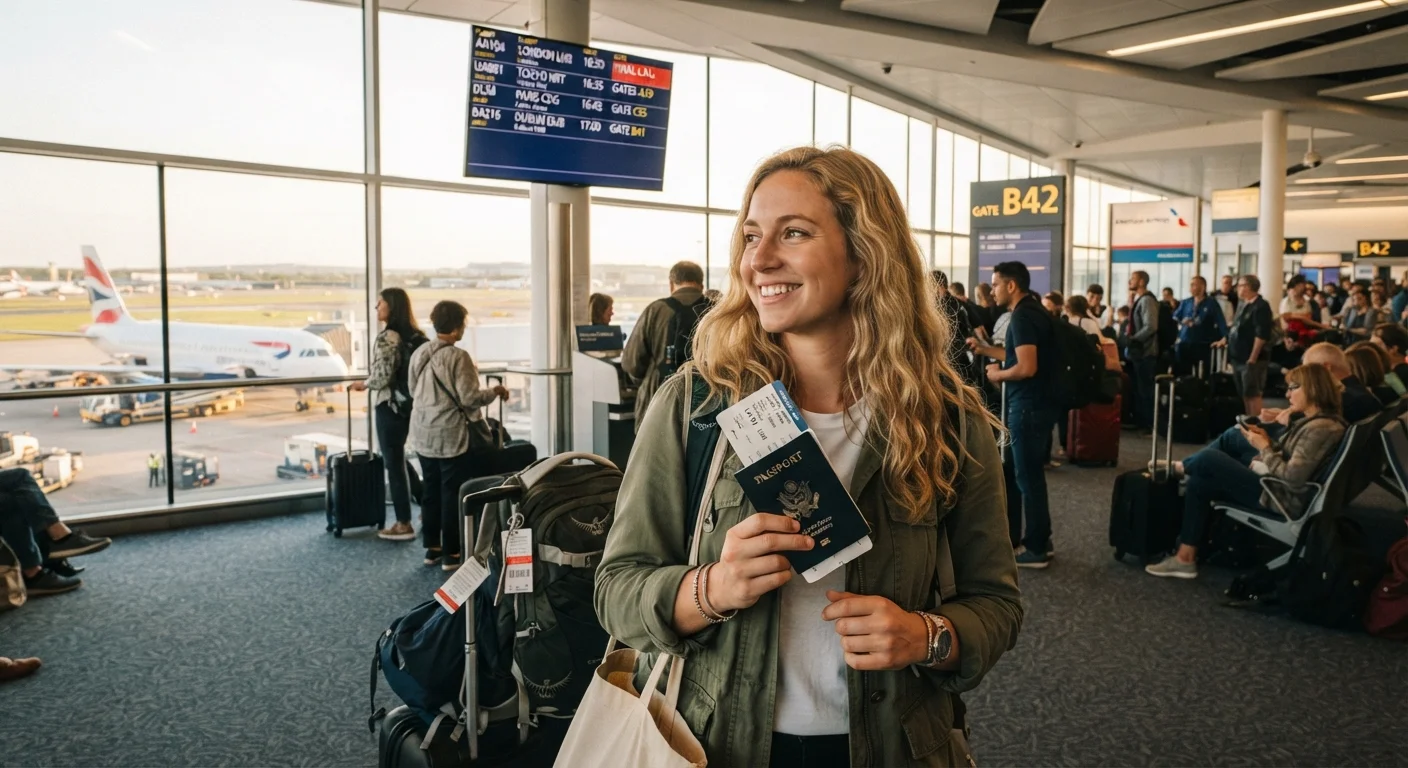
Japan ranks among the most popular international destinations for Americans, and for good reason. The country has a well-developed tourism infrastructure, low violent crime rates, and food that draws travelers back year after year. Yet first-timers consistently report being surprised, sometimes flustered, by how different the day-to-day experience is from anything they anticipated.
The gap is rarely about language barriers or logistics being hard. Japan is, in practical terms, one of the easier countries to navigate as a first-time international traveler. The surprises come from assumptions carried over from American travel habits: how to pay for things, how to behave in public spaces, how to read a transit map, and what "a hotel room" actually means. Understanding these gaps before you go makes a real difference. For a broader look at getting your documents and plans in order before any international trip, see the step-by-step international trip planning guide.
Common mistakes first-time visitors make
The following mistakes come up repeatedly among American travelers visiting Japan for the first time. Each one is avoidable with a little preparation.
Relying on credit cards for every purchase.
Why it happens: Americans are accustomed to card-only travel, and Japan looks modern enough that cash seems optional. Many smaller restaurants, temples, vending machine clusters, and local shops are cash-only.
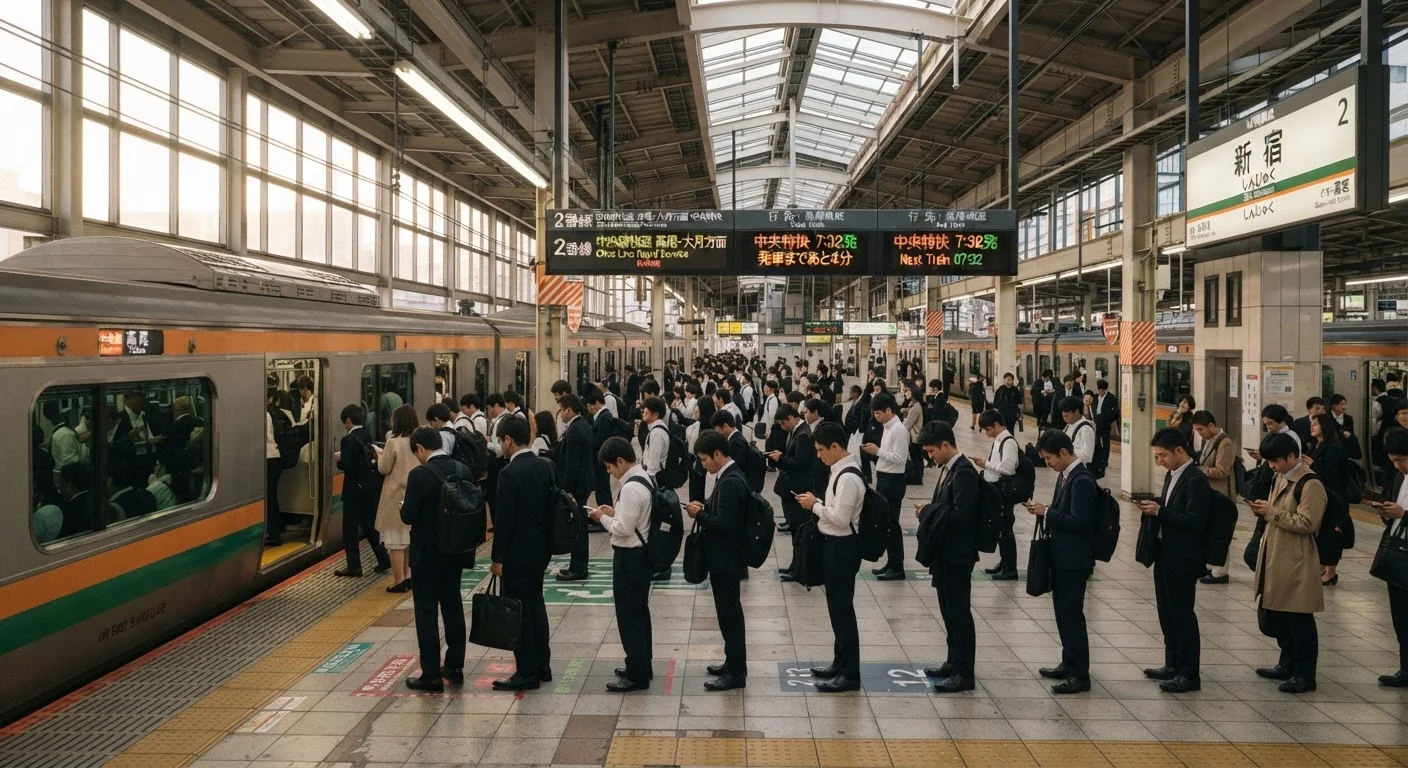
Not getting an IC card (like Suica or Pasmo) on the first day.
Why it happens: Travelers assume individual ticket purchases will work fine, the way they do in most American cities. Japan's transit networks are extensive and multi-operator, making per-ride tickets time-consuming and confusing.
Tipping service staff at restaurants, hotels, or taxis.
Why it happens: Tipping is so automatic for Americans that skipping it feels rude. In Japan, service quality is considered part of the job, and a tip can be awkward or even offensive to receive.
Eating or drinking while walking in public.
Why it happens: Grabbing street food and walking is normal in the U.S. In Japan, eating while walking is generally considered inconsiderate, particularly in non-festival contexts.
Assuming Google Maps alone will handle all transit navigation.
Why it happens: Google Maps works well for transit in Japan, but it does not always account for the cheapest route, IC card fare gates, or platform-specific details on complex multi-line transfers.
Underestimating how much walking is involved each day.
Why it happens: Japan's cities are compact on a map but spread across many neighborhoods and vertical levels (multi-story stations, underground malls, hillside temples). Travelers plan more stops than time and terrain allow.
Japan differs from other international destinations in ways that can trip up even seasoned American travelers. If you have read about what Southeast Asia travel actually involves, you will notice that some logistical challenges overlap, but Japan presents its own specific set of social and practical norms worth studying separately.
A few things worth knowing before you land
3.7M+
American visitors to Japan annually (pre-pandemic baseline)
According to Japan Tourism Agency data, the U.S. consistently ranks among the top source countries for inbound international visitors.
~60%
Share of Japanese businesses that are cash-only or cash-preferred
Surveys by the Bank of Japan have found that cash remains the dominant payment method at small and mid-sized businesses, particularly outside Tokyo.
One detail many travelers overlook is that convenience stores in Japan (7-Eleven, FamilyMart, Lawson) function very differently from their American counterparts. They sell fresh prepared meals, operate ATMs that reliably accept foreign cards, and carry basic pharmacy items. Identifying your nearest convenience store on arrival solves several problems at once: cash, food, and data top-ups.
Accommodation varies more than Americans often expect. Business hotels offer compact but well-designed rooms similar to Western stays. Ryokan (traditional inns) include futon bedding on tatami floors, multi-course kaiseki meals, and communal or private onsen (hot spring baths). Booking a ryokan for at least one or two nights is worth considering, as the experience is distinct from anything available in the U.S. For travelers still weighing whether international travel fits their comfort level, the common myths about traveling abroad as an American article addresses several concerns about safety and cost that often hold people back.
This article is for general informational purposes. Entry requirements, transit policies, and local regulations can change; verify current details with official Japanese government sources and your airline before traveling.