What the region actually looks like
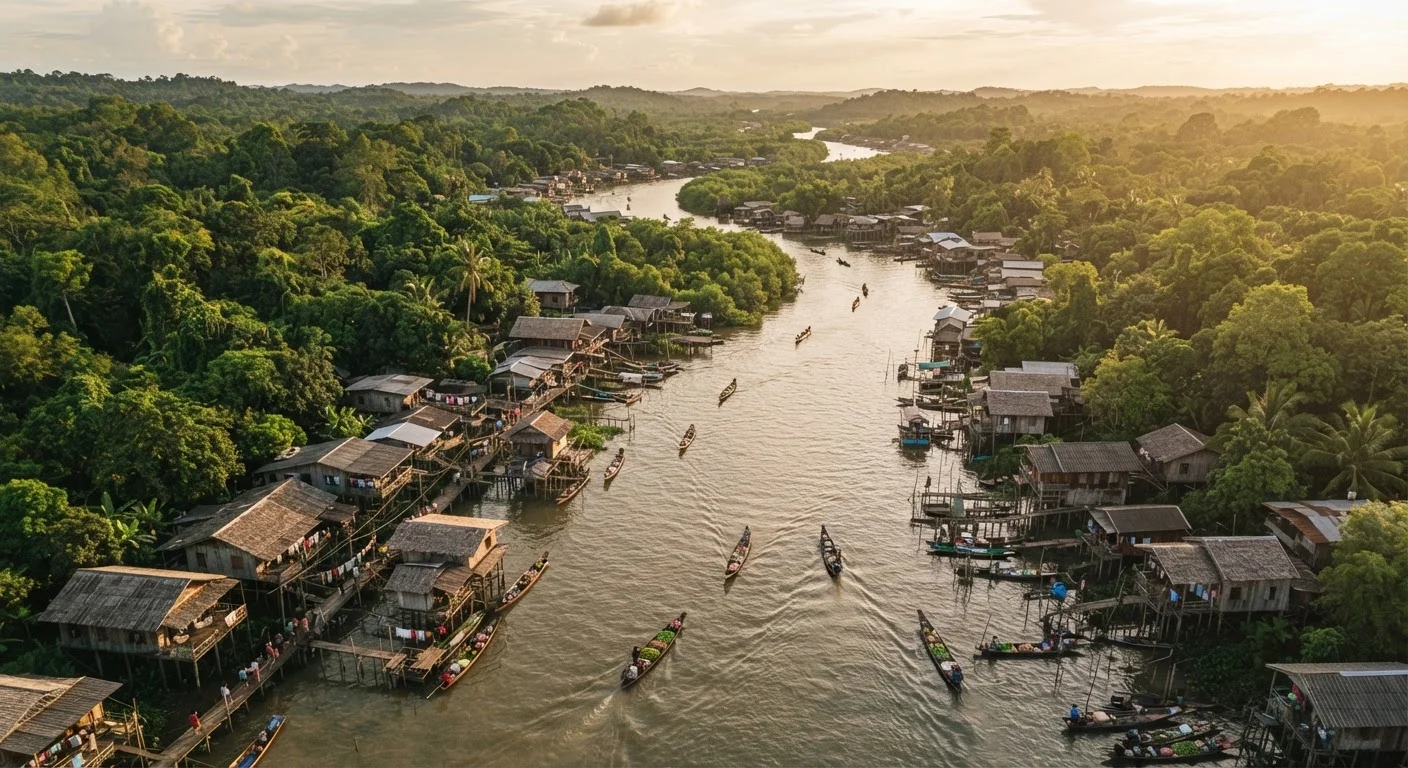
Southeast Asia is not a single destination. It is a region of eleven countries spanning mainland corridors and island chains: Thailand, Vietnam, Cambodia, Laos, Myanmar, Malaysia, Singapore, Indonesia, the Philippines, Brunei, and Timor-Leste. Each country has its own language, currency, entry rules, food culture, and travel infrastructure. Treating the region as one monolithic place is the most common mistake first-time visitors make.
For practical purposes, most American travelers build itineraries around a handful of countries. Thailand (Bangkok, Chiang Mai, southern islands), Vietnam (Hanoi, Hoi An, Ho Chi Minh City), Cambodia (Siem Reap, Phnom Penh), Bali in Indonesia, and Singapore are the most common starting points. Each can fill a two-week trip on its own, and combinations are very possible overland or by budget airline.
If you want a broader framework for building an international itinerary from scratch, this trip planning walkthrough covers passports, flights, and accommodations systematically.
Visa-on-arrival
A visa you obtain at the border or airport when you arrive, rather than applying in advance. You typically pay a fee and show your passport and onward travel documents at the immigration counter.
E-visa
An electronic visa approved online before you travel. You apply through the destination country's official government website and receive an approval document to present at the border.
Monsoon season
A period of seasonal heavy rainfall common across much of Southeast Asia. The timing and intensity differs by country and can affect road conditions, ferry services, and outdoor activities.
Onward travel proof
A document showing you have a booked flight, bus, or train leaving the country you are entering. Immigration officers may ask for this to confirm you do not plan to overstay your permitted visit.
Travel medicine specialist
A healthcare provider with focused training in health risks related to international travel. They advise on vaccinations, medications, and precautions specific to your destination and itinerary.
Entry requirements and visa basics
U.S. passport holders get visa-free or visa-on-arrival access to most Southeast Asian countries for stays of 15 to 30 days, sometimes longer. Thailand, for example, has offered visa exemption for American tourists, while Vietnam has expanded its visa-free window in recent years. Indonesia allows visa-on-arrival at major entry points. Singapore is visa-free for short stays.
These rules change. Lengths of permitted stays, whether e-visas are required, and what proof of onward travel you need can all shift with little notice. For every country on your itinerary, verify current requirements directly through that country's official immigration authority or embassy website before you book flights.
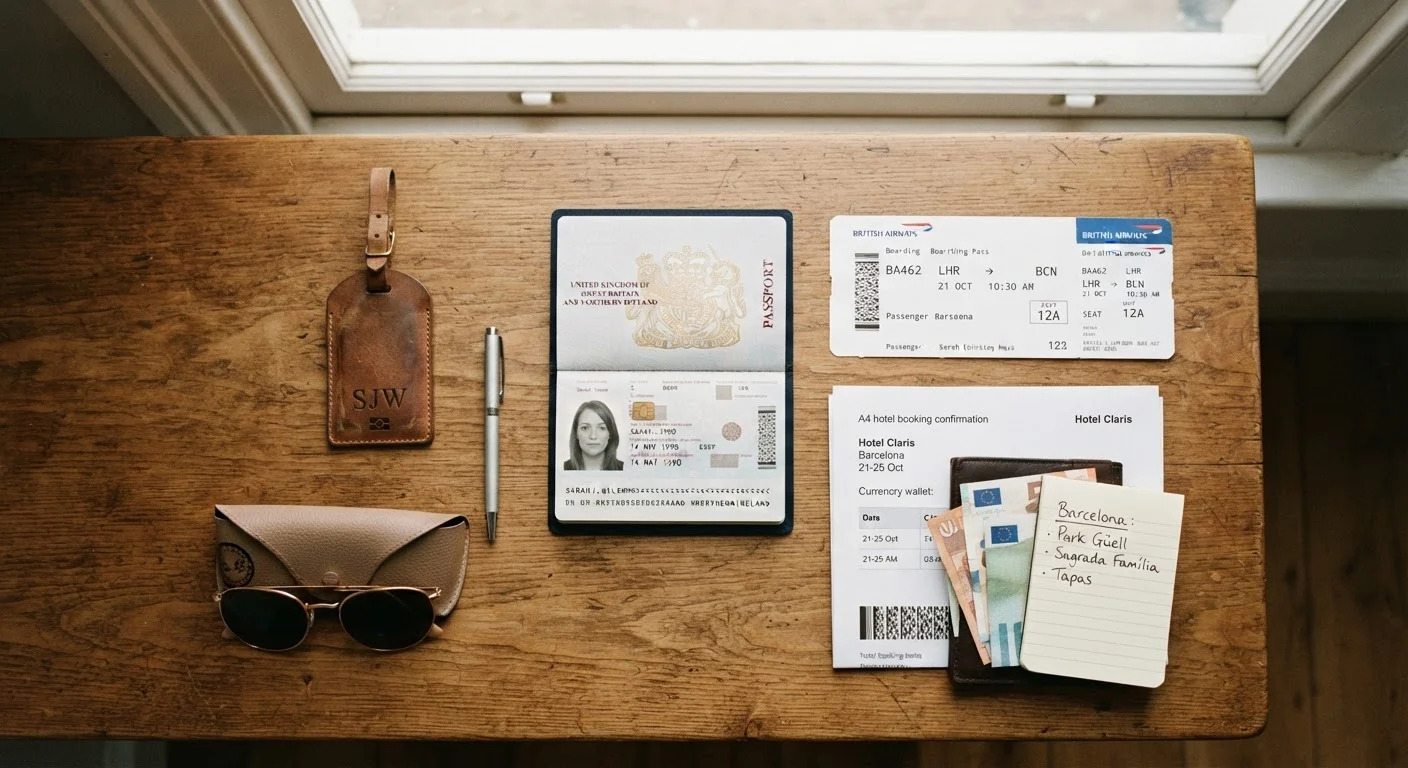
Your passport must typically be valid for at least six months beyond your planned departure date. Most countries also want to see proof of onward or return travel at entry. Some border crossings ask for proof of sufficient funds.
When to go and what weather means for your trip
Southeast Asia has two broad seasons in most countries: a dry season and a wet (monsoon) season. The catch is that the monsoon calendar differs by location. When northern Thailand is dry and clear (roughly November through April), the east coast of Vietnam may be in its wet period. The Philippines has its own typhoon window, typically June through November.
For a first trip, November through February is the most broadly reliable window for mainland countries: Thailand, Vietnam, Cambodia, and Laos all tend to be drier and cooler then. Bali's dry season runs roughly May through September. Singapore stays warm and humid year-round with rain distributed fairly evenly.
Wet season travel is not unworkable. Prices drop, crowds thin, and rain often arrives in short afternoon bursts rather than all-day downpours. Infrastructure in some remote areas does get disrupted, so activities like trekking or visiting certain islands may be limited.
Getting around once you arrive
In-country transport options are wide. Cities like Bangkok and Singapore have extensive metro systems that are easy to use. Ride-hailing apps (Grab is the dominant platform across much of the region) work well for shorter city trips and cost a fraction of what you would pay in a U.S. city. Tuk-tuks and motorbike taxis are common in smaller towns.
Between countries, low-cost carriers like AirAsia and Vietjet connect major cities for prices that can be under $50 when booked in advance. Overland buses and sleeper trains are slower but cheaper and practical for shorter hops, such as Bangkok to Siem Reap or Hanoi to Ho Chi Minh City.
Renting a motorbike is popular for self-guided exploring in places like Chiang Mai or Hoi An, but it carries real risk, especially if you lack experience. Road conditions, traffic patterns, and local driving norms are all different from U.S. roads. Consider this honestly before committing.
For context on how Southeast Asia compares to domestic independent travel, this orientation for solo U.S. travelers lays out what independence on the road actually requires.
Cultural considerations worth knowing before you land
Buddhist temples are central to daily life in Thailand, Cambodia, Laos, and Myanmar. Most require covered shoulders and knees to enter. Many temples provide sarongs at the entrance, but carrying a light scarf or pants is practical. Shoes come off at temple entrances universally.
Public displays of affection are viewed differently than in the U.S., particularly in more conservative communities. Raising your voice or showing visible frustration in public is read as a serious loss of composure in many parts of the region. A calm, patient manner goes a long way in almost every situation.
Tipping is not universally expected the way it is in the U.S. In many countries, rounding up or leaving small change is standard; in others, tipping is not customary at all. Singapore and Japan-influenced parts of the region sometimes consider tipping unnecessary. Research the norm for each country.
Common myths about traveling abroad as an American addresses some of the assumptions that can lead visitors astray on questions like dollar value, safety perceptions, and language barriers.
Download offline maps before you arrive
Apps like Maps.me or Google Maps offline mode let you navigate without a local SIM or reliable data connection. Download the maps for each country on your itinerary while you still have solid Wi-Fi at home. Local SIM cards are inexpensive and widely available at airports in most Southeast Asian countries, but having an offline backup is useful in remote areas or at border crossings.
Health and safety groundwork
See a travel medicine specialist or your primary care provider at least four to six weeks before departure. Recommended vaccines for Southeast Asia commonly include hepatitis A, typhoid, and tetanus updates, though what applies to you depends on your destination and activities. The CDC website publishes country-specific health guidance as a public resource. This article is general information, not medical advice: consult a qualified healthcare professional for personal recommendations.
Food and water safety vary by country and area. Bottled or purified water is standard practice for most travelers in most countries. Street food is safe in many contexts, but exercising judgment about vendor hygiene is reasonable. Traveler's diarrhea is common and treatable; discuss appropriate preparation with your doctor.
Travel insurance that covers emergency medical evacuation is worth serious consideration. Medical facilities in major cities have improved substantially, but care in rural areas can be limited, and medical evacuation costs without coverage can be very high.
Check current U.S. State Department travel advisories for each country before you go. Conditions can change, and some border regions or specific areas within otherwise popular countries carry elevated risk at certain times.
This article is for general informational purposes only and does not constitute medical, legal, or financial advice. Verify entry requirements, health recommendations, and travel advisories with official government and provider sources before traveling.