Why solo domestic travel works for beginners
Going it alone in your own country removes most of the variables that make international solo travel feel daunting. There are no passport queues, no visa applications, no currency exchanges to figure out, and no language barrier. If something goes sideways, a quick phone call can sort most of it out.
That lower friction makes domestic travel an ideal proving ground. You learn how you actually behave when plans change, how long you genuinely like walking before needing a break, and what kind of lodging makes you feel comfortable and rested. Those lessons travel with you to every future trip, whether the next destination is Nashville or Tokyo.
If you are weighing whether to go it alone at all, a side-by-side comparison of solo and group travel covers the real trade-offs without cheerleading for either option.
Single supplement
An extra charge added to solo travelers' accommodation costs because the price of a room is calculated for two people sharing. You pay the full rate rather than half.
Shoulder season
The period just before or after a destination's busiest tourist months. Prices tend to be lower and crowds smaller than during peak season.
Walkability score
A rough measure of how easily a neighborhood or city can be navigated on foot, based on proximity of services, safety of sidewalks, and street layout.
Contingency reserve
A portion of your travel budget set aside for unexpected costs: delays, medical needs, accommodation changes, or anything not in your original plan.
Itinerary anchor
A confirmed, time-specific commitment in your travel plan (a reserved tour, a dinner booking) that gives structure to the day without filling every hour.
Picking your destination and timing
The single most useful filter for a first solo trip is walkability. A city or town where you can move between sights, restaurants, and your accommodation on foot or by transit means you are not dependent on a car, and the environment itself keeps you oriented and engaged.
Transit-connected mid-sized cities often work better than the biggest metros for beginners. They have enough infrastructure to make independent navigation easy, but fewer crowds and lower costs. If outdoor travel appeals, the U.S. national park system is a structured, well-marked option; a region-by-region overview of national parks explains what to expect across different landscapes and seasons.
Timing matters more than most people anticipate. Traveling in shoulder season (the weeks just before or after peak tourist periods) typically means lower accommodation rates, shorter waits at popular sites, and a less crowded experience overall. Check local event calendars before booking: a citywide convention or major festival can fill hotels and raise prices significantly.
Budgeting for a solo trip
Solo travelers face a specific financial reality: the single supplement. Hotels price rooms per room, not per person, so you pay the same rate a couple would split. That cost doubles your effective per-night lodging expense compared to traveling with a partner.
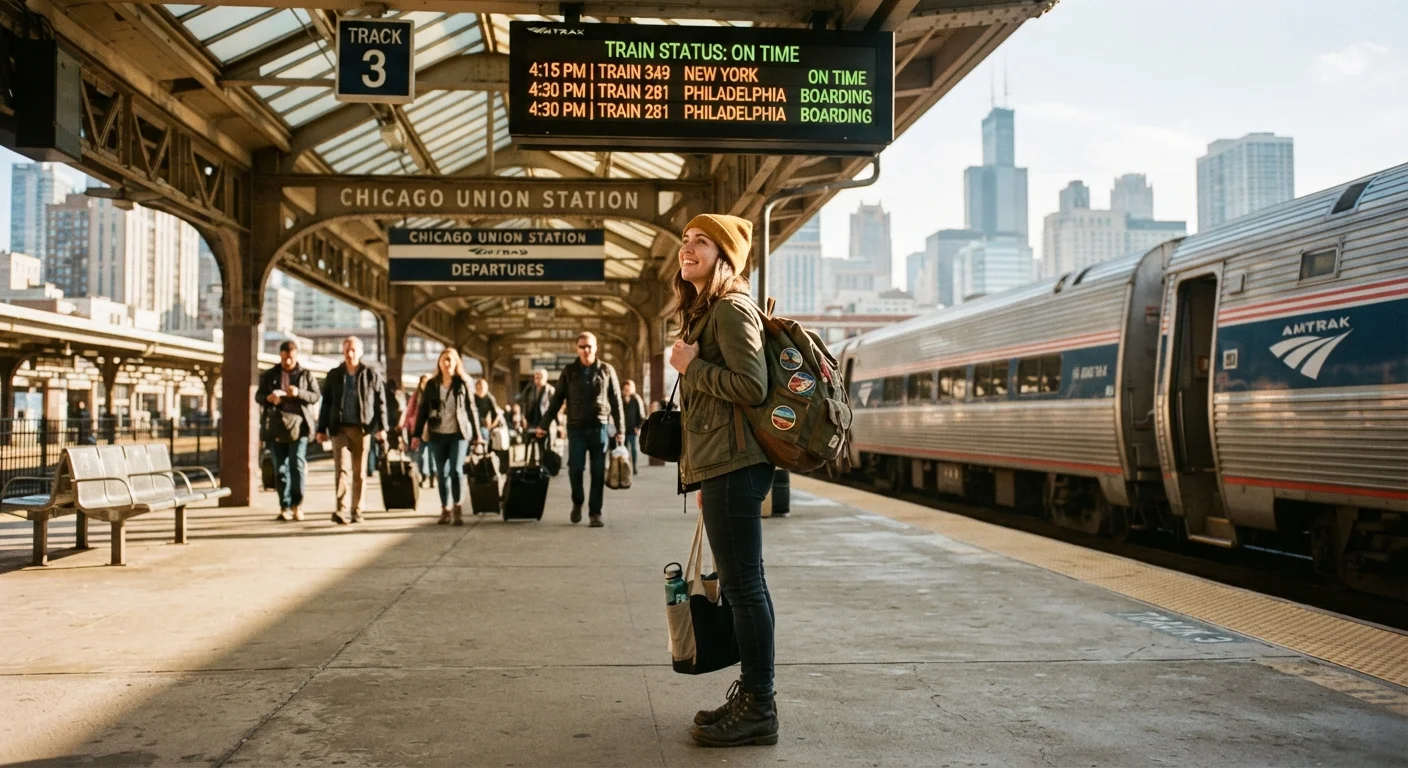
Practical ways to close that gap include hostels with private rooms (lower nightly rate than hotels), extended-stay properties that discount weekly rates, and short-term rental platforms where studio apartments sometimes cost less than a hotel room. Transportation is the other major variable. Trains and intercity buses often undercut flights once you add baggage fees and ground transport to and from airports.
Build your budget in three buckets: fixed costs (transport, lodging), daily spend (food, activities, local transit), and a contingency reserve of roughly 15 to 20 percent of the total. Writing the numbers down before you book, rather than estimating in your head, tends to surface surprises early when you can still adjust plans.
Front-load your fixed costs
Book transport and lodging before your trip so the largest expenses are settled and visible. This prevents the common trap of underestimating total costs when you only track daily spending. Once fixed costs are locked in, your daily budget is easier to manage and adjust.
Safety and situational awareness
Safety on a solo trip comes down to habits, not anxiety. The most effective practices are straightforward: tell someone at home your itinerary, keep your phone charged, and learn a neighborhood's general layout before wandering it after dark.
Use the same judgment you would in an unfamiliar part of your own city. Avoid displaying expensive gear visibly, be cautious about sharing your accommodation details with people you have just met, and trust your instincts when a situation feels off. For a deeper look at evidence-based safety habits, practical awareness strategies for unfamiliar cities covers the research without stoking unnecessary worry.
Health coverage is worth reviewing before you leave. Most U.S. health insurance plans cover you anywhere in the country, but urgent care costs still vary by network. Knowing where the nearest in-network urgent care or hospital is before you need one saves time and stress.
Making the most of traveling alone
The clearest advantage of solo travel is flexibility. You can change plans mid-day, spend three hours in one museum wing without negotiating, and eat dinner at 5 p.m. or 10 p.m. depending on how the day unfolds. That freedom is not a compensation for the lack of company; it is a genuinely different way to experience a place.
Structure a loose daily outline rather than a rigid schedule. Identify one or two anchors per day (a specific neighborhood, a reserved tour, a restaurant you want to try) and let the rest fill in organically. Most solo travelers find that the unplanned hours produce the most interesting experiences.
Connection with other people is entirely possible on a solo trip. Communal lodging, food tours, day hikes with local guide companies, and casual conversations at coffee shops or bookstores are all low-pressure entry points. The practical travel tips hub has more targeted advice on navigating different types of trips as you build confidence.