Why awareness beats anxiety
Fear of unfamiliar cities is common, and understandable, but it is often misapplied. Travelers who avoid entire destinations because of a vague sense of danger frequently miss places that are statistically safer than their own hometowns, while others walk confidently into genuinely risky situations because they felt comfortable. The difference is almost never bravery. It is preparation.
Practical awareness means gathering accurate information, building a few consistent habits, and staying observant without treating every stranger as a threat. It does not mean hypervigilance or carrying a checklist of fears wherever you go. The practices below are drawn from the same logic that experienced travelers use every day, and they apply whether you are visiting a foreign capital or a domestic city you have never seen before.
If you are heading abroad for the first time, our guide for first-time international travelers covers the broader logistics that complement the safety habits here.
Verify conditions before you go
Travel safety conditions change. Always check the U.S. Department of State travel advisories and your destination country's official tourism or government site before your trip. What was accurate when this article was written may not reflect current realities, especially for visa rules, local laws, or regional unrest.
Before you arrive: the work that matters most
Most travel problems are preventable before your trip begins. The habits that protect you are built at home, not improvised on the street.
Research your destination's specific risk profile before arrival.
Generic fear of "unsafe cities" causes travelers to skip worthwhile places or arrive unprepared for the actual risks that exist. Knowing whether petty theft, scams, or traffic are the real concerns lets you focus your attention where it matters.
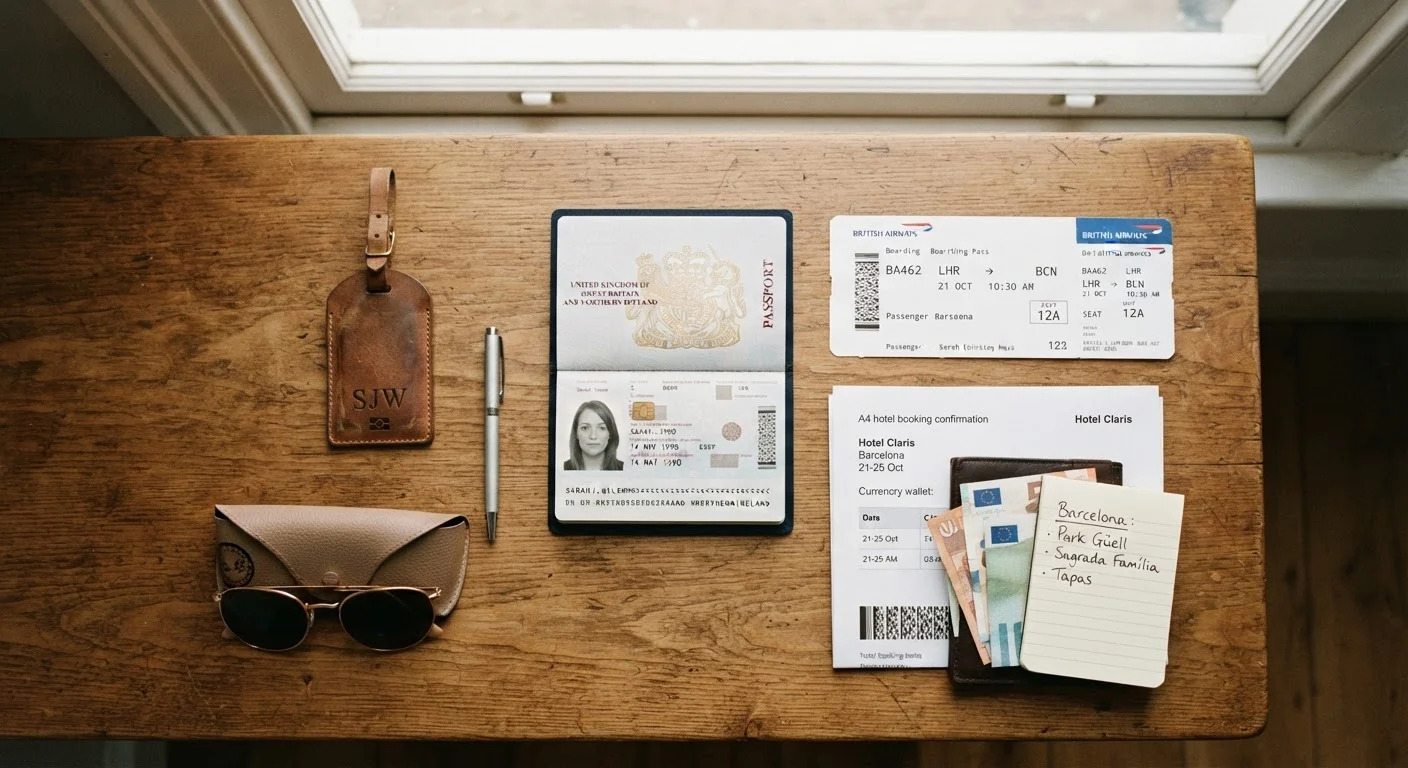
Store digital and physical copies of your documents separately.
Losing your passport or ID in an unfamiliar city is disorienting and slow to resolve. Having a photo of each document in cloud storage and a paper copy in a different bag from the originals speeds up any consular or police process significantly.
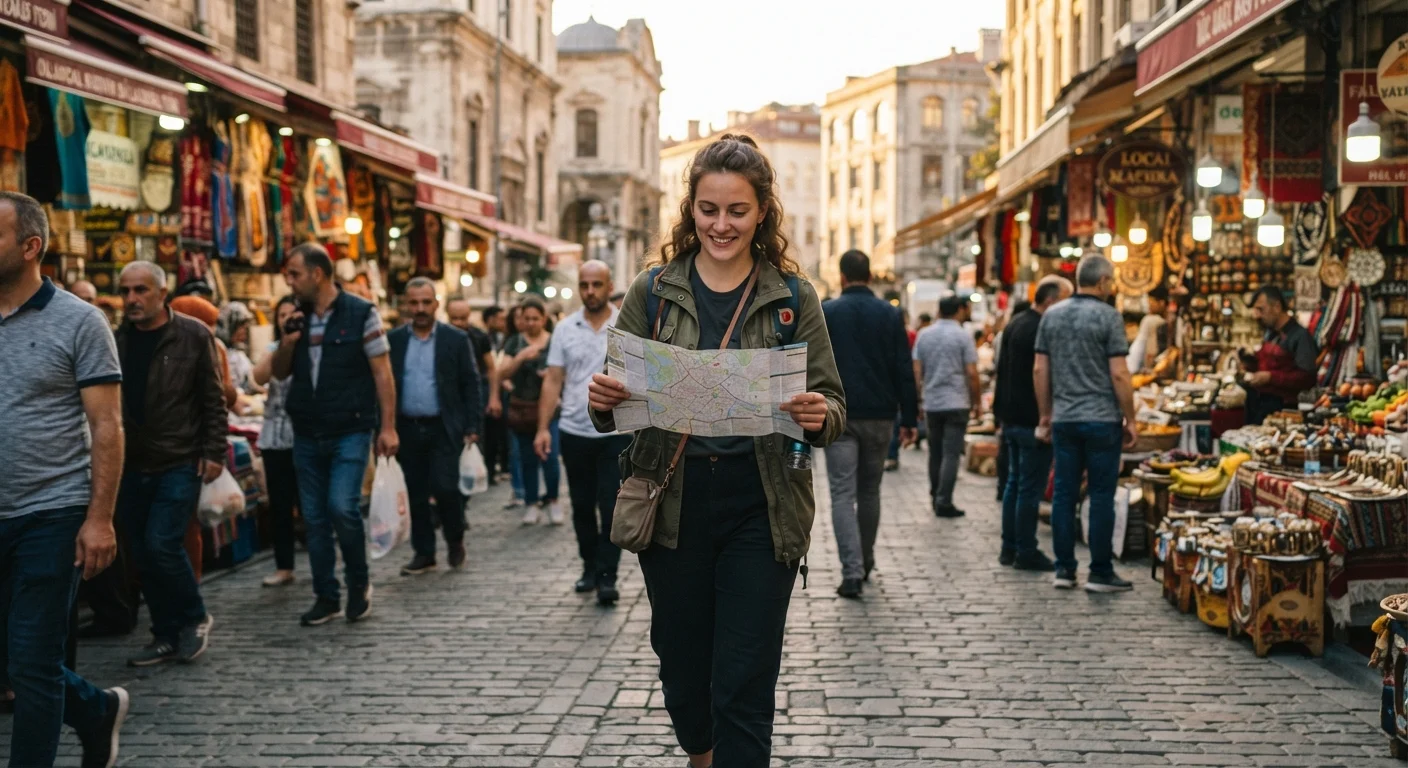
Download offline maps for every city on your itinerary before you land.
Connectivity is unreliable in transit, in basements, and in many international destinations without a local SIM. Standing on a sidewalk squinting at a spinning loading screen marks you as disoriented and slows your movement.
Walk with your head up and your pace consistent.
Opportunistic theft targets people who look confused or distracted. Moving with a settled, purposeful stride signals familiarity with your surroundings, even when you are still getting your bearings.
Share your itinerary with someone at home before each leg of travel.
If something goes wrong, a contact who knows your expected location and check-in schedule can act quickly. This takes about two minutes and costs nothing.
Use secure, low-profile bags and keep valuables close to your body.
Backpacks worn on the back in dense crowds are accessible to anyone standing behind you. A crossbody bag worn in front, or a money belt under clothing, removes most opportunities for grab-and-run theft.
For travelers going it alone domestically, this orientation for solo U.S. travelers covers safety planning in the context of independent travel more broadly.
Staying oriented once you are there
The first hour in any new city is the highest-risk window. You are tired from travel, unfamiliar with the layout, and more likely to make quick decisions without enough information. A few specific habits narrow that window considerably.
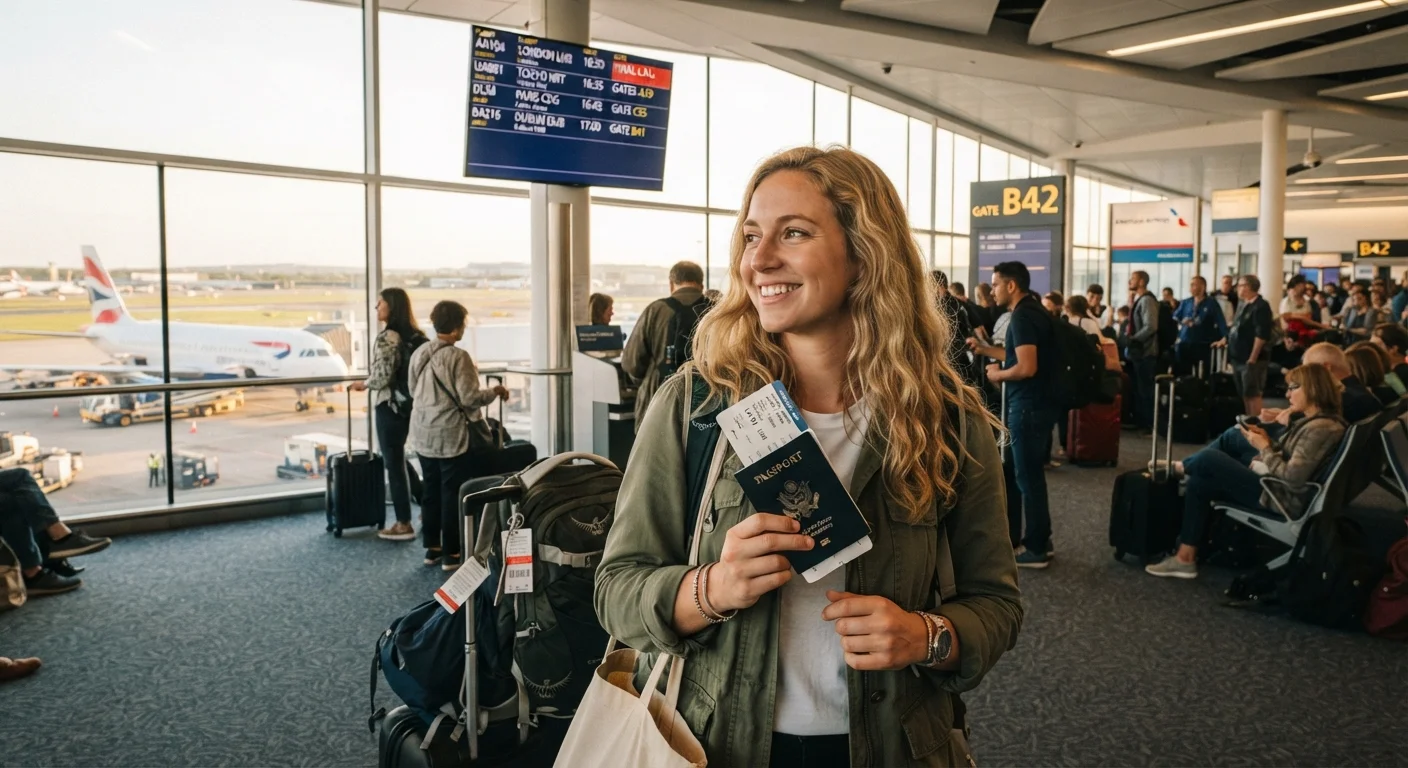
When you land or arrive at a bus or train station, take five minutes before stepping outside to orient yourself. Identify which exit leads to public transit versus taxi stands, and confirm what legitimate transportation looks like in that city. Unofficial taxis near airports and major stations are a consistent source of overcharging and, in some destinations, more serious problems. Navigating transit systems in a city you do not know is a skill that compounds across every trip you take.
Public Wi-Fi at airports and hotels is convenient, but it carries real considerations for your data. Before connecting to open networks, understand what those risks actually are: a realistic look at public Wi-Fi security separates genuine concerns from overstated ones.
Quick habits you can start today
Some of the most effective safety steps take less than five minutes to complete. The three below are worth doing before your next trip regardless of destination.
Packing with safety in mind, from document placement to the type of bag you carry, also connects directly to what you bring. A pre-trip packing checklist can help you think through document copies, medications, and the small items most travelers overlook until they need them.
For a broader look at how safety perceptions around international travel compare with reality, common myths about traveling abroad as an American addresses several assumptions that shape how travelers make decisions, often incorrectly.