
Why renovation myths are so persistent
Home renovation advice spreads through word of mouth, social media, and television programs that compress weeks of messy work into tidy before-and-after segments. That compressed view leaves out permit headaches, hidden rot, and budget overruns. The result is a set of widely shared beliefs that send homeowners in costly directions.
The myths below cover the most common misconceptions about resale value, permits, DIY economics, and project timelines. Understanding where each one breaks down helps you make decisions based on realistic expectations rather than optimism.
Myth
Any renovation you do will increase your home's resale value by at least what you spent.
Fact
Most renovations do not recoup their full cost at resale; returns vary widely by project type and local market.
Home improvement cost-versus-value data published annually by Remodeling magazine consistently shows that most projects return less than 100 percent of their cost at resale. A mid-range bathroom remodel, for example, has historically returned roughly 60 to 70 percent. Projects like a new entry door or garage door replacement tend to perform better than full kitchen overhauls. Resale return also depends heavily on your neighborhood: a luxury upgrade in a modest area may add little to sale price because buyers compare your home to nearby listings.
Renovate for livability and function first. If resale is your primary goal, research which projects have performed well in your specific market before committing.
Myth
You can skip the permit as long as the work looks good and passes a buyer's visual inspection.
Fact
Unpermitted work can trigger fines, force you to undo completed work, and create serious complications during a home sale.
Permits exist so that a licensed inspector can verify that electrical, plumbing, and structural work meets local building codes. When you sell, buyers' agents and lenders often flag unpermitted additions or alterations. In some cases, the seller must obtain a retroactive permit, which may require opening walls to expose work that has already been finished. In others, unpermitted work must be removed entirely.
Local permit requirements vary, so always check with your municipality before starting any project that involves structural changes, electrical circuits, plumbing connections, or additions of living space. A general contractor can help you understand which permits apply and handle the filing process on your behalf.
Myth
DIY is always cheaper than hiring a professional.
Fact
DIY saves money only when you have the right skills and tools; mistakes on complex jobs often cost more to fix than hiring a pro would have.
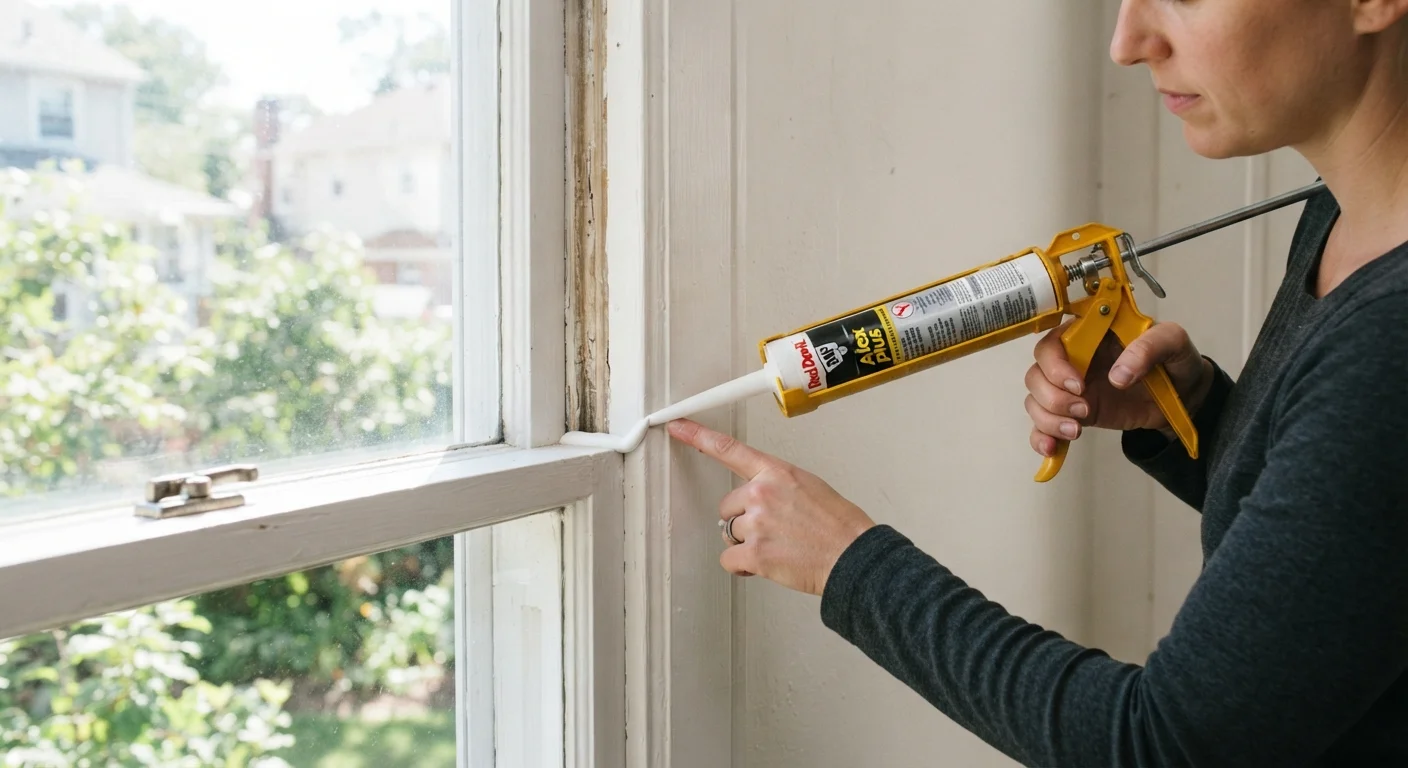
Labor is a real cost, and doing the work yourself eliminates it for straightforward tasks like painting, installing shelving, or replacing light fixtures. However, complex jobs involving tile layout, cabinetry installation, or anything touching electrical panels or gas lines carry meaningful risk of error. A botched tile job, for instance, may require full removal and reinstallation. Tile failures often trace back to skipped steps like improper substrate prep that a professional would not overlook.
Before starting any project yourself, honestly assess whether you have the tools, time, and experience the task requires. For anything involving electricity, gas, or structural elements, consult a licensed professional.
Myth
A fresh coat of paint and new flooring will cover up any problem before you sell.
Fact
Experienced home inspectors and buyers' agents recognize cosmetic cover-ups and will look harder at what is underneath.
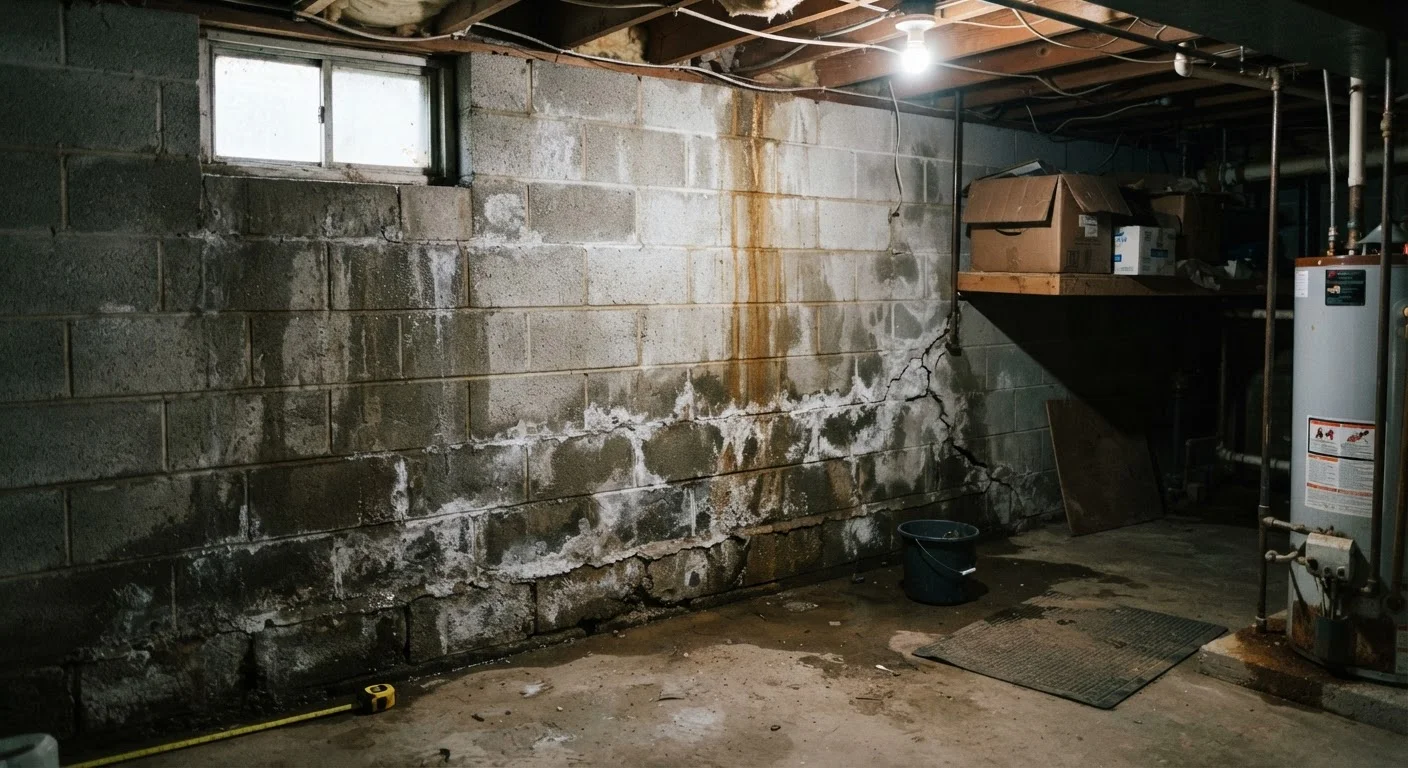
A professional home inspector checks moisture levels, examines structural framing, and looks at mechanical systems. Fresh paint over water-stained drywall does not eliminate the stain; it often makes the surface look suspicious to a trained eye. Similarly, new flooring installed over a subfloor with soft spots or moisture damage will not hold up and may be identified during inspection.
Address underlying problems before applying finishes. Doing so protects the sale and avoids post-closing disputes that can have legal consequences.
Myth
Renovation projects always finish on time and within the budget you set.
Fact
Most renovation projects encounter at least one unexpected problem that extends the timeline or increases the budget.
Opening walls, floors, or ceilings often reveals issues that were invisible beforehand: outdated wiring, water damage, improper framing, or absent insulation. These discoveries require additional labor and materials that were not in the original estimate. A practical approach is to add a contingency of 15 to 20 percent to your budget and build extra time into your schedule before the project starts.
Planning how to phase your work and protecting your household during construction can reduce disruption when timelines shift. For detailed sequencing advice, see how to order renovation tasks correctly so you are not redoing finished work.
Myth
High-end finishes are always worth the extra cost because they signal quality to buyers.
Fact
Finish quality matters, but over-improving relative to comparable homes in your area rarely pays off.
Buyers in a given price range have expectations that align with neighboring properties. Installing imported stone countertops in a home that competes with mid-range listings may not move the sale price, because appraisers and buyers compare your home to recent sales in the same area. The upgrade costs money but does not lift the home's appraised value proportionally.
Mid-grade, well-installed finishes in good condition often perform as well or better than luxury materials at resale. Durability and cleanliness generally matter more to buyers than top-of-the-line specifications. For guidance on where to spend and where to save, prioritizing maintenance spending offers a useful framework.
How to approach your next project with clearer expectations
Every renovation carries some uncertainty, but preparation reduces the risk of expensive surprises. Get at least two written estimates from licensed contractors before committing to a budget. Verify permit requirements with your local building department before work starts, not after. If you plan to clean or prep exterior surfaces, understand which methods are safe for your specific siding material.
For a broader look at similar misconceptions in other areas of homeownership, the plumbing myths that mislead homeowners article covers beliefs that cause real, preventable damage. The home maintenance hub is a good starting point for understanding what routine upkeep actually involves.
Never skip professional review for hazardous work
Electrical panel work, gas line modifications, load-bearing wall removal, and roofing replacements carry serious safety risks and typically require licensed contractors and permits in most jurisdictions. DIY attempts on these systems can result in injury, fire, structural failure, or failed inspections. Always verify local code requirements and consult a licensed professional before starting any of these projects.