Why garage door maintenance matters
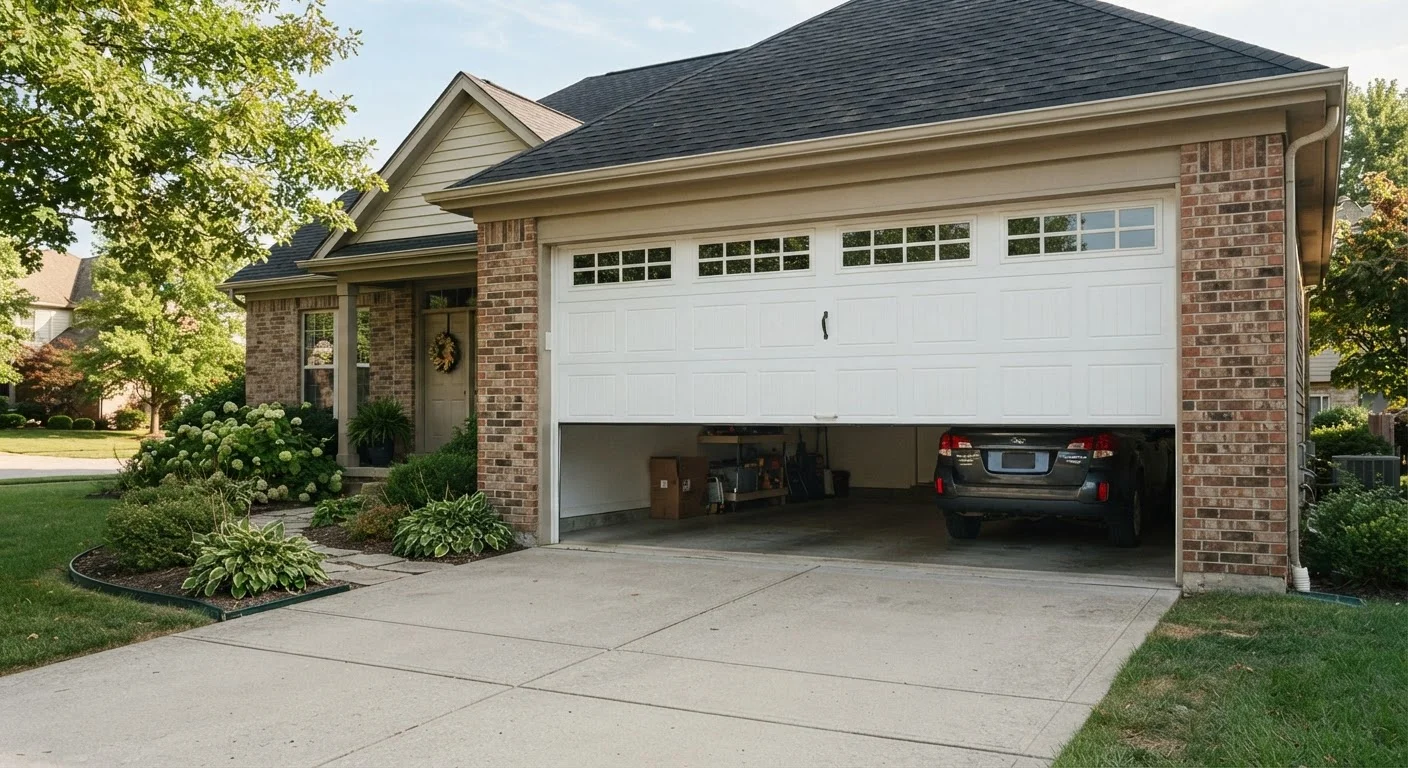
A standard residential garage door weighs between 130 and 400 pounds and cycles up and down hundreds of times each year. That combination of weight and repetition puts real stress on springs, cables, rollers, and tracks. When any of those components fails unexpectedly, the result can range from an inconvenient lockout to a serious injury.
Routine maintenance does not require specialized skills for most tasks. What it requires is a consistent schedule and the judgment to recognize when a job exceeds DIY territory. This checklist covers monthly, seasonal, and annual tasks that keep the door operating safely. For context on drawing that line between DIY and professional work, see our guide on knowing when to call a professional.
Never adjust torsion springs yourself
Torsion springs sit above the garage door and are wound under extreme tension, sometimes hundreds of foot-pounds of torque. A spring that releases suddenly can cause severe injury or death. Any adjustment, repair, or replacement of torsion springs must be done by a licensed garage door technician. If a spring looks damaged, stop using the door and call a professional.
Tools and supplies you will need
Gather these before you start so you are not hunting around mid-inspection.
Garage-door lubricant or white lithium grease
Lubricates rollers, hinges, and tracks without attracting excess dirt.
Socket wrench set
Tightens loose bolts on roller brackets and hinges.
Flathead and Phillips screwdrivers
Used to tighten smaller fasteners and remove panels for inspection.
Soft cloths or rags
Wipes down photo-eye sensors and removes excess lubricant.
2x4 scrap board
Acts as the physical obstacle when testing the auto-reverse feature.
Replacement weather seal
Restores the bottom seal if it is cracked, torn, or letting in light.
Stepladder
Provides safe access to inspect upper tracks, springs, and the opener unit.
The maintenance checklist
Work through these tasks in order. The monthly group takes about five minutes once you know what to look for. The seasonal and annual groups take longer but do not need to happen as often.
Monthly safety checks
Seasonal tasks (every 3 to 6 months)
Annual professional inspection
Budgeting time and money for this checklist is straightforward when you plan ahead. Our home maintenance budget guide can help you prioritize garage door upkeep alongside other household tasks.
Stop using a door that fails the balance test
If your door drops quickly when you release it at waist height, the springs are not providing enough counterbalance. Continuing to use the door in this condition puts excessive strain on the opener motor and creates a risk that the door could fall. Disconnect the opener and contact a technician before resuming normal use.
Do not ignore frayed cables
Lift cables bear the full weight of the door every time it moves. A frayed or kinked cable can snap without warning, causing the door to drop suddenly. If you spot any fraying during your visual inspection, stop using the door and have a professional replace the cable before the next use.