What most drivers can handle at home
A careful home mechanic with basic tools can complete a meaningful range of maintenance tasks without professional help. The common thread is that these jobs have low consequences for a minor mistake, require no specialized equipment, and follow straightforward procedures documented in any quality repair manual.
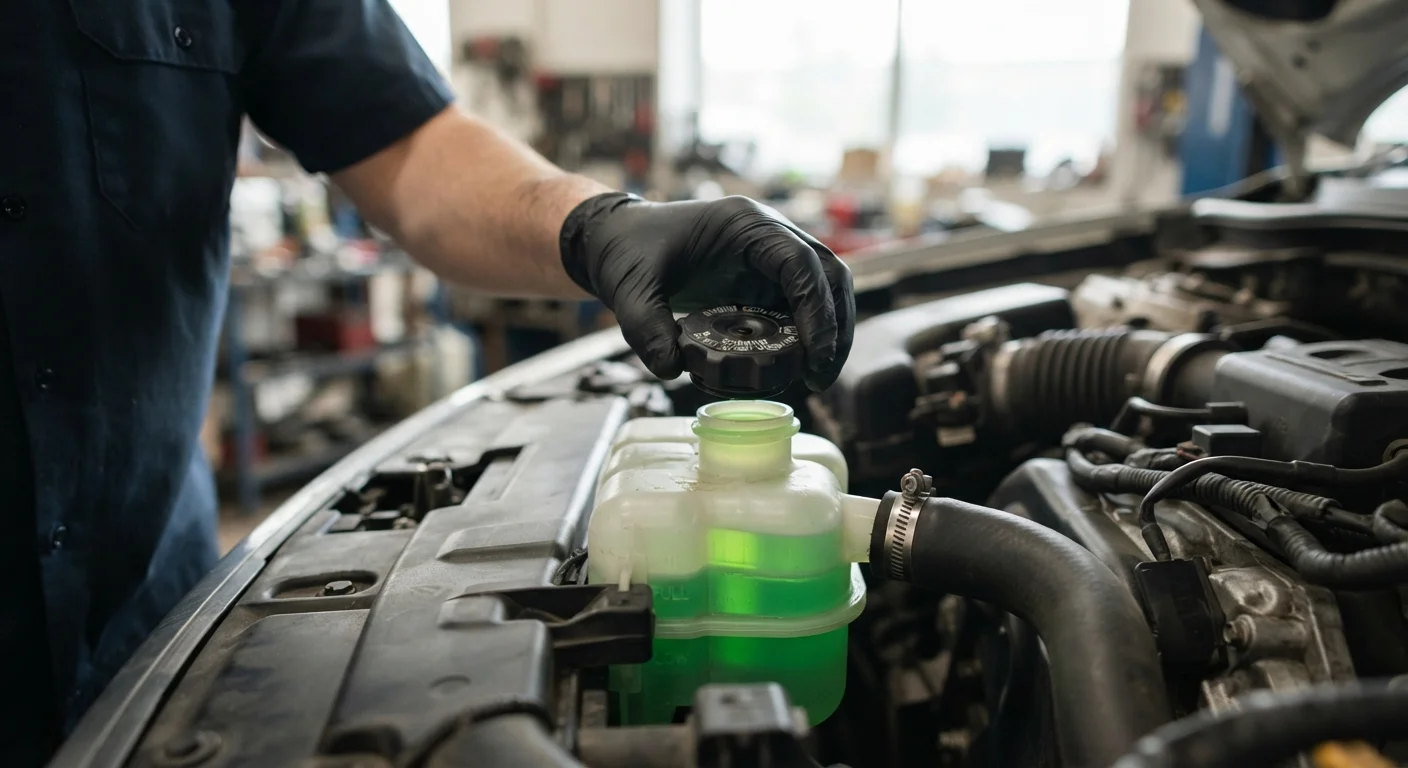
Checking and topping off fluids is one of the most accessible starting points. Engine oil, coolant, brake fluid, power steering fluid, and windshield washer fluid all have clearly marked reservoirs under the hood. The Car Fluids Every Driver Should Know How to Check walks through each one in detail. Checking these weekly or monthly takes minutes and can catch a developing problem early.
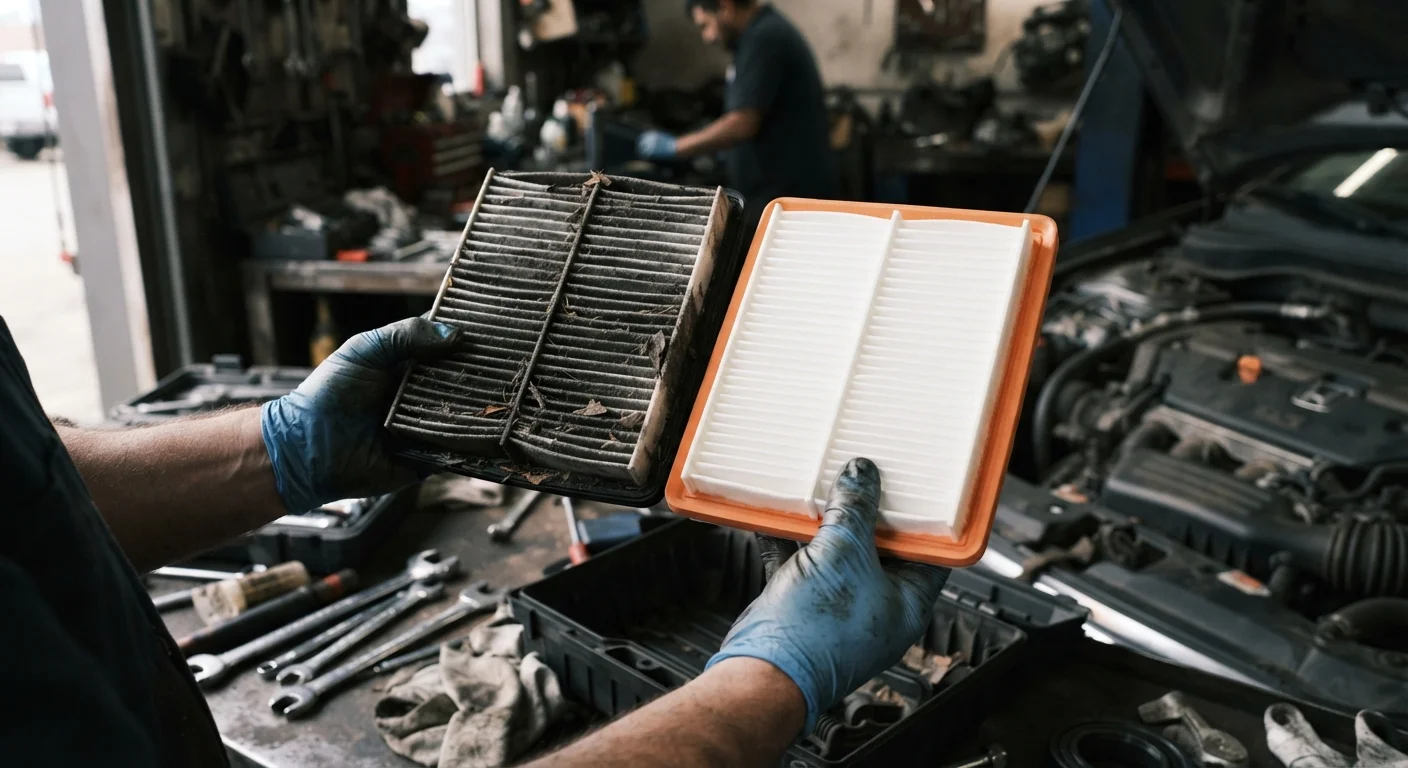
Engine air filter replacement is another task within reach for most people. The filter housing is typically held by clips or a few screws, and swapping the filter requires no mechanical skill beyond following the orientation in the old unit.
Wiper blade replacement, cabin air filter changes, and battery terminal cleaning all fall into the same category: low physical risk, minimal tooling, and clear instructions available for virtually every make and model.
Oil changes are doable at home, though they require more preparation: a drain pan, the correct oil and filter, a torque wrench for the drain plug, and a plan for disposing of used oil responsibly. Many drivers find the time and mess outweigh the modest savings versus a quick-lube shop.
Build a basic home tool kit first
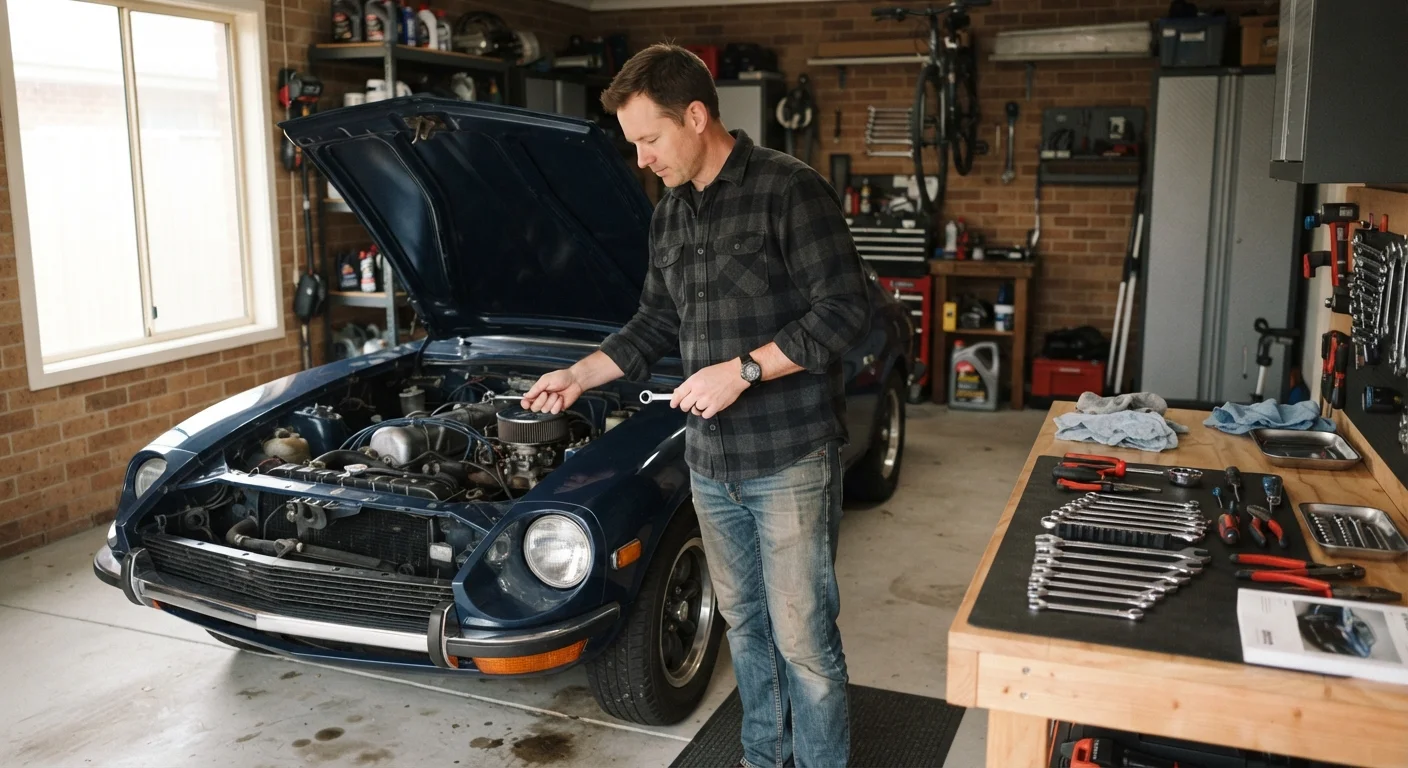
Before starting any DIY maintenance, assemble a set of tools that matches your vehicle's fastener sizes: a socket set in both metric and standard, a torque wrench, pliers, and a drain pan for fluid work. A vehicle-specific repair manual, available in print or through subscription services, is worth adding before the first job. Starting with a complete kit prevents stopping mid-repair because a tool is missing.
Where professional service is the safer call
Some repairs look approachable but carry real safety or legal risk when done incorrectly. Brake system work is the clearest example. Replacing brake pads is a task many guides describe as beginner-friendly, but it also involves compressing caliper pistons, torquing wheel bolts to specification, and verifying rotor condition. An error here does not become obvious until the moment you need stopping power.
Suspension and steering components, including tie rods, control arms, and wheel bearings, require a proper alignment after installation. Without alignment equipment, a technically correct part installation can still leave the car unsafe to drive and will wear tires unevenly within months.
Anything involving the airbag system, including clock spring replacement or steering wheel removal, should go to a professional without exception. Airbag components store electrical charge even with the battery disconnected, and an accidental deployment causes serious injury.
Transmission service is another area where the cost of a mistake is high. Automatic and manual transmissions have different fluid requirements and service procedures, and using the wrong fluid or reassembling a valve body incorrectly can cause irreversible damage to a component that costs thousands to replace.
Electrical diagnosis generally requires scan tools and wiring diagrams that most home mechanics do not own. A mechanic can read live data streams and pinpoint a fault code's root cause rather than replacing parts until the symptom disappears.
The hidden costs of the wrong choice
DIY repairs carry costs beyond parts and tools. If a vehicle is still under a manufacturer warranty, repairs performed outside an authorized shop can complicate warranty claims, particularly if the work touches a system that later fails. Reading the warranty terms before picking up a wrench is worth the time.
A repair attempted and abandoned halfway through, or completed incorrectly, typically costs more at the shop than the original job would have. A mechanic then has to assess and reverse someone else's work before fixing the underlying problem.
There is also the question of liability. A vehicle with a brake or steering repair that contributes to an accident creates real legal exposure. Professional shops carry insurance and stand behind their work with service warranties.
On the other side, unnecessary shop visits for tasks a driver could safely handle at home add up quickly. Knowing which maintenance tasks fall at which intervals helps a driver decide which services are worth scheduling and which can be done in the driveway on a Saturday morning. Drivers who want to build sustainable habits around this should also read about maintenance routines that keep vehicles running past 150,000 miles.
Making the decision for your specific situation
The right question is not whether to do it yourself or hire a mechanic in general. The right question is whether this specific task, on this specific vehicle, with the tools and knowledge currently available, can be completed safely and correctly.
A few practical filters help: Does the repair involve a safety-critical system? Does it require torque specifications or calibration steps that need specialized tools? Is the vehicle under warranty? If any answer is yes, a mechanic is the appropriate choice.
If a task is clearly routine, well-documented for the vehicle, and reversible if done wrong, the home approach is reasonable. Reading the owner's manual service schedule gives a clear picture of what the manufacturer expects at each interval, which is a useful baseline for planning both DIY and shop visits.
Investing in a vehicle-specific repair manual and a basic OBD-II scanner (a device that reads diagnostic codes from the car's computer) expands what a home mechanic can realistically handle while setting a clearer boundary for when professional help is the more responsible option.