The three-season framework most travelers encounter
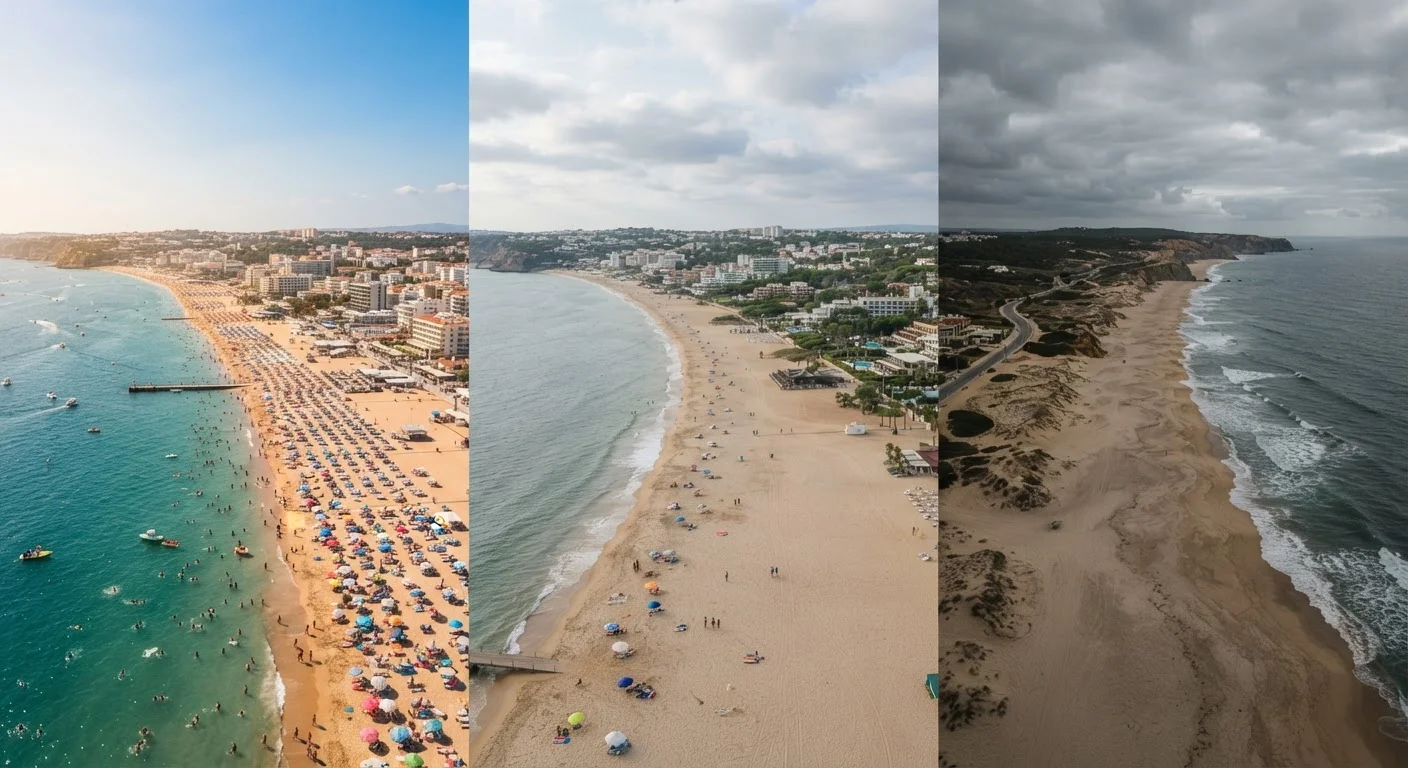
Most destinations fall into a cycle of three broad phases. Peak season is when demand hits its highest point, typically driven by school schedules, favorable weather, or major local festivals. Shoulder season occupies the weeks or months just before and after the peak, when visitor numbers drop but conditions remain reasonable. Off-season is when the fewest travelers show up, often because weather is difficult or major attractions scale back operations.
These phases are not universal or synchronized globally. When New York City peaks in summer, Patagonia is in the middle of its Southern Hemisphere winter. The destinations section covers this kind of regional variation in more detail. The core point: season is always local, and a calendar date means different things depending on where you are going.
Check local public holidays, not just weather
Weather data alone does not capture full seasonal demand. Local public holidays, school break calendars, and major national festivals can push a destination into peak-like conditions even in what looks like a shoulder period on paper. A quick check of the destination country's official holiday calendar takes minutes and can prevent a surprise.
What actually changes between seasons
Price is the most obvious variable. Hotels and airlines adjust rates based on demand, so peak periods typically carry the highest prices for the same room or seat. Availability tightens too, which means popular accommodations and tours book up weeks or months earlier during peak season.
Crowd levels follow a similar pattern. Iconic sites that feel spacious in February can become genuinely difficult to enjoy in July. If a particular experience depends on quiet or easy access, visiting outside the peak window changes it substantially.
Weather is a third factor, and it cuts both ways. Peak season usually coincides with the most dependable conditions, but not always. Coastal destinations in the American Southeast peak in summer despite hurricane season running from June through November. The regional breakdown of South America shows how dramatically seasonal conditions vary even within a single continent.
June-November
Atlantic hurricane season for coastal U.S. travel
The National Oceanic and Atmospheric Administration (NOAA) defines the Atlantic hurricane season as June 1 through November 30, overlapping with peak summer travel to many coastal destinations.
3-6 months
Typical advance booking window for peak-season accommodations
Travel industry guidance generally recommends booking popular accommodations three to six months ahead for peak-season travel at high-demand destinations, though this varies by location.
Shoulder season: the case for timing your trip carefully
Shoulder season is genuinely worth understanding rather than treating as a vague afterthought. In practical terms, it often means accommodation prices 20 to 40 percent lower than peak rates, shorter waits at popular sites, and locals who are less stretched by tourist volume. Weather may be slightly less predictable, but many shoulder periods offer conditions that are nearly as good as peak.
European cities like Rome or Lisbon in late September or May tend to have comfortable temperatures, manageable crowds, and easier restaurant reservations. Caribbean islands in late April or early May sit just before hurricane season begins and after the winter peak, which can make for pleasant conditions with more availability. None of this is guaranteed, but the pattern holds often enough to make shoulder season a reasonable starting point for planning.
For group trips especially, the logistics get easier when demand is lower. See the group travel planning guide for how season timing interacts with the challenge of coordinating multiple schedules.
Off-season travel: real trade-offs to weigh
Off-season travel is not a straightforward win. Some destinations are genuinely better to skip in the off-season because core attractions are closed, transportation options are reduced, or weather makes outdoor activities impractical. A beach town with shuttered restaurants and a cold, choppy sea is a different experience from what most travelers are seeking.
That said, some destinations hold up well year-round and reward travelers who visit during quiet months with more access to locals, lower costs, and a less curated experience. Cities with strong cultural infrastructure, such as museums, food scenes, and architecture, tend to be more resilient to seasonal slowdowns than nature-based destinations that depend on specific conditions.
If you are weighing whether a destination suits off-season travel, consider what you actually want to do there. The article on urban versus nature-based travel preferences is a useful frame for this decision.
How to build season into your trip planning
Start by identifying the destination's local calendar rather than defaulting to North American school schedules. Look at historical weather data, local festivals, and any conservation or access restrictions. Some national parks and wildlife reserves have seasonal closures or visitor caps that operate independently of broader tourism patterns.
Dates that flex by even a few days can shift which phase you land in. The guide to flexible travel dates explains how small adjustments affect pricing and routing. If your destination has health-related seasonal considerations, such as peak mosquito activity or regional disease patterns tied to rainy seasons, check those against your travel calendar. The full overview of travel vaccinations and health prep covers timing factors worth building into your planning process.
Once you know which season you are entering, you can set realistic expectations: book earlier for peak travel, build flexibility for shoulder periods, and research what is actually open before committing to an off-season itinerary.