
Why group trips go sideways before they even start
Most group travel friction is not about the destination. It comes from unspoken assumptions: one person pictures a budget guesthouse, another expects a hotel with a pool. Someone assumes meals are a group activity; someone else wants to split off every evening. When those gaps surface mid-trip, they create real tension.
The fix is front-loading the hard conversations. A single planning call or group chat thread where everyone states their travel style, daily budget range, and non-negotiables takes less than an hour and prevents days of friction. For an honest comparison of what group travel actually involves, see this breakdown of solo versus group travel.
Timing matters too. Seasonal conditions affect availability and price, and in a group, you are coordinating multiple calendars. The earlier you lock in dates, the more options remain open.
Assigning roles without creating resentment
Every group trip needs a logistics lead: one person who holds the master itinerary, monitors booking deadlines, and sends reminders. This is not a prestige role; it is an administrative one, and it should rotate on future trips.
Beyond the lead, distribute tasks by interest or skill. The person who loves spreadsheets can track shared expenses. The one who researches restaurants for fun can handle dining. Someone with flexibility can coordinate transportation pickups. When people own tasks they actually chose, follow-through is far higher.
Name a logistics lead before any bookings are made.
Without a designated coordinator, decisions stall and tasks fall through the gaps. One person with a clear mandate moves the group forward without requiring consensus on every step.
Agree on a daily budget range in the first planning conversation.
Budget mismatches cause more group conflict than scheduling disagreements. A shared range lets each person book within their comfort while keeping the group's plans compatible.
Put all confirmations and addresses in one shared document.
Information scattered across texts and emails is easy to lose under pressure. A single reference document cuts confusion during transit and reduces panic when plans shift.
Schedule at least one free half-day for every two to three travel days.
Groups move slower than individuals. Built-in buffer time absorbs delays, energy differences, and spontaneous detours without derailing the rest of the itinerary.
Agree before departure that splitting up for activities is acceptable.
Forcing full group participation in every activity builds resentment and exhausts people who have different interests or energy levels. Planned flexibility keeps everyone happier.
For larger groups, consider a two-tier structure: one central coordinator and one point person per subgroup (families within a family reunion trip, for example). That structure mirrors what works in professional settings, where splitting tasks by working mode prevents bottlenecks.
Building a shared system everyone will actually use
A group chat is fine for quick questions but poor for storing information. Confirmations, addresses, check-in times, and emergency contacts buried in a message thread are hard to find at 11 p.m. in an unfamiliar city.
A shared document, whether a simple Google Doc or a free travel-planning app, gives everyone a single place to look. Include the itinerary, booking confirmation numbers, accommodation addresses, and a short list of local emergency contacts. Organize it chronologically so people can scan by day.
For international trips, that document should also hold visa requirements and entry documentation reminders. The full walkthrough for international trip planning covers what travelers commonly overlook before crossing borders.
Managing money without awkwardness
Money is where group trips most commonly stall or sour. Agree on a per-person daily budget range before any bookings happen. This does not mean everyone must spend identically, but it sets a reference point so that one person is not consistently subsidizing others or feeling left behind.
Designate one payment method for shared group expenses (shared lodging, group tours, rental vehicles) and settle up at the end of each day or every two days rather than waiting until the final night. Apps that split expenses make the math transparent and reduce the chance of disputes.
Some group decisions carry more financial weight than others. Certain bookings are harder to reverse than they look, so get group confirmation before committing to non-refundable reservations. A quick group poll before clicking confirm takes thirty seconds and prevents weeks of regret.
Leaving room for the trip to breathe
A packed itinerary that works for one traveler will exhaust a group. People move at different speeds, interests diverge, and someone always needs an unplanned stop. Build at least one unscheduled half-day into every two or three days of travel.
Agree in advance that splitting up is not a failure. Some days, two people might visit a museum while others rest or explore a neighborhood market. Reconnecting for dinner keeps the group connected without forcing everyone through identical activities.
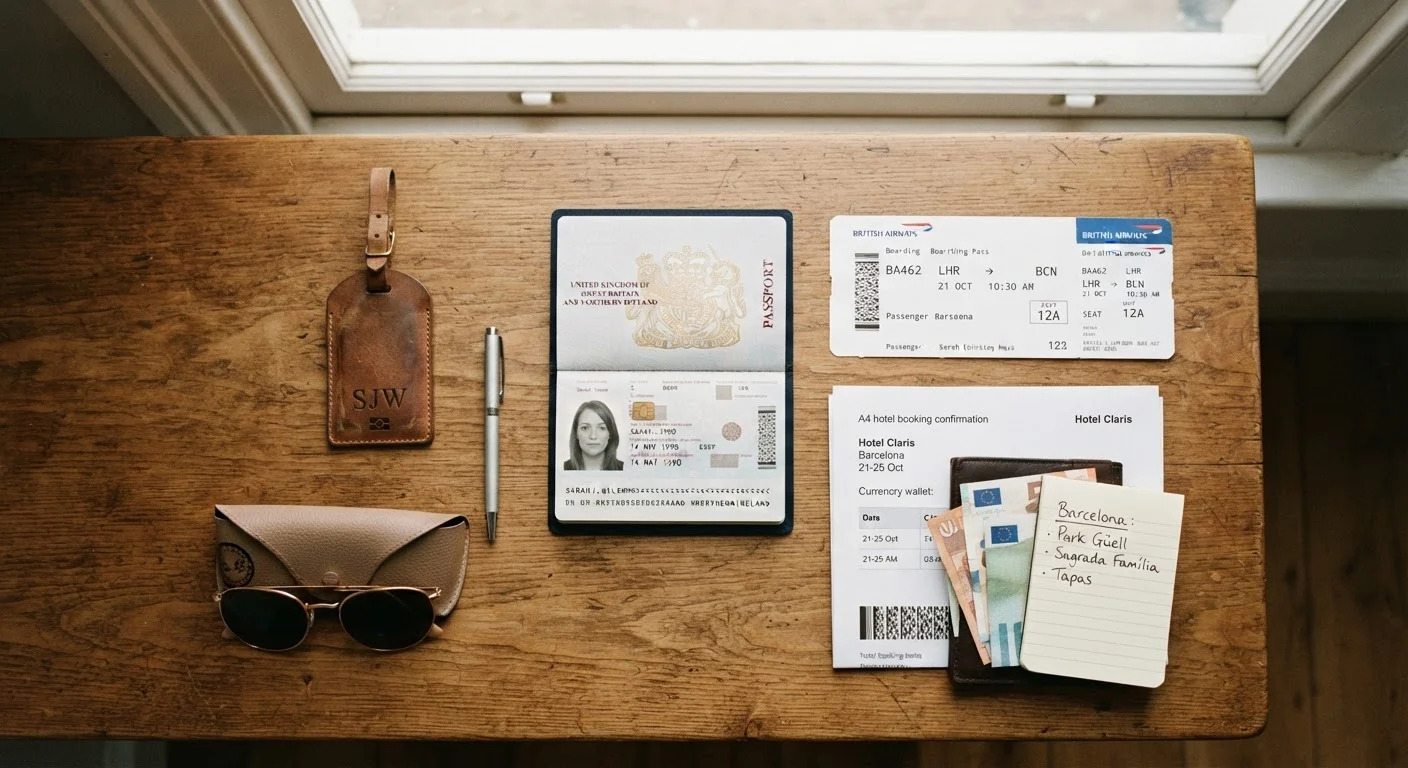
Before departure, make sure everyone has handled their individual logistics. The pre-trip packing checklist is a good personal reference so no one holds up the group at the airport because they forgot a document or medication.
If the trip involves a long drive, road trip planning basics covers vehicle prep and overnight logistics that apply just as much to a caravan of friends as to a solo driver.