Why South America rewards regional thinking
South America covers roughly 6.9 million square miles, which is larger than the contiguous United States and Europe combined. Treating it as one destination misses how different the continent's zones actually are. A trip to the Atacama Desert involves completely different gear, altitude preparation, and logistics than a trip to the Amazon rainforest or to Buenos Aires. Thinking by region first makes planning far more practical.
The continent divides broadly into six zones that travelers consistently navigate: the Andes corridor, the Amazon Basin, Patagonia, the Atlantic coast and Southern Cone cities, the northeast coast and tropical lowlands, and the Galapagos and Pacific island outliers. Each has its own dry and wet seasons, so the concept of a single "best time to visit South America" is not particularly useful. What travel seasons actually mean becomes especially important here, because what counts as peak season in Patagonia (austral summer, November through March) is the opposite of peak season in the Amazon.
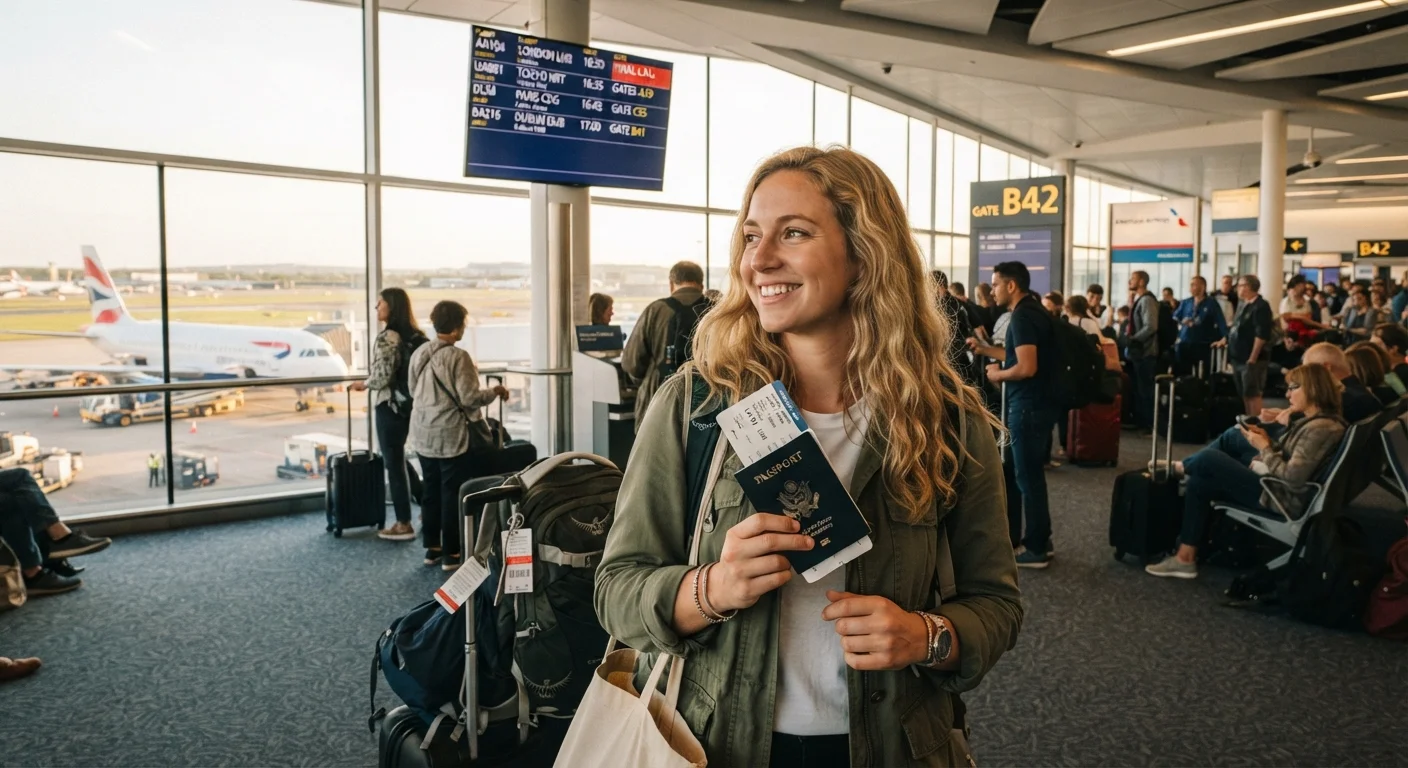
U.S. travelers generally need a passport and, for most South American countries, no advance visa. Brazil reinstated visa requirements for U.S. citizens in 2024; always verify current entry requirements directly with the relevant embassy or the U.S. State Department before booking.
The Andes corridor
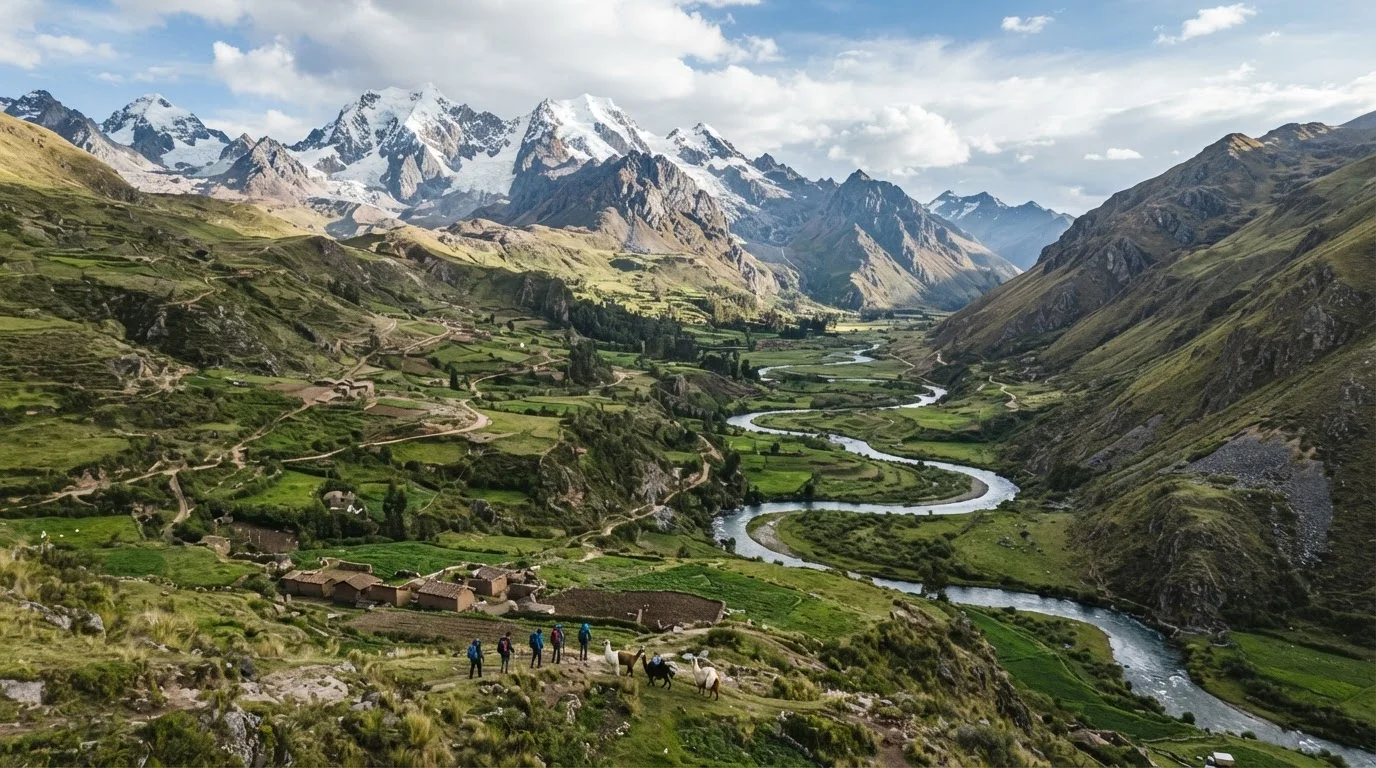
The Andes run the entire western length of the continent, roughly 4,500 miles from Colombia in the north to Tierra del Fuego in the south. Within that spine, travelers move through wildly different environments: the driest desert on Earth in northern Chile, the salt flats of Bolivia, high-altitude Lake Titicaca straddling Peru and Bolivia, and the colonial cities of Quito and Cusco.
Altitude is the defining practical consideration. Cusco sits at about 11,200 feet; La Paz, Bolivia, at over 11,900 feet. Altitude sickness (also called acute mountain sickness) is a real risk, and most travel medicine guidelines recommend acclimatizing gradually. Consult a doctor before traveling to high-altitude destinations, particularly if you have any cardiovascular or respiratory conditions.
Peru draws the most American visitors in this corridor, largely because of Machu Picchu and the surrounding Sacred Valley. Ecuador's Galapagos Islands technically fall under this country's jurisdiction, though they function as a separate destination discussed below. Colombia's Andes zone includes Medellin and the coffee-growing region (Eje Cafetero), which have grown steadily in popularity among U.S. travelers.
If altitude sickness concerns you, spend your first two nights in a city at moderate elevation (like Quito at 9,350 feet) before ascending to higher destinations like Cusco or La Paz.
Gradual ascent is the most widely recommended strategy for reducing acute mountain sickness, and starting in a mid-altitude gateway gives your body measurable adjustment time.
Book Patagonia trekking permits and lodge beds at least six months before your intended travel dates, not six weeks.
Demand for Torres del Paine's circuits and nearby accommodations consistently outpaces supply during the November-to-March window, and last-minute availability is genuinely rare.
The Amazon Basin
The Amazon Basin covers about 40 percent of South America and spans parts of nine countries. Brazil holds the largest share, but meaningful Amazon access also exists in Peru, Ecuador, Colombia, and Bolivia. The rainforest is not a single experience: canopy lodges in the Peruvian Amazon near Iquitos feel very different from river cruises departing Manaus in Brazil.
The primary practical challenge is access. Most Amazon entry points require a flight to a gateway city (Manaus, Iquitos, Puerto Maldonado, or Leticia, depending on the country), followed by a boat or small plane to a lodge. Infrastructure is limited by design in many protected areas, and that remoteness is part of the draw. Budget travelers can find more affordable options in Ecuador's Amazon (Oriente region) than in Brazil.
The dry season, which runs roughly June through October in much of the Brazilian Amazon, makes land and wildlife viewing easier. The wet season brings flooded forests that allow canoe travel through jungle canopy but can limit overland movement. Neither season is wrong; they are genuinely different experiences.
Patagonia and the far south
Patagonia is the one South American region that most Americans picture when they think of extreme wilderness. It spans the southern third of both Argentina and Chile, and the two countries' Patagonian zones differ considerably. Argentine Patagonia is drier and flatter, with steppes leading to glaciers near El Calafate. Chilean Patagonia is wetter and more jagged, anchored by Torres del Paine National Park and the fjords of Chilean Tierra del Fuego.
Traveling here requires planning well ahead. Popular trekking circuits, particularly the W Trek and the O Circuit in Torres del Paine, book up months in advance for the November-to-March high season. Accommodation inside and near the parks is limited. Punta Arenas (Chile) and El Calafate (Argentina) are the main gateway cities, both reachable by domestic flights from Santiago and Buenos Aires respectively.
Weather changes fast, even in summer. Patagonian winds are not a cliche; they can make hiking genuinely difficult for unprepared visitors. Layering and waterproof gear are practical necessities, not optional extras.
The Atlantic coast and Southern Cone cities
Buenos Aires and Rio de Janeiro function more like European or North American cities than like remote adventure destinations. Both have international airports with direct flights from U.S. hubs, extensive public transit, wide hotel and hostel options across price ranges, and strong food and cultural scenes. Montevideo, Uruguay's capital, is a short ferry or flight from Buenos Aires and offers a quieter alternative with a similar cultural feel.
Rio sits in a subtropical coastal zone with warm weather year-round; January and February are its wettest months and coincide with Carnival, which dramatically affects prices and crowds. Buenos Aires has a temperate climate: Argentine spring (September through November) and fall (March through May) are the most comfortable periods. Caribbean island travel follows different seasonal logic entirely, which is worth noting if you are comparing coastal Latin American destinations.
Brazil's northeastern coast, anchored by cities like Fortaleza, Natal, and Salvador, is technically part of the Atlantic coast but functions as its own travel zone with distinct cultural influences and a more tropical, budget-accessible vibe than Rio.
The northeast coast and tropical lowlands
Brazil's northeast gets far less attention from American travelers than it deserves. The region has its own dry season (roughly July through January for most of the coast), white-sand dune landscapes like Lencois Maranhenses, and Afro-Brazilian cultural heritage concentrated in cities like Salvador da Bahia. Flights from the U.S. to Fortaleza or Recife exist but are less frequent than those to Rio or Sao Paulo, often requiring a connection.
The Pantanal, a vast seasonal wetland shared by Brazil, Bolivia, and Paraguay, falls into the tropical lowlands zone. It is arguably the best place in South America for wildlife viewing, with higher animal density and more open terrain than the Amazon. The dry season (May through September) concentrates wildlife around water sources and is considered the prime time to visit.
Venezuela's Caribbean coast and Colombia's Caribbean coast (Cartagena, Tayrona) also fit loosely into this zone, though each has its own entry considerations. U.S. travelers should review current U.S. State Department travel advisories for Venezuela before any planning.
Planning around regions
South America works well as a multi-region trip if you have two weeks or more, but most itineraries benefit from choosing one or two regions rather than trying to touch everything. The continent's size means internal flights are often as necessary as international ones; overland travel between regions can take days.
Budget travelers find the most accessible pricing in Bolivia, Ecuador, Colombia, and northeast Brazil. Argentina's costs vary based on currency exchange conditions, which shift frequently. Peru and Chile offer mid-range options across most destination types. Patagonia, particularly Chilean Patagonia, tends to be the most expensive zone on the continent for accommodation and park infrastructure.
For Americans comparing destination types, South America's regional variety is comparable in scope to the contrast between, say, U.S. national park regions or Central America's country-by-country differences. Picking the region that matches your interests, budget, and physical comfort level is a more reliable path to a good trip than chasing a single iconic site without context.
Travel conditions, visa requirements, and safety advisories change. Verify all entry requirements, health recommendations, and current travel advisories with official government sources before booking.