Why visibility maintenance gets skipped
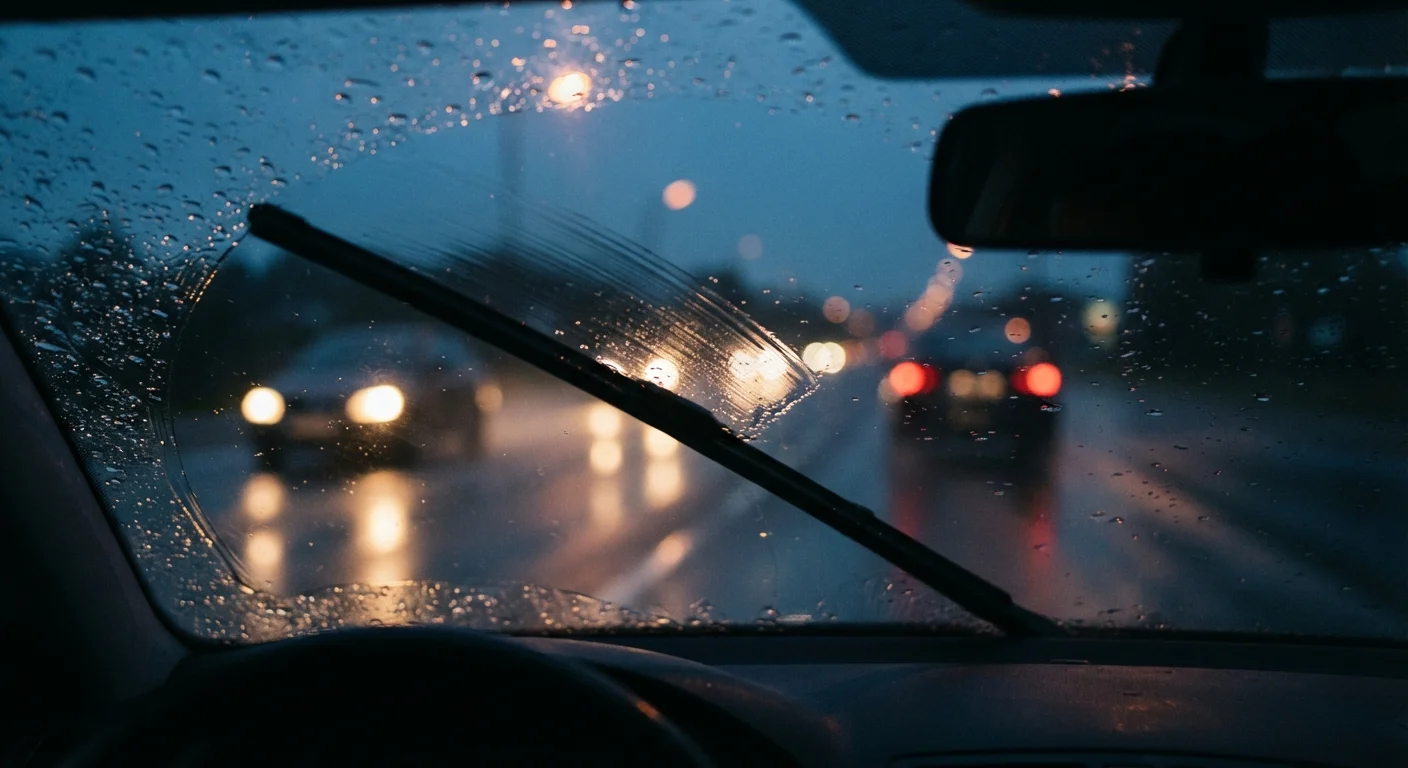
Most drivers notice a squeaking wiper or a dim headlight only when conditions make the problem impossible to ignore, usually in heavy rain or on an unlit highway at night. By that point, the issue has existed for weeks or months. Visibility-related components degrade gradually, which means there is rarely a single dramatic moment that prompts action.
The checks in this article cover every part of your vehicle that directly affects how well you see the road and how visible your car is to others. They do not require special tools for the most part, and the whole audit takes under an hour. For a broader picture of how these tasks fit into your overall maintenance calendar, see car maintenance intervals every owner should know.
Some bulb and lens replacements need a mechanic
Many modern vehicles use sealed headlight assemblies or high-intensity discharge (HID) and LED units that carry high voltage and require specialized tools to service safely. If accessing the bulb requires removing bumper components or working near high-voltage ballasts, have a qualified mechanic handle the replacement. Attempting repairs on HID systems without proper training carries a real risk of serious electrical injury.
What you need before you start
Gather these items before working through the checklist. Having them on hand lets you complete the audit and any immediate fixes in one session.
Replacement wiper blades
Swap out blades that fail the smear or edge inspection during the audit.
Washer fluid (winter-rated if in a cold climate)
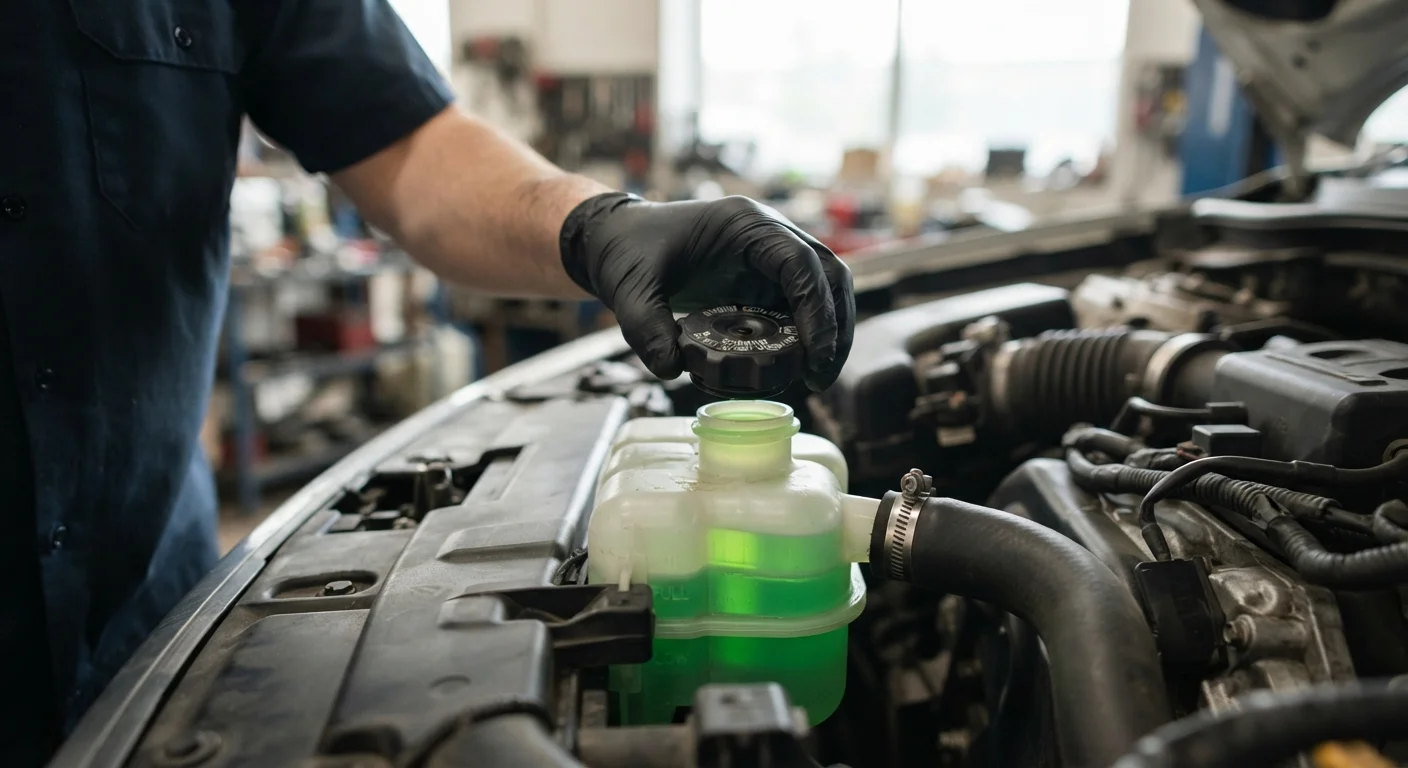
Refill the reservoir and prevent nozzle freezing at low temperatures.
Glass cleaner and microfiber cloths
Clean windshield, rear glass, and all mirrors inside and out for accurate inspection.
Headlight restoration kit
Remove UV oxidation from hazy or yellowed headlight lenses without replacing them.
Fine pin or wire
Clear blocked washer nozzle openings to restore correct spray pattern.
Replacement bulbs (check your owner's manual for correct type)
Replace any burned-out headlight, taillight, or turn-signal bulbs found during the walkround.
The visibility checklist
Work through each group in order. Flag any item that fails so you can address it immediately or schedule a repair.
Wiper blades
Washer fluid and nozzles
Headlights and taillights
Mirrors and glass
How to read what you find
A wiper blade that smears rather than clears is the most straightforward failure: replace it. Blades with rubber that has stiffened, cracked along the edge, or separated from the frame will not seal against the glass properly regardless of how the rest of the blade looks. In cold climates, silicone-blend blades generally hold up longer than standard rubber, though no blade lasts indefinitely.
Headlight lenses that look hazy or amber-tinted are affected by UV oxidation. Many drivers assume the bulb is the problem, but a new bulb behind a cloudy lens still produces a weak beam. Restoration kits exist for moderate oxidation, though severely damaged lenses may need replacement. If your vehicle has projector-style headlights, aim matters as much as output: a misaligned beam can blind oncoming drivers while leaving the road ahead poorly lit.
Defrosters are easy to overlook because they work invisibly. A quick visual check of the rear defroster grid for broken lines, combined with testing the blower on the front, confirms function before you need it on a cold morning. Pair visibility checks with the habit of checking your vehicle's blind spots, since mirror condition and adjustment directly affect what you can see in those areas.
If you are preparing for a longer trip, fold these checks into a full pre-trip vehicle safety check so nothing gets missed under time pressure.