Why a pre-trip check matters
Most vehicle breakdowns on long drives are not random. Tire blowouts, overheating, and dead batteries are typically the result of a known condition that was not caught in time. A 20-minute walk-around before you leave gives you the chance to catch those conditions while you are still in the driveway, not on an interstate shoulder.
This checklist is designed for drivers heading out on a trip of two hours or more, though the same checks apply to any drive. Work through each group in order. If you find something that needs professional attention, schedule it before the trip rather than hoping it holds.
For the broader picture of what to bring along in case something does go wrong, see what safety-minded drivers keep in the car. And if you are planning the full trip, road trip planning from scratch covers routes, budgeting, and overnight logistics.
Tires
Lights and visibility
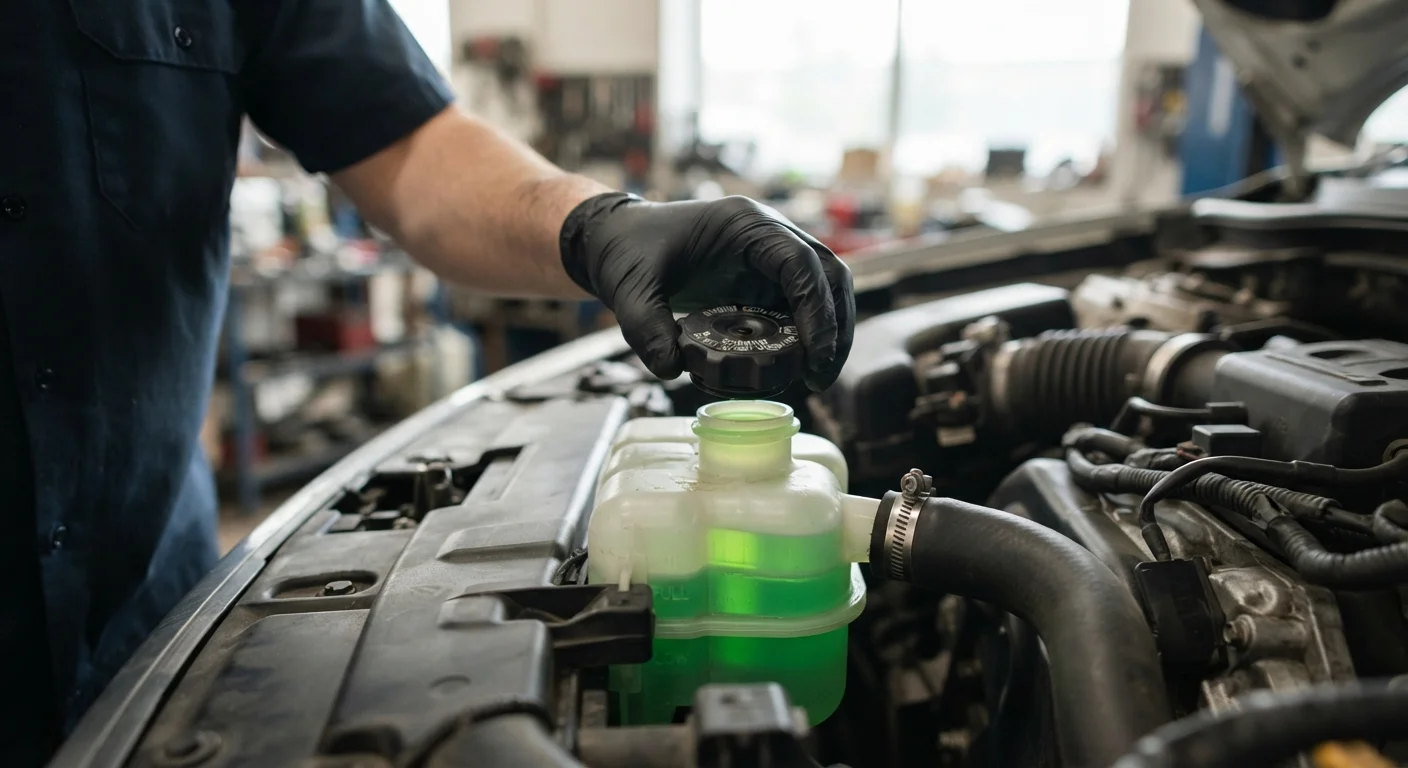
Fluids
Electrical and mechanical
Cargo and load
Tools you will need
You do not need a mechanic's toolkit to run these checks. A handful of basic items cover everything on this list.
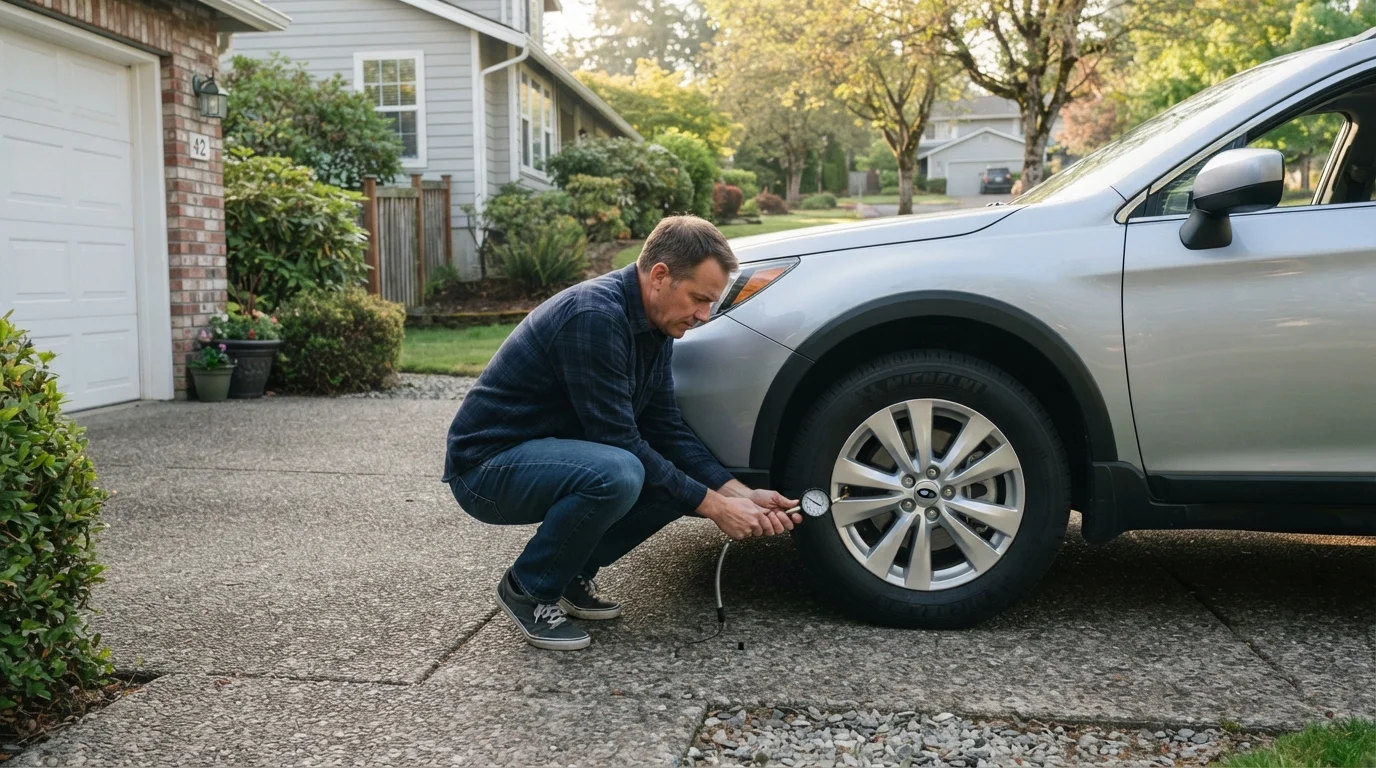
Tire pressure gauge
Measures actual tire pressure in PSI so you can compare against the vehicle's door jamb specification.
Penny or quarter
Used to perform a quick tread depth check on each tire.
Clean microfiber cloth
Wipes down headlight lenses, mirrors, and the inside of the windshield for clear visibility.
Flashlight
Lets you inspect tire sidewalls, under-hood fluid levels, and lighting components in low-light conditions.
Paper or digital copy of this checklist
Keeps you systematic and ensures no group is skipped when working through the inspection.
How to use this checklist effectively
Print or save this checklist and go through it the evening before departure rather than the morning of. That gives you time to address any issue you find, whether that means adding air to a tire, topping off washer fluid, or booking a quick service appointment.
Pay the most attention to tires and lights. Tires affect handling, braking distance, and fuel efficiency all at once. A tire that looks fine visually can still be significantly under-inflated. Use a gauge every time. Lights are a legal requirement in every state, and a burned-out bulb is easy to miss because you rarely see your own vehicle from the outside at night.
Visibility-related checks, including wiper condition and headlight aim, deserve more attention than most drivers give them. Wiper blades, headlights, and the visibility checks most drivers skip walks through each one in detail.
Once you are on the road, your driving habits affect vehicle condition over the long term. Safe driving habits that reduce long-term wear covers how smooth acceleration and consistent tire care extend the life of the same components you just checked.
Do not ignore a persistent warning light
A check engine light, tire pressure warning, or brake system indicator that stays on after startup is not safe to ignore on a long drive. Some indicate conditions that can escalate quickly under highway load. Have the vehicle diagnosed by a qualified mechanic before departing if any warning light remains active.