Why car ownership costs catch so many drivers off guard
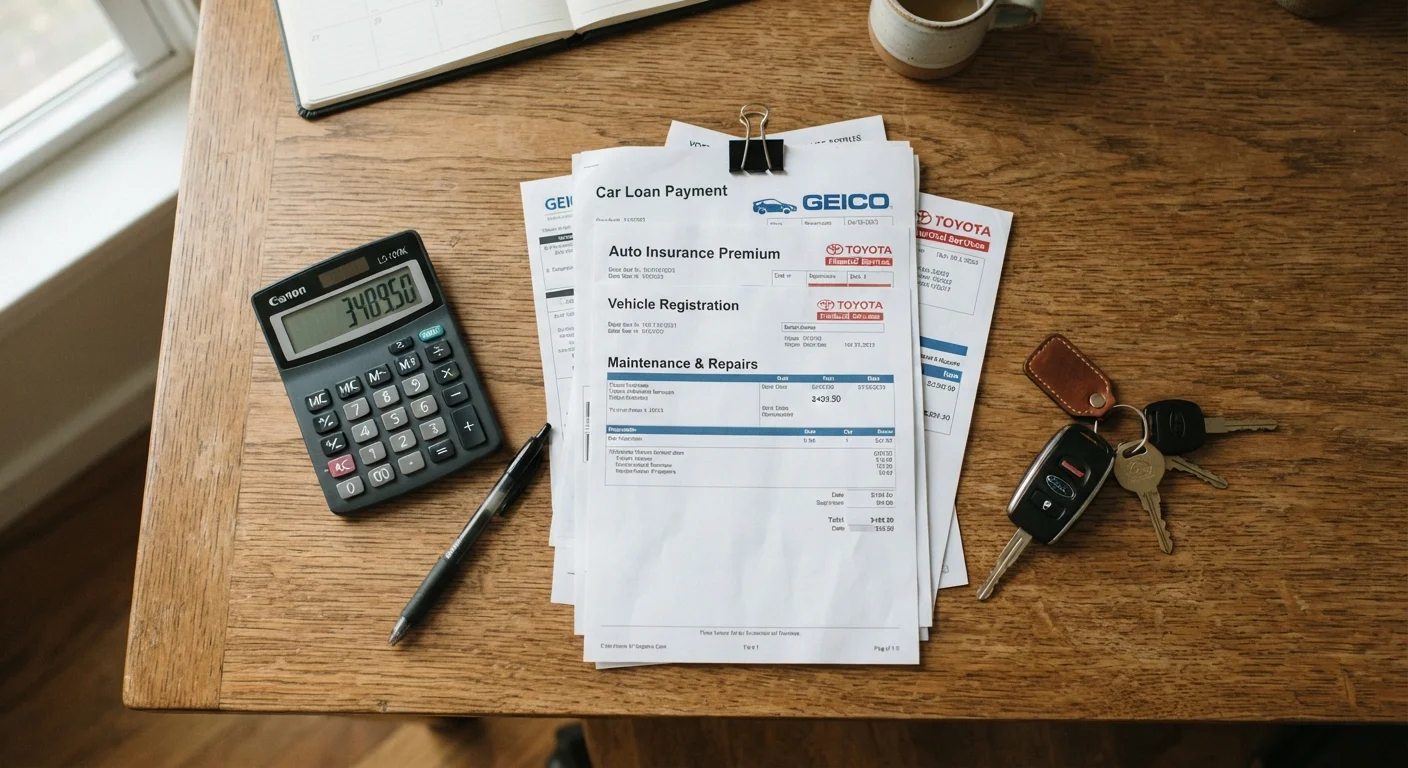
Most Americans focus on the monthly payment when deciding whether they can afford a car. That number is visible, predictable, and easy to compare against a paycheck. The problem is that the monthly payment covers only the financing portion of ownership. Fuel, insurance premiums, registration fees, maintenance, and depreciation all run alongside it, and together they routinely exceed the loan payment itself.
The full picture of vehicle ownership costs is something many drivers only discover after the purchase. The myths below are the most common reasons that happens.
Myth
Once a car is paid off, it barely costs anything to own.
Fact
Fuel, insurance, maintenance, and registration continue regardless of whether a loan is active.
A paid-off vehicle eliminates the loan payment, but ongoing costs persist. Insurance premiums, annual registration fees, routine maintenance, and fuel remain. On a typical passenger vehicle, those costs can run several thousand dollars per year depending on the model, mileage driven, and location. Older vehicles that are paid off also tend to require more repair spending as components wear. The absence of a monthly payment does not mean low-cost ownership.
Myth
Paying cash always saves you more money than financing.
Fact
Whether cash or financing costs less depends on the interest rate available and what the cash could otherwise earn.
Cash buyers avoid interest charges, which is straightforward. What the calculation often omits is opportunity cost: money used to purchase a vehicle outright is no longer available for other uses, including savings or investments that may carry a return. When financing rates are low relative to what the cash would otherwise earn, financing can result in a better financial outcome over the ownership period. This is general financial education, not personalized advice; individual circumstances vary and a financial professional can help apply this to a specific situation. The comparison between owning outright and leasing explores how different payment structures affect total cost.
Myth
Newer cars are always cheaper to insure than older ones.
Fact
Insurance premiums depend on repair costs, theft rates, safety ratings, and the coverage required, not simply vehicle age.
A newer vehicle with expensive sensors, cameras, and specialized parts can carry higher collision and comprehensive premiums than a simpler older model. Lenders also typically require full coverage on financed vehicles, which adds to the insurance cost on newer purchases. Some older vehicles with lower replacement values may qualify for liability-only coverage, which costs less. Checking actual insurance quotes before purchasing a specific model is more reliable than assuming age determines premium.
Myth
Skipping routine maintenance saves money if nothing seems wrong.
Fact
Deferred maintenance consistently produces higher repair costs over time than the services that were skipped.
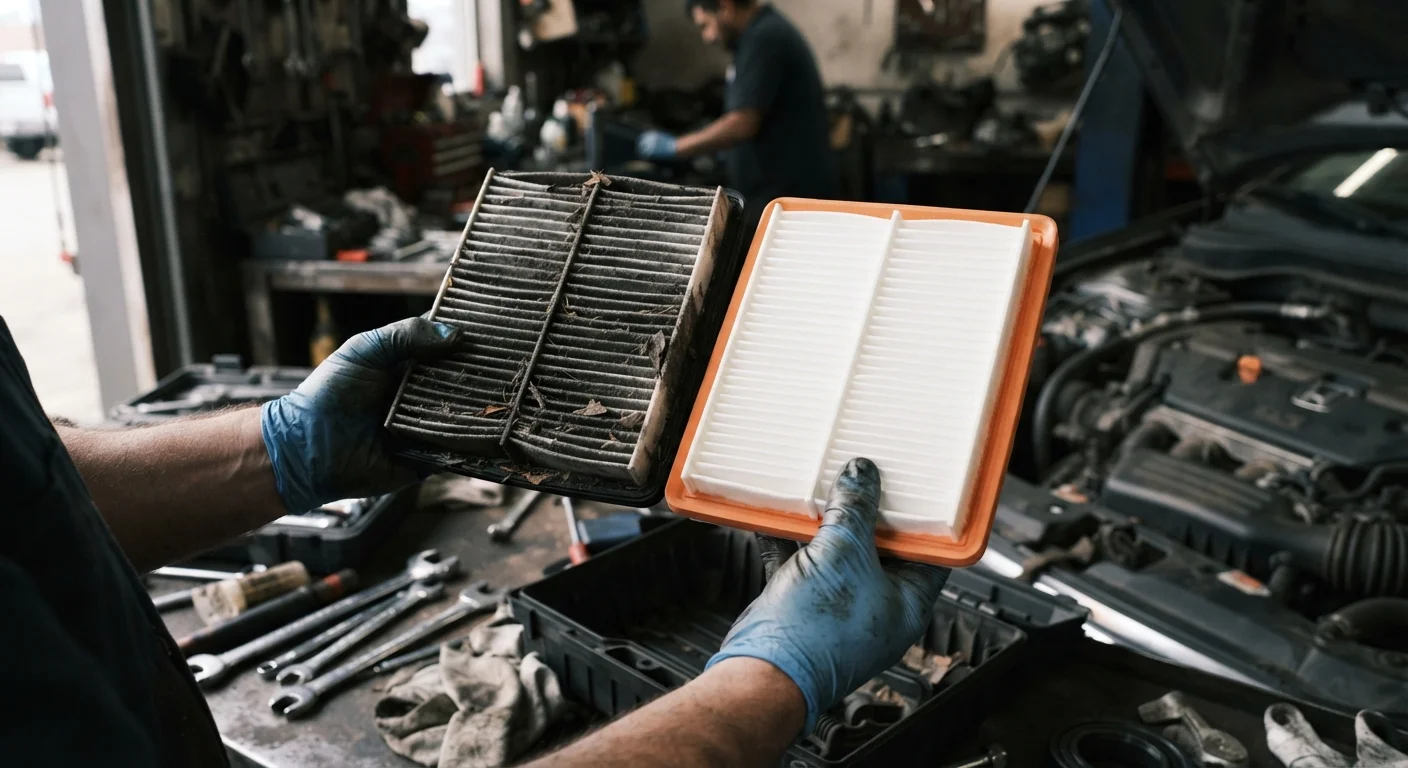
Engine oil breaks down with use and contaminates if not changed on schedule, accelerating internal wear. Coolant, transmission fluid, brake fluid, and filters all have service intervals for the same reason. A missed oil change at modest cost does not immediately break an engine, but a pattern of deferred service does accelerate component wear. Timing belt replacement, for example, is an interval-based service: when it fails without warning, the resulting engine damage typically costs far more than the belt replacement would have. The car maintenance hub covers the most common service intervals and why they matter.
Myth
Extended warranties are worth buying because repairs are so expensive.
Fact
Extended warranties vary widely in what they cover and what they cost, and many vehicle owners pay more for the warranty than they ever collect in covered repairs.
Repair costs on modern vehicles can be significant, which makes extended warranties seem like a sensible hedge. In practice, these contracts contain exclusions, deductibles, and claim procedures that limit their value. Consumer advocates have documented that a large share of extended warranty holders never recover the purchase price in claims. For drivers who want a financial buffer against large repairs, a dedicated savings fund gives more flexibility than a contract with terms that may not align with the repairs that actually occur.
Myth
Depreciation only matters when you sell the car.
Fact
Depreciation affects your financial position throughout ownership, not only at the moment of sale.
A vehicle that depreciates faster than the loan balance decreases puts the owner in a negative-equity position: they owe more than the vehicle is worth. If the car is totaled or needs to be sold before the loan is paid off, the owner covers the gap out of pocket unless gap insurance is in place. Depreciation also sets the baseline for what a trade-in will be worth. New vehicles typically lose a significant portion of their value within the first few years, which is one reason the total cost of ownership on a newer vehicle often exceeds that on a comparable used model over the same period.
How these misconceptions affect real financial decisions
Believing that a paid-off car is nearly free to own, or that skipping an oil change once causes no harm, compounds over years of ownership. Drivers who underestimate insurance costs on a specific vehicle may choose a model that strains their monthly budget once the actual premium arrives. Those who assume maintenance is optional until something breaks often face repair bills that dwarf what the skipped service would have cost.
For first-time buyers especially, these gaps between assumption and reality are consequential. The guide for first-time car owners covers financing, registration, and insurance in detail for anyone starting from scratch. Drivers further along in ownership can find ongoing strategies in the practices that help control ownership costs over time.
Understanding total cost of ownership also changes how new and used vehicles compare. Depreciation, warranty terms, and typical repair frequency shift the math in ways the sticker price does not show. The comparison of new and used car ownership costs works through that math honestly.