Why the sticker price is just the beginning
Most car shoppers focus on the monthly payment or the purchase price when evaluating affordability. Those numbers matter, but they represent only a portion of what a vehicle will cost during the years you own it. The American Automobile Association (AAA) estimates that the average annual cost of owning and operating a new vehicle runs several thousand dollars beyond the loan or lease payment alone.
Total cost of ownership (TCO) is the full accounting of every dollar a vehicle consumes: depreciation, fuel, insurance, registration, taxes, financing interest, maintenance, and repairs. Comparing two vehicles on their sticker prices while ignoring differences in fuel economy, insurance rates, or reliability records can lead to a decision that costs more in the long run. See common misconceptions about car ownership costs for more on how these assumptions cause financial missteps.
Depreciation: the largest cost most drivers ignore
Depreciation is the loss in a vehicle's market value over time. For most new cars, it is the single biggest expense in the ownership ledger, yet it never appears on a monthly bill, so it goes unnoticed. A typical new vehicle loses roughly 20 percent of its value in the first year and around 50 percent within five years, though the actual rate varies by make, segment, and market conditions.
Depreciation matters most when you plan to sell or trade in the vehicle. If you paid $35,000 for a car and it is worth $17,500 five years later, that $17,500 loss is a real cost of ownership whether or not you financed the purchase. Trucks and certain SUVs have historically depreciated more slowly than sedans, but no category is immune. Leasing transfers some depreciation risk to the lessor, which is one structural difference worth understanding before choosing between the two arrangements.
~20%
New car value lost in year one
AAA and industry analysts consistently estimate new vehicles lose approximately 20 percent of their value within the first 12 months of ownership.
$10,000+
Average annual cost of car ownership
AAA's annual 'Your Driving Costs' study has placed the average total annual cost of owning and operating a new vehicle above $10,000 in recent years.
~50%
Typical five-year depreciation
Most new vehicles retain roughly half their original value after five years, though trucks and certain SUVs have historically fared better than sedans.
Fuel costs over the life of a vehicle
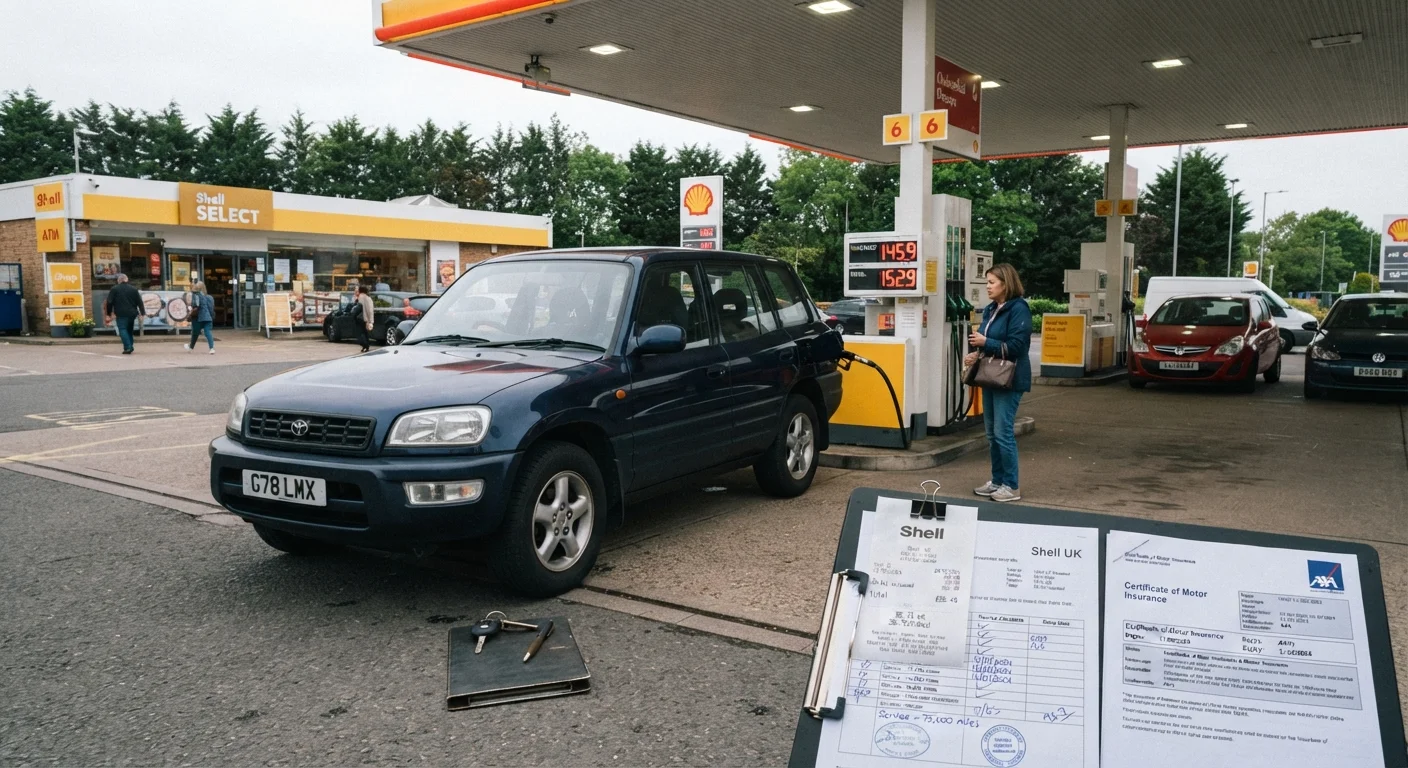
Fuel is the most visible recurring cost of ownership because drivers see it at every fill-up. Over five years, it adds up significantly. A vehicle rated at 25 miles per gallon driven 15,000 miles annually uses 600 gallons per year. At $3.50 per gallon, that is $2,100 per year, or about $10,500 over five years. A vehicle rated at 18 mpg under the same conditions costs closer to $14,600 over the same period, a difference of more than $4,000 purely from fuel economy.
Hybrid and electric vehicles change this math considerably, though purchase prices and, for EVs, home charging installation costs factor into the comparison. Driving patterns matter too: highway driving generally produces better fuel economy than stop-and-go urban use, so two drivers owning the same vehicle can have meaningfully different fuel bills depending on where and how they drive.
Insurance, taxes, and registration fees
Auto insurance is a legally required ongoing cost in nearly every U.S. state. Premiums vary based on the vehicle's value, your driving record, your location, and the coverage levels you carry. A newer or higher-value vehicle typically costs more to insure than an older, lower-value one. Understanding what your policy covers helps you avoid surprises when a claim arises.
Sales tax is due at purchase in most states and is based on the purchase price, meaning a $40,000 vehicle in a state with 8 percent sales tax generates $3,200 in tax owed immediately. Annual registration fees, title fees, and, in some states, personal property taxes on the vehicle's assessed value add hundreds more each year. These costs differ substantially by state, so a vehicle purchased in one state may carry a different tax burden than the identical vehicle bought in another.
Maintenance and unexpected repairs
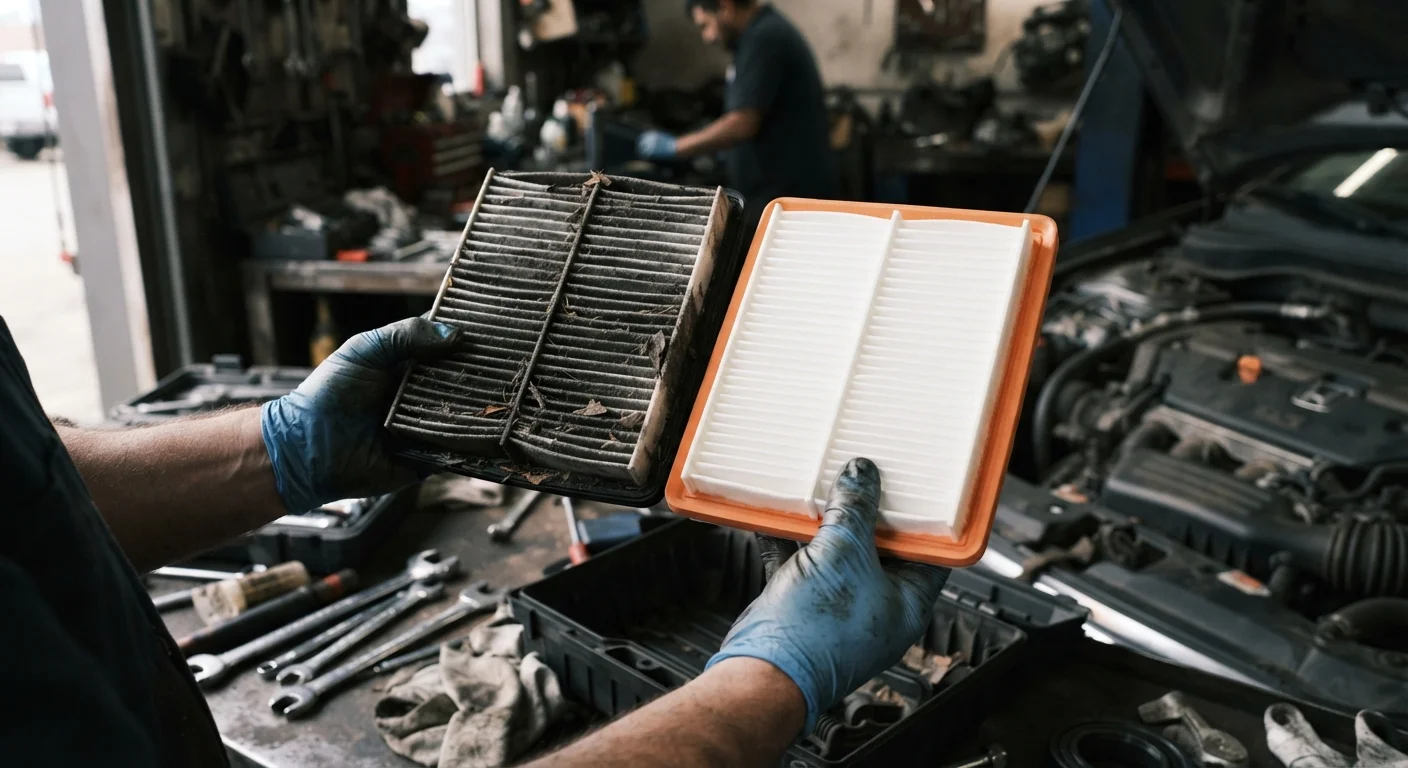
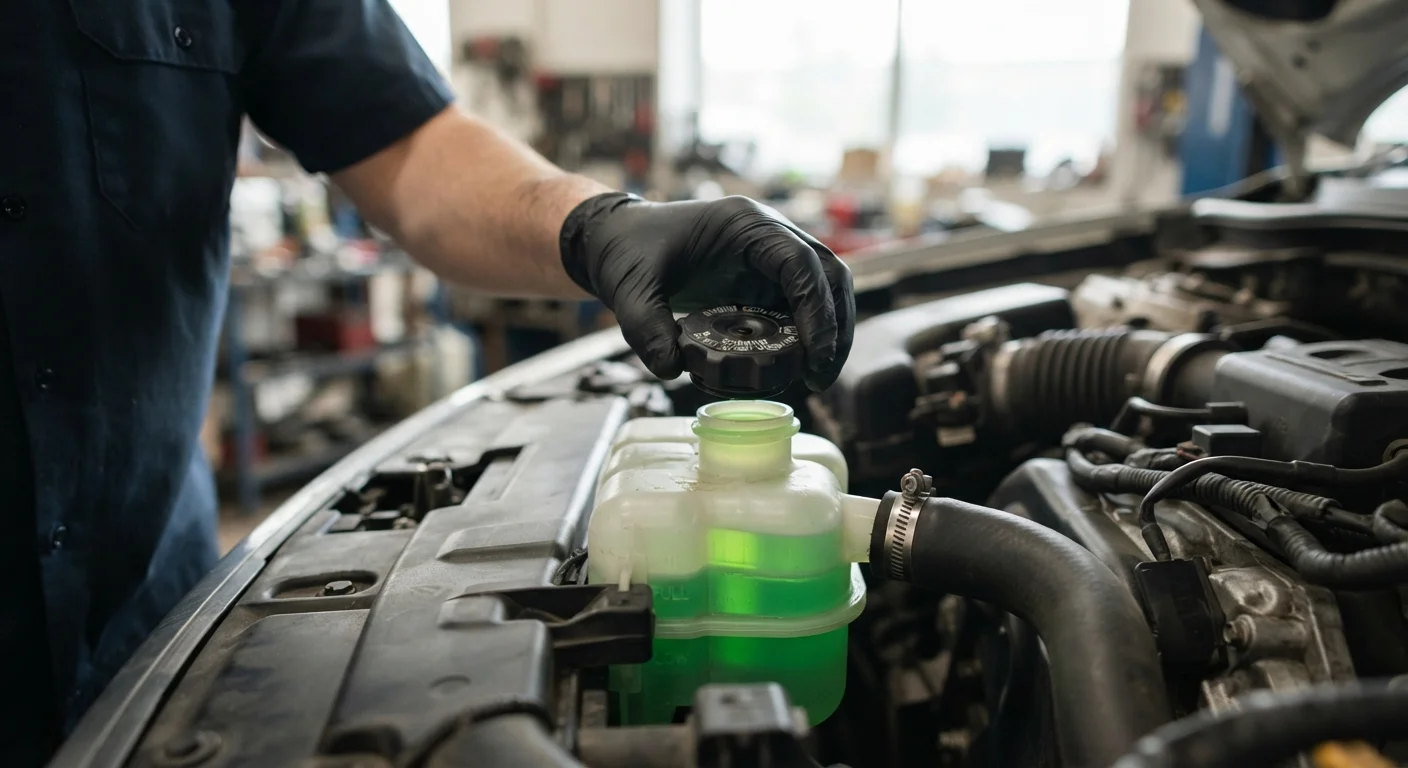
Scheduled maintenance, including oil changes, tire rotations, brake inspections, fluid replacements, and filter changes, costs several hundred dollars per year for most vehicles. Following the manufacturer's maintenance schedule is the most reliable way to protect long-term reliability and avoid larger repair bills. The car maintenance hub covers what routine upkeep looks like across vehicle types and mileage intervals.
Unplanned repairs are harder to budget for but should still be anticipated. Components like brakes, tires, batteries, and belts wear out on predictable cycles. A set of four tires can cost $500 to $1,000 or more depending on the vehicle. Brake pad and rotor replacement often runs $300 to $700 per axle at a shop. Drivers who skip routine maintenance tend to encounter higher repair costs over time because wear progresses further before it is caught.
Build a maintenance fund into your budget
Set aside a fixed amount each month specifically for vehicle maintenance and repairs, separate from your loan payment. Even $50 to $75 per month creates a buffer that prevents a single repair bill from disrupting your finances. Vehicles older than five years or with higher mileage may warrant a larger monthly reserve.
Financing costs and how interest compounds
When a vehicle is financed, the total amount paid exceeds the purchase price by the amount of interest charged over the loan term. A $30,000 loan at 7 percent interest over 60 months results in roughly $5,600 in interest paid, bringing the total outlay to about $35,600 before any other ownership costs. Extending the term to 72 months lowers the monthly payment but increases total interest paid, sometimes significantly. How auto loan interest works explains the mechanics in detail.
Interest rates depend on credit history, the lender, and market conditions. Even a two-point difference in rate on a $25,000 loan over five years can translate to over $1,300 in additional interest. This is one reason that comparing total loan cost, not just monthly payment, gives a clearer picture of affordability. The compounding effect of carrying a balance applies to auto loans just as it does to other forms of consumer debt.
Calculating your actual total cost of ownership
To estimate TCO for a vehicle you are considering, add up the following over your expected ownership period: purchase price minus estimated resale value (depreciation), total fuel costs based on your annual mileage and the vehicle's fuel economy rating, insurance premiums, registration and tax costs, scheduled maintenance, and a reserve for wear items and unplanned repairs.
Some vehicles with lower sticker prices carry higher insurance rates, poorer fuel economy, or higher parts costs, which closes the gap against pricier alternatives. Running the full numbers on two vehicles side by side often produces a different ranking than price alone suggests. Driving safely also affects this calculation: a clean driving record typically means lower insurance premiums, and avoiding accidents prevents costly out-of-pocket repair and deductible expenses. The safe driving resources available from this site cover the habits that protect both drivers and their wallets.