Why ownership costs often catch drivers off guard
The sticker price gets most of the attention, but what a vehicle costs to own over several years is a different number entirely. Fuel, insurance, tires, scheduled maintenance, and unplanned repairs all accumulate. Total ownership costs can substantially exceed the purchase price over a typical ownership period, especially when drivers don't adopt habits that hold those costs in check.
Many of the expenses that spiral are not unpredictable. They follow from deferred maintenance, infrequent insurance reviews, and driving patterns that accelerate wear. Addressing those habits directly is more reliable than trying to shop your way to savings at the point of purchase. If some of the assumptions you hold about spending on a car don't match reality, common misconceptions about car ownership costs are worth reading alongside this guide.
Core practices that limit what ownership costs you
The practices below apply across vehicle types and budgets. Each one addresses a specific cost driver that affects most owners at some point.
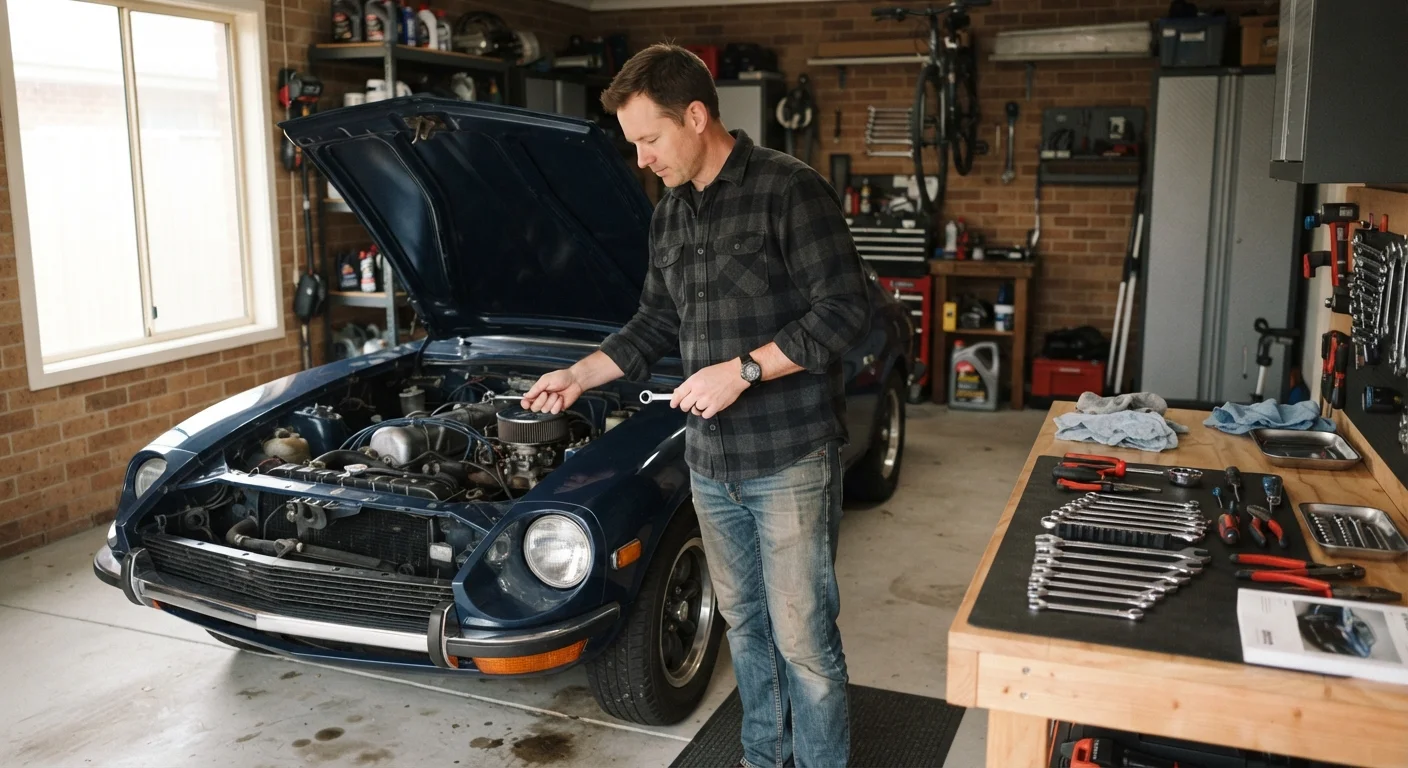
Follow the manufacturer's maintenance schedule without skipping intervals.
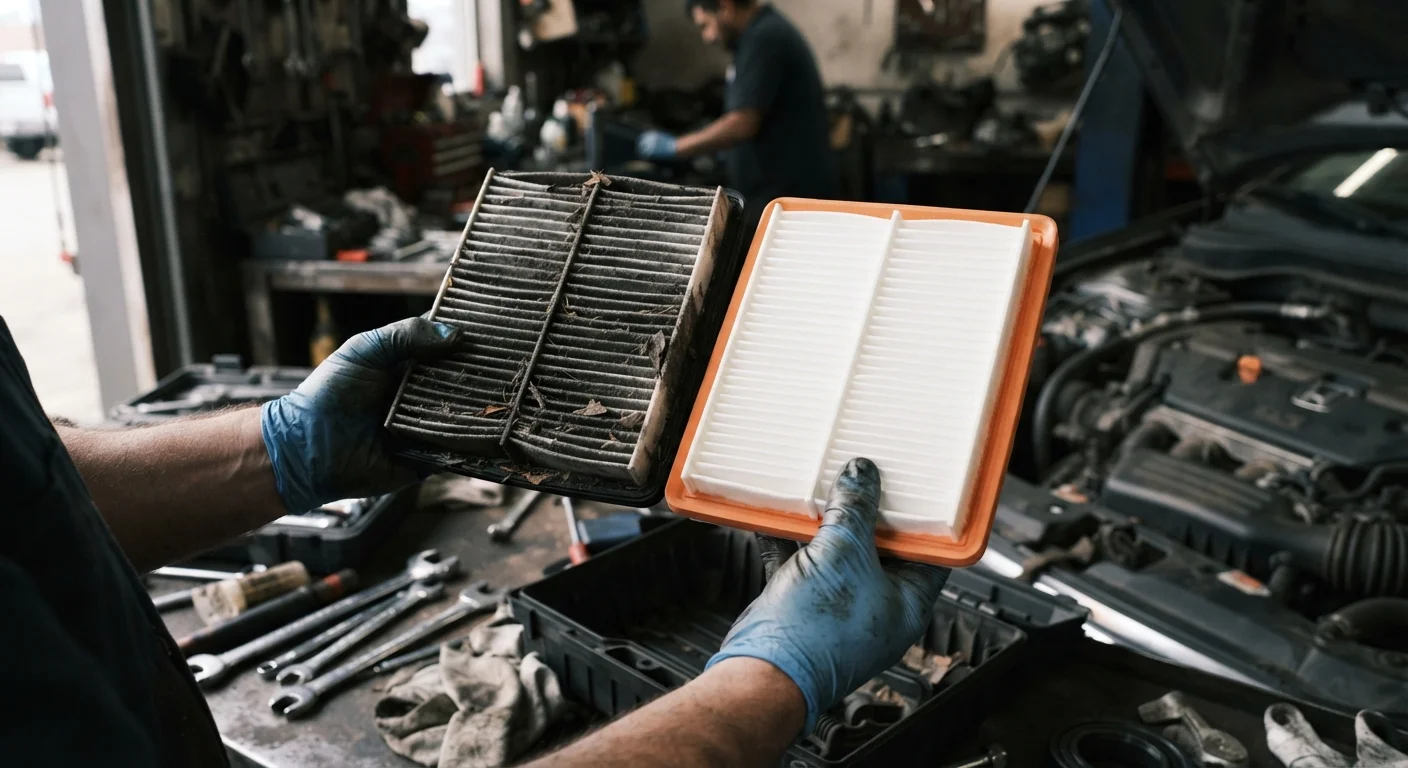
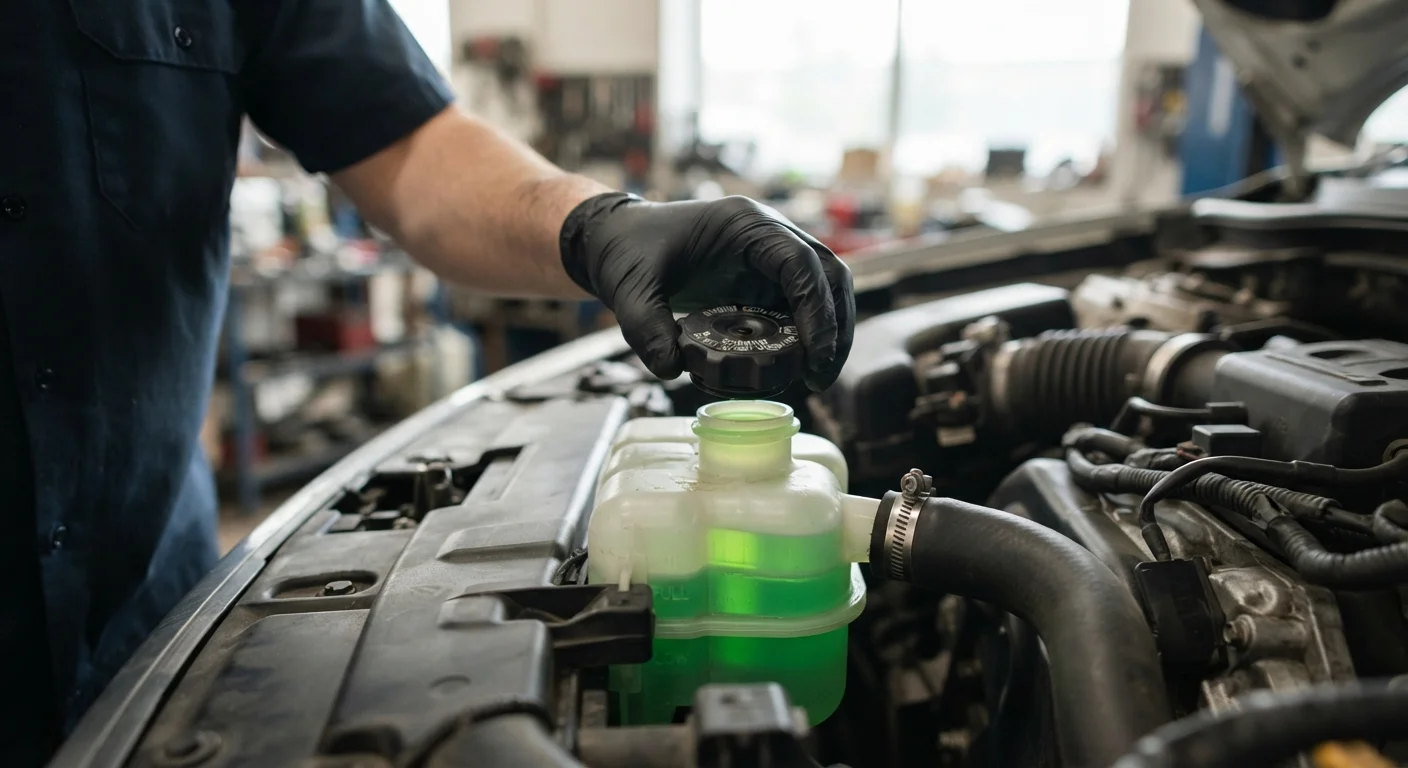
Deferred oil changes, filter replacements, and fluid flushes allow minor degradation to compound into failures that cost far more to fix. A $120 timing belt replacement done on schedule, for example, prevents an engine failure that can cost thousands. The manufacturer's schedule is calibrated to the vehicle's design, not to a generic rule of thumb.
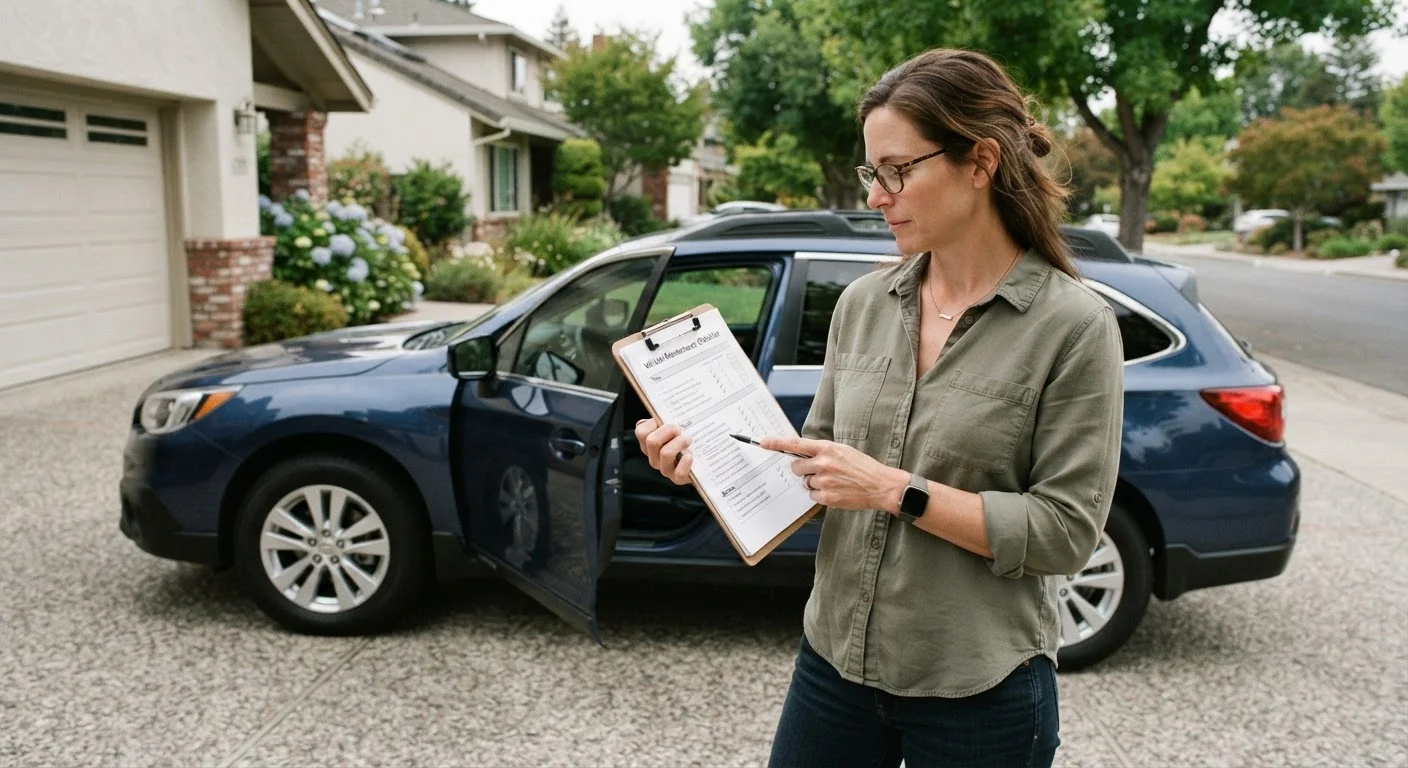
Review your auto insurance coverage at least once a year.
A vehicle's value drops over time, and carrying comprehensive and collision coverage on a car worth less than a few thousand dollars may cost more annually than the maximum payout. Equally, gaps in liability or uninsured motorist coverage can leave you exposed to costs far exceeding any premium savings.
Set aside a monthly vehicle reserve fund separate from your regular budget.
Vehicles require irregular but predictable expenditures: tires every three to five years, brake jobs, battery replacements, and occasional unplanned repairs. Without a dedicated reserve, these expenses either go on credit or cause deferred maintenance that leads to worse outcomes. Treating the reserve as a fixed monthly line item smooths out the financial impact.
Adopt smooth, consistent driving habits that reduce mechanical wear.
Hard acceleration stresses the drivetrain and increases fuel consumption. Aggressive braking shortens brake pad and rotor life. Consistent highway speeds reduce engine load compared to stop-and-go driving. These habits compound over thousands of miles into meaningful cost differences.
Address warning lights and small issues before they escalate.
A check engine light caused by a failing oxygen sensor, if ignored, can lead to catalytic converter damage that costs many times more to replace. Small oil leaks, unusual noises, and subtle changes in handling are early signals that cost relatively little to diagnose and fix early.
Plan for the full cost of ownership before acquiring a different vehicle.
Monthly payment comparisons leave out insurance rate changes, fuel cost differences, higher registration fees on newer models, and the reset of depreciation that comes with a new purchase. Owners who account for all of these before making a change avoid trading one set of costs for a larger one.
For a detailed reference on when each maintenance task typically comes due, see car maintenance intervals every owner should know.
Quick actions you can take now
Some cost-control habits take years to show their full effect, but several can be acted on immediately. The following actions tend to have a measurable impact without requiring significant time or money upfront.
Drivers who commit to keeping a vehicle past 100,000 miles often find the per-year ownership cost drops noticeably once the loan is paid off and major depreciation has already occurred. Maintenance habits that add years to any vehicle outlines what that kind of long-term ownership actually requires in practice.
When to repair and when the numbers change
No maintenance habit eliminates the eventual repair-or-replace decision. When a vehicle ages and repair estimates grow, the question of whether to continue investing in it or move on becomes financially significant. That decision depends on the repair cost relative to the vehicle's remaining useful life, your current financing situation, and what a replacement would realistically cost to own.
Weighing repair costs against a vehicle's remaining useful life walks through the factors that make that call clearer. Depreciation also shapes the equation at every stage: it affects loan balances, insurance payouts, and the timing of any sale or trade. How depreciation affects every financial decision you make as a car owner covers those connections in detail.
Driving behavior feeds into this timeline as well. Safe driving habits that reduce long-term vehicle wear describes how acceleration, braking, and tire care affect how quickly a vehicle reaches that crossover point.