Depreciation: where the biggest cost gap lives
Depreciation is the single largest ownership expense for most vehicles, yet it rarely appears on a monthly statement, which is why many buyers underestimate it. A new vehicle typically loses 15 to 20 percent of its purchase price in the first year and around 50 percent over five years, though the actual figure varies by make, model, and market conditions. For a $40,000 vehicle, that first-year loss can exceed $7,000 before a single oil change.
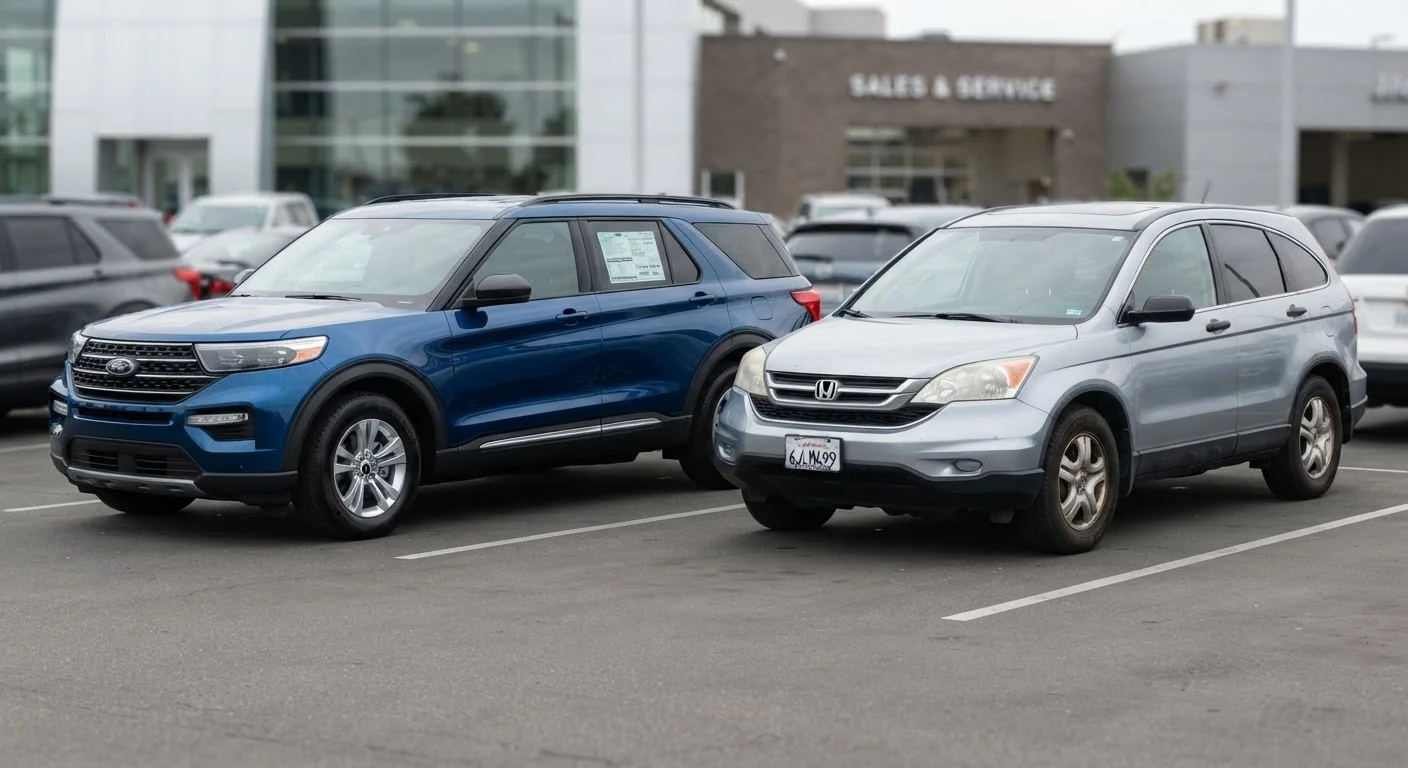
A used car that is two to three years old has already absorbed that steepest drop. The buyer of that used car pays a price closer to where depreciation has plateaued. This is why depreciation shapes every financial decision in car ownership, from how much you owe relative to the car's value (your loan-to-value ratio) to what an insurer will pay after a total loss.
The practical implication: a used buyer often gets substantially more vehicle per dollar spent, even if the specific trim level or feature set differs from a new equivalent.
| Criterion | New Car | Used Car |
|---|---|---|
| First-year depreciation | 15-20% of purchase price | Much slower; steep drop already absorbed |
| Typical financing rate | Lower; manufacturer deals possible | Higher by 1-4 percentage points |
| Warranty coverage | Full manufacturer bumper-to-bumper | Limited or none; CPO partially fills gap |
| Insurance cost | Higher (greater replacement value) | Lower (reduced replacement value) |
| Sales tax at purchase | Higher (based on new price) | Lower (based on used price) |
| Repair frequency | Low during warranty period | Higher on older, higher-mileage vehicles |
| Vehicle history certainty | Complete (zero history) | Variable; verify with inspection and report |
Financing rates and what they actually cost
New cars almost always qualify for lower interest rates than used cars. Lenders consider new vehicles lower-risk collateral because their value is known and their condition is certain. Manufacturers also offer subsidized financing through their captive finance arms, sometimes as low as zero percent for well-qualified buyers. Used car loans, by contrast, typically carry rates one to four percentage points higher, depending on the vehicle's age, the lender, and the borrower's credit profile.
The rate difference sounds like an automatic win for new, but the loan balance matters equally. A $22,000 used car loan at a higher rate can still produce lower total interest paid than a $35,000 new car loan at a lower rate. Running both scenarios through an amortization calculation, with realistic rate estimates for your credit tier, gives a far more honest picture than comparing rates alone. Total ownership costs beyond the monthly payment include insurance, fuel, and maintenance alongside financing, all of which vary between a new and used vehicle.
Warranty coverage and repair exposure
New vehicles arrive with at least a basic bumper-to-bumper warranty, typically three years or 36,000 miles, and a powertrain warranty that often extends to five years or 60,000 miles. During that window, covered repairs cost the owner nothing beyond the deductible, if one applies. This predictability has real financial value for buyers who cannot absorb a large unexpected repair bill.
Used vehicles outside that original warranty carry full repair exposure. A transmission replacement on a used vehicle with 90,000 miles is entirely the owner's cost. Certified pre-owned (CPO) programs from manufacturers address this gap partly by inspecting qualifying vehicles and attaching a limited powertrain warranty, but coverage terms and what is excluded vary significantly between programs. Reading what a CPO warranty actually covers, before purchase, matters more than its headline length. For more on what these contracts include and exclude, see extended warranties and vehicle service contracts explained.
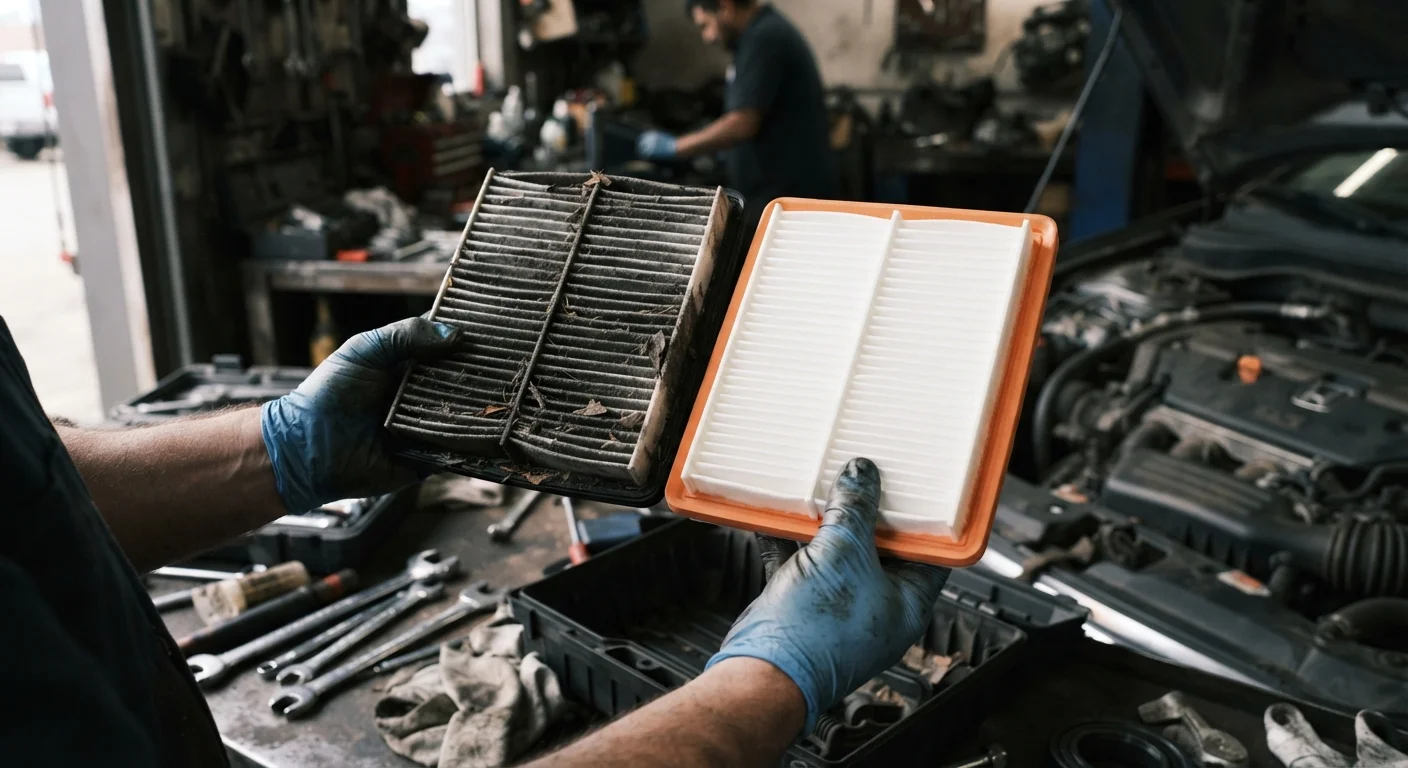
Older used vehicles also tend to require more frequent maintenance spending: brakes, tires, belts, and other wear items accumulate with mileage regardless of how well the car was kept. That cost is real and belongs in any honest comparison. The question of when those costs outweigh the benefit of holding a paid-off car is explored in when to repair an aging car versus replace it.
Insurance, registration, and taxes
New vehicles generally cost more to insure. Comprehensive and collision coverage, which lenders typically require on financed vehicles, are priced based on the replacement cost of the car. A newer, higher-value vehicle costs more to replace, so premiums are higher. Sales tax is calculated on the purchase price, so a higher-priced new car produces a larger tax bill at the point of sale. Annual registration fees in many states are also tied to vehicle value or model year and decline as the car ages.
Used vehicles benefit on all three of these dimensions: lower insurable value, lower sales tax, and lower registration fees in most states. Those savings are not dramatic individually, but across a five-year ownership period they add up. Common misconceptions about car ownership costs often overlook exactly these line items, focusing only on the loan payment while ignoring the supporting costs that vary between a new and used purchase.
For paperwork specifics after either type of purchase, title, registration, and tags explained walks through what to expect state by state.