Why bathroom tile fails more often than it should
Bathroom tile is one of the most durable finishes a homeowner can install, yet tile problems are among the most common complaints after a renovation. Cracked grout, hollow-sounding tiles, and water staining behind walls are almost always the result of process errors rather than bad materials.
Most failures share a pattern: a step that seemed minor gets skipped under time pressure, and the consequences only show up months later. Understanding what goes wrong, and why, makes it possible to avoid the same traps.
This article covers the six mistakes that cause the most tile failures in bathrooms, along with concrete ways to prevent each one. For broader context on renovation decisions, the home renovation myths guide covers related misconceptions that send projects in the wrong direction before they start.
The six mistakes that cause most tile failures
Each mistake below follows the same structure: what the error is, why it happens, and how to prevent it.
Skipping surface preparation before setting tile.
Why it happens: Many homeowners assume a visually flat wall is ready to tile. Small dips, high spots, or dusty surfaces are easy to overlook until the tile starts moving underfoot or pulling away from the wall.
Using the wrong type of mortar or tile adhesive for the location.
Why it happens: Standard mastic adhesive is common and affordable, but it breaks down when exposed to standing water, making it unsuitable for shower floors or walls. Homeowners often grab whatever is available without checking the label.
Failing to plan the tile layout before spreading adhesive.
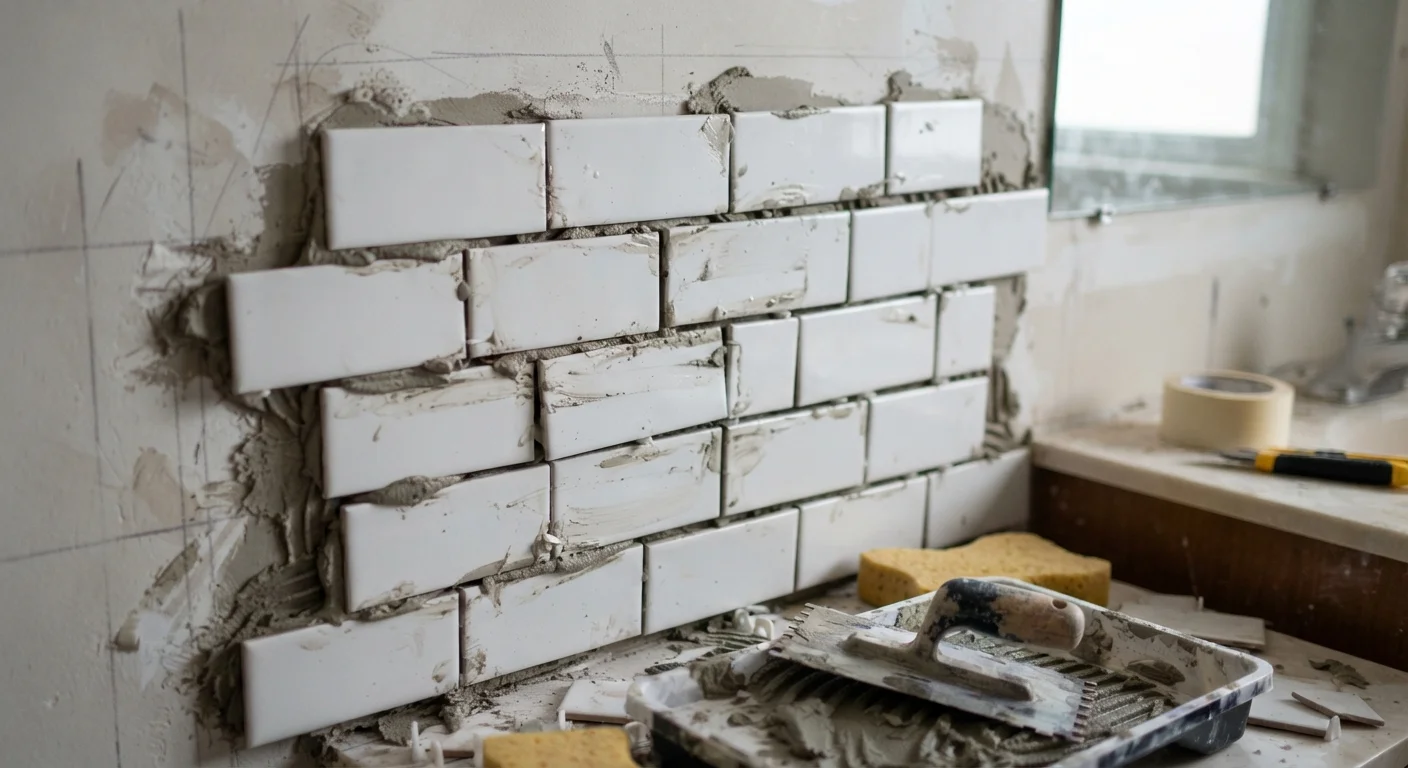
Why it happens: It feels faster to start in a corner and work outward. This approach frequently results in slivers of tile at the most visible edges, or a pattern that looks off-center on the finished wall.
Applying mortar too far ahead and letting it skin over.
Why it happens: Thinset and mastic both have an open time, meaning the window during which tile will bond properly. Spreading a large area at once and then tiling slowly across it means the adhesive dries before tiles are set.
Grouting too soon after setting tile.
Why it happens: The impulse to finish a project quickly leads many people to grout while mortar is still curing. Disturbing freshly set tiles shifts them out of alignment and weakens the bond.
Forgetting to seal grout after installation.
Why it happens: Grout looks finished once it is applied and dried, so sealing feels like an optional step. Unsealed grout in wet areas absorbs water, stains, and harbors mildew.
Tile work connects to other bathroom systems. Water that gets behind a wall does not stay contained to the tile itself. Our article on common plumbing myths covers how moisture-related misunderstandings affect pipes and drains in adjacent spaces.
What to check before calling the job done
Moisture behind walls is a serious risk
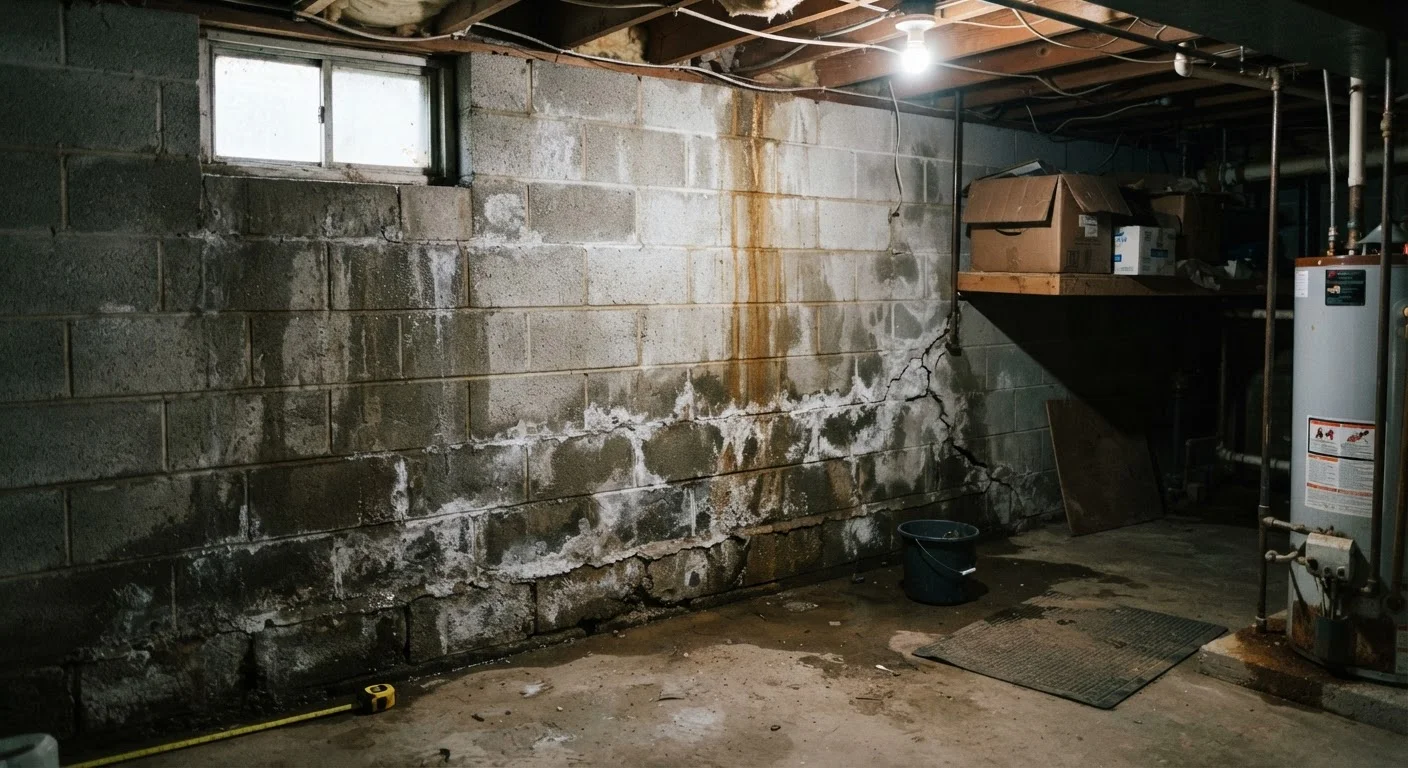
Water that seeps through improperly grouted or sealed tile can reach wall framing and insulation, leading to mold growth and structural damage. This type of damage is often invisible for months. If you suspect water has already penetrated your tile work, consult a licensed contractor before proceeding with repairs.
Before declaring a tile job finished, go over these checkpoints. Press each tile gently; a hollow sound when tapped with a knuckle indicates poor adhesive coverage, which will eventually cause the tile to crack or detach. Check grout lines for consistent width and depth, and look for any gaps at the perimeter where the tile meets the tub, shower pan, or vanity.
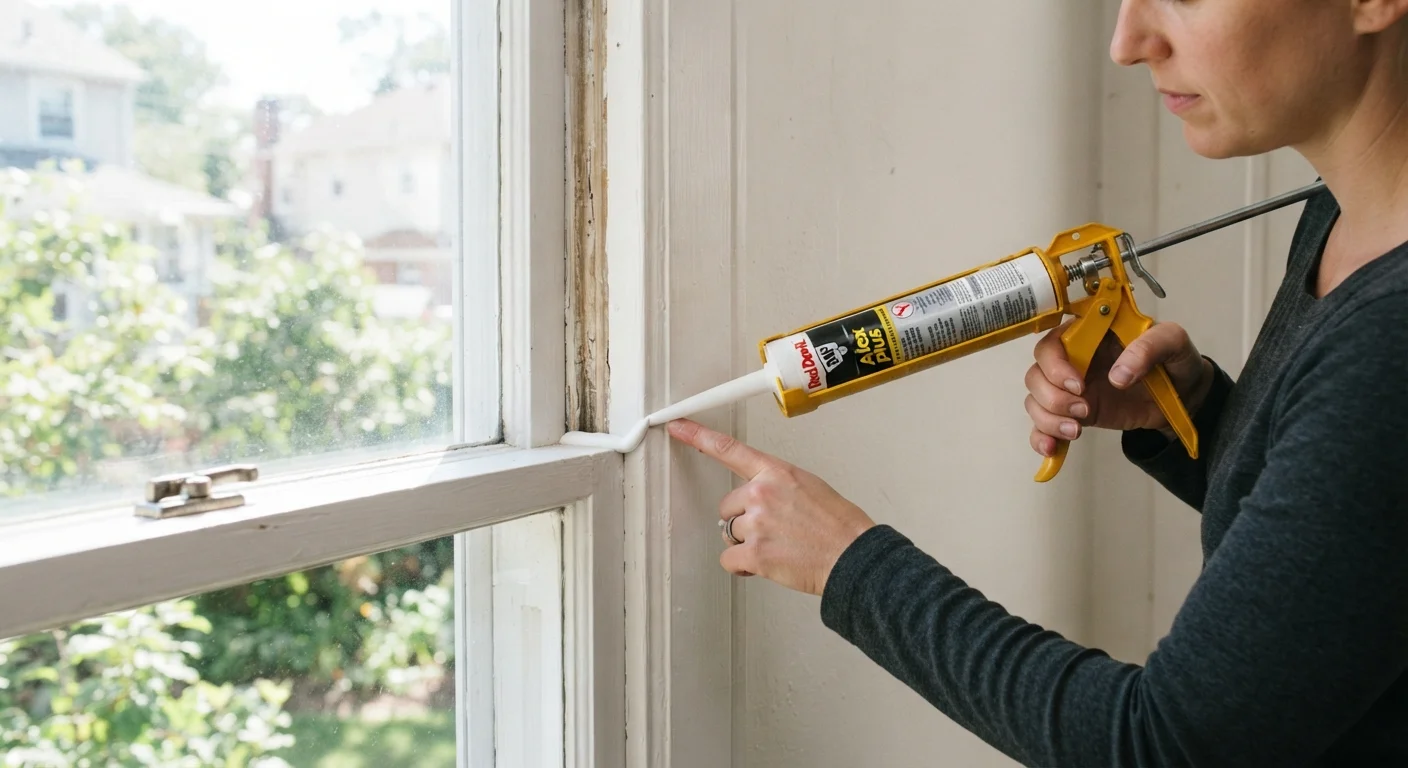
Perimeter joints where tile meets another surface should be filled with caulk rather than grout. Grout is rigid and cracks at movement joints; caulk flexes. Many homeowners use grout everywhere and find it cracking within a season. Use a mold-resistant, siliconized caulk in the color closest to your grout.
Bathrooms share maintenance needs with other surfaces in the home. The overlooked home maintenance areas guide includes several spots adjacent to tile work that are commonly skipped during inspections.