
The GC's core job: managing moving parts
A general contractor's primary function is coordination. On any renovation involving more than one trade, someone must schedule the framer before the insulator, the rough plumber before the drywall crew, and the electrician before the painter. If that sequence breaks down, work gets redone and costs climb. The GC owns that sequence.
Beyond scheduling, a GC writes or reviews subcontractor contracts, verifies that each trade carries proper insurance, and manages payments down the chain. When a delivery is late or a subcontractor cancels, the GC finds a solution without pulling you into every phone call. That single point of contact is what many homeowners find most valuable, especially on projects lasting several weeks or months.
For a closer look at why sequence matters, see our guide to sequencing renovation work.
Ask for a detailed scope of work in writing
Before any project begins, request a written scope of work that lists every trade, material allowance, and task the GC is responsible for. Vague contracts are the most common source of disputes. If something is not in writing, it is easy for both sides to remember it differently.
Permits, inspections, and code compliance
Most structural, electrical, plumbing, and mechanical work requires a permit from your local building department. The GC typically pulls those permits under their license, which means they are legally responsible for ensuring the work meets local building codes. Inspectors visit the site at defined stages, such as after rough framing or before drywall covers electrical and plumbing, and the GC must have work ready for each inspection.
This matters to you as a homeowner because unpermitted work can surface as a problem during a home sale, cause your homeowner's insurance to deny a claim, or require expensive corrections later. A GC who skips permits to save time is passing that legal risk to you. Verify with your local building department which permits a project requires before signing any contract.
Common misconceptions about permits trip up many homeowners. Our article on home renovation myths covers several permit-related misunderstandings worth reading before you start.
Budget management and change orders
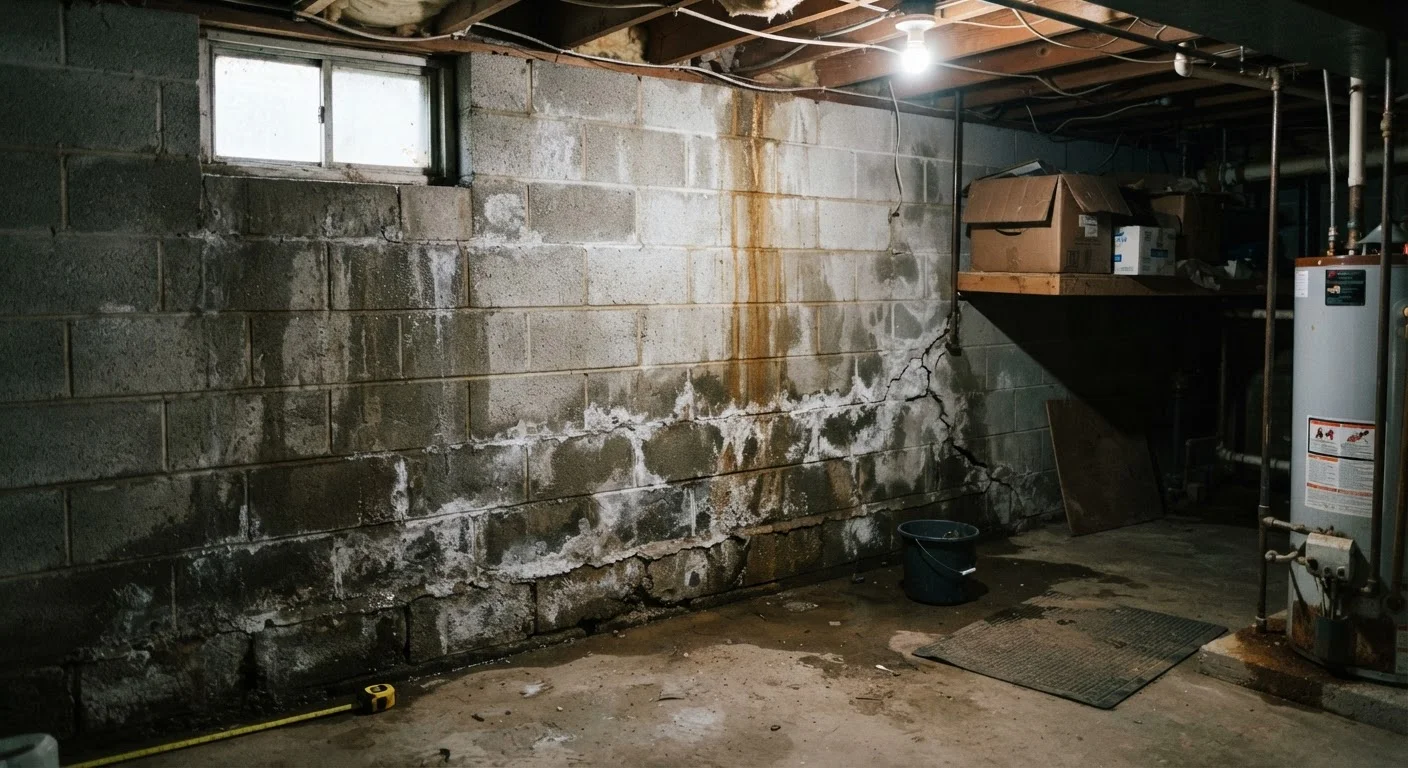
A GC provides a detailed project estimate and tracks costs as work progresses. When conditions change, such as hidden water damage behind a wall or a product back-order, the GC issues a change order: a written document describing the new scope and its cost impact. You should sign no change order without reading it carefully.
A good GC also maintains a contingency, typically 10 to 15 percent of the project budget, to absorb minor surprises without derailing the schedule. Ask any prospective contractor how they handle unexpected costs and what their change-order process looks like. The answer tells you a lot about how the project will actually run.
10-20%
Typical GC fee as share of project cost
This range is commonly cited in the construction industry, though actual rates vary by region, project size, and contractor.
10-15%
Recommended contingency budget for renovations
Construction professionals generally advise homeowners to set aside this amount above the base estimate to cover unexpected conditions.
Insurance, liability, and your protection
A licensed GC carries general liability insurance and, when they have employees, workers' compensation. General liability covers property damage the contractor's team causes during the project. Workers' compensation covers medical costs if a worker is injured on your property. Without these coverages in place, you could face a lawsuit or a property damage claim paid out of pocket.
Before signing a contract, ask the GC for certificates of insurance and verify that the coverage is current. Some homeowners also notify their own homeowner's insurance provider before a major renovation begins, because some policies have requirements around occupied renovations or may need to be adjusted during construction.
What to expect during the project
Once work starts, your main interaction with a GC is through regular check-ins, written progress updates, and site walkthrough meetings at key milestones. You should not need to chase down subcontractors or resolve scheduling conflicts yourself. If you find yourself doing that, it signals a communication problem worth addressing directly with the GC.
At the end of the project, a reputable GC conducts a final walkthrough with you, documents any items that need correction (called a punch list), and ensures those items are completed before final payment is released. Understanding how to plan your daily life around active construction can reduce stress considerably. Our guide to staging a home improvement project offers practical strategies for living through a renovation.