Why long-term ownership starts with a schedule
Vehicles that reach 150,000 miles or more without major mechanical failure rarely do so by accident. The owners behind those cars typically share one habit: they treat the owner's manual service schedule as a binding document, not a suggestion. That schedule was engineered for the specific tolerances, materials, and operating conditions of each vehicle.
The owner's manual service schedule lists exact intervals for oil changes, coolant flushes, spark plug replacement, and other tasks based on mileage or time, whichever comes first. Drivers who skip or delay those intervals frequently find that the cost of repair later far exceeds what the scheduled service would have cost. A timing belt that fails because it ran 20,000 miles past its replacement interval can destroy an engine; the same belt replaced on time costs a fraction of that.
For a consolidated view of what those intervals typically look like across common tasks, the car maintenance intervals reference guide is a useful companion to whatever your manual specifies.
The maintenance habits that make the difference
Across high-mileage vehicles, certain specific practices appear consistently. These are not exotic or expensive routines. They are methodical, repeated actions that protect systems before those systems fail.
Transmission care is one area many drivers overlook until a problem surfaces. Both automatic and manual transmissions need fluid attention, but on different schedules and with different fluid specifications. The transmission maintenance guide explains what each type needs and how to recognize early warning signs.
Driving style also directly affects mechanical wear. Hard acceleration puts stress on the drivetrain; late, heavy braking shortens brake pad and rotor life. Drivers who accelerate gradually and brake early extend the life of components that are expensive to replace.
Fluids, filters, and tires: the unglamorous core
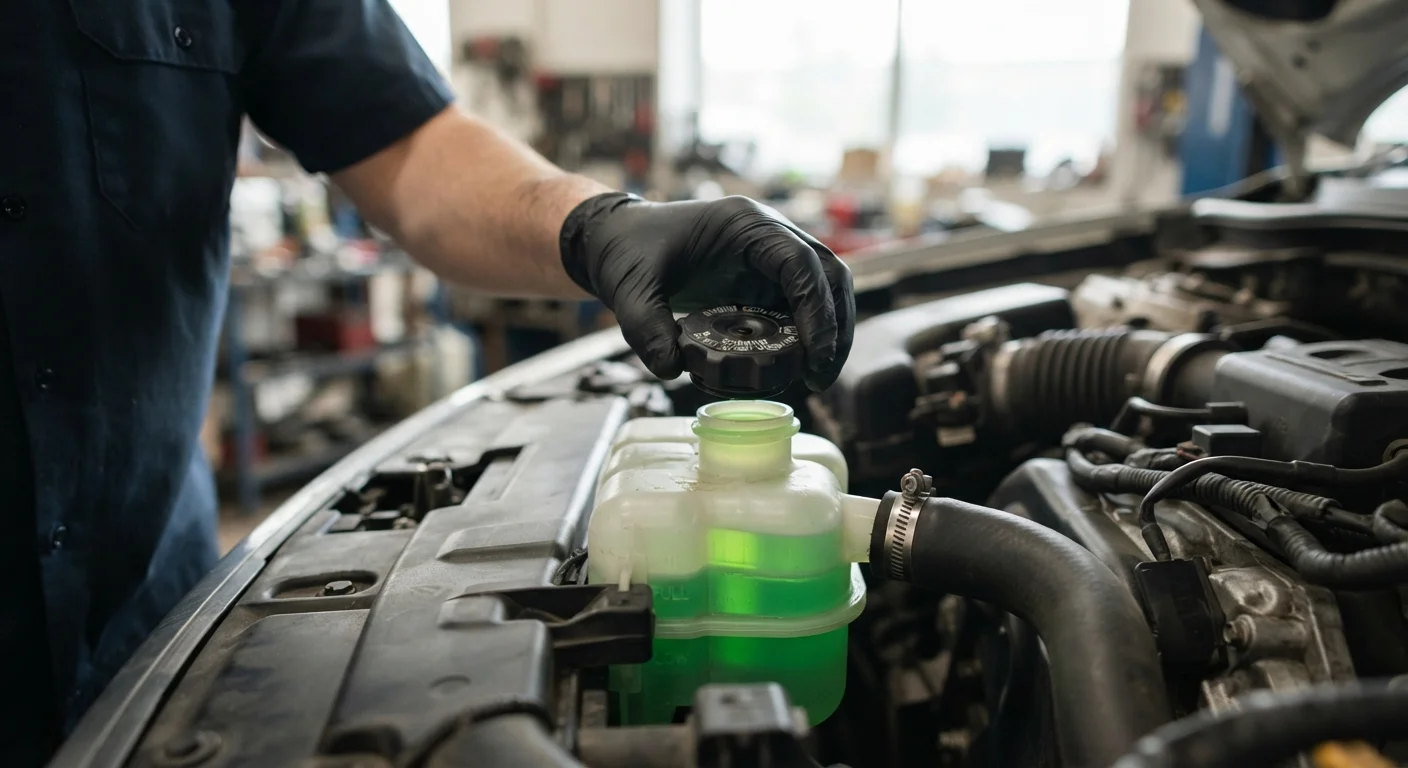
Most premature mechanical failures trace back to one of three neglected categories: fluids, filters, or tires. Engine oil breaks down over time and loses its ability to protect metal surfaces from friction. Coolant becomes acidic and corrodes the cooling system from the inside. Transmission fluid, brake fluid, and power steering fluid all degrade and absorb moisture over time.
Oil change intervals in particular deserve attention. Many drivers still follow the old 3,000-mile rule, which no longer reflects what modern engines require. The current guidance on oil change intervals depends on the oil type specified by your manufacturer and your actual driving conditions, not a universal number.
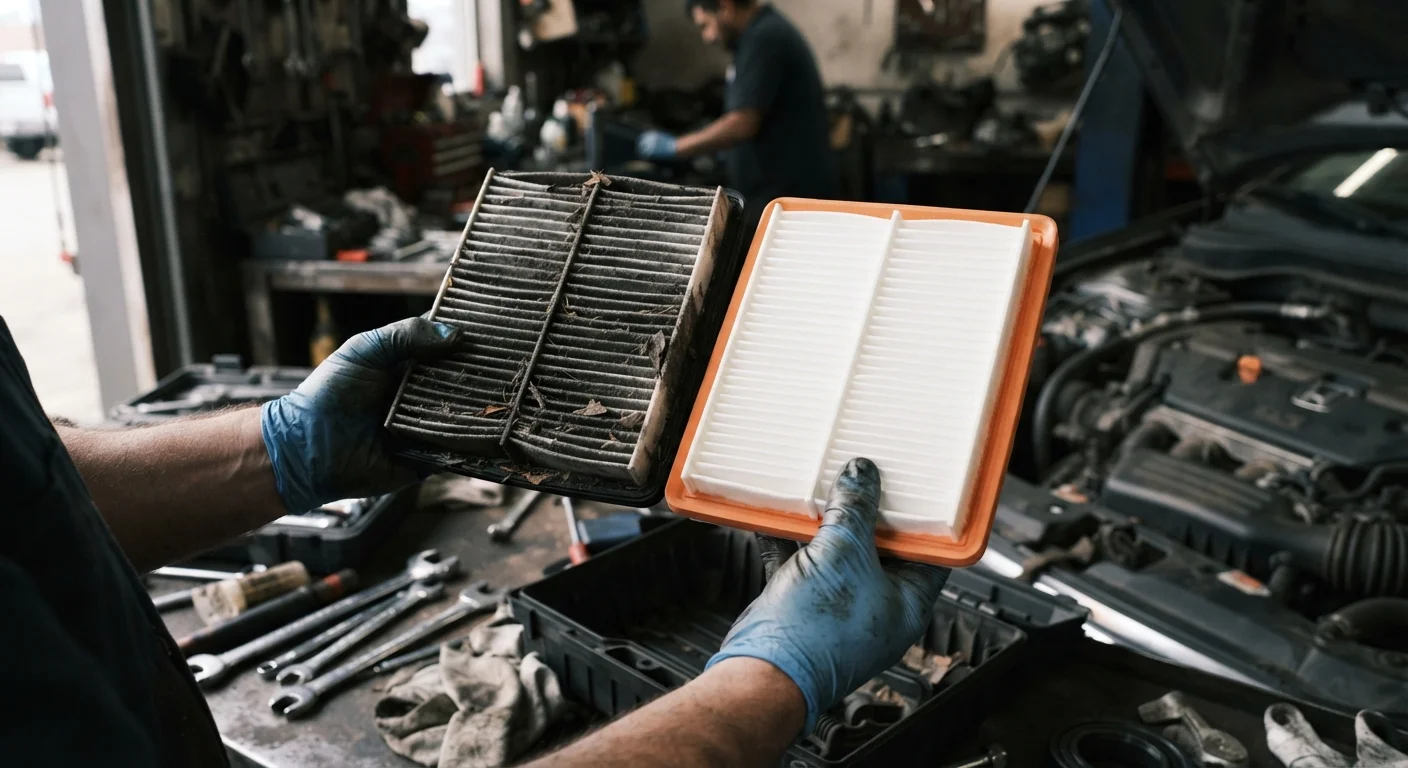
Air filters, cabin filters, and fuel filters each protect a different system. A clogged engine air filter reduces combustion efficiency. A dirty fuel filter stresses the fuel pump. Neither replacement is costly when done on schedule; both become expensive when ignored long enough to cause downstream damage.
Tires require rotation every 5,000 to 7,500 miles for most vehicles, along with periodic alignment and pressure checks. Uneven tire wear changes handling, increases stopping distances, and accelerates wear on suspension components. A pressure check takes two minutes and costs nothing.
When to handle it yourself and when to see a mechanic
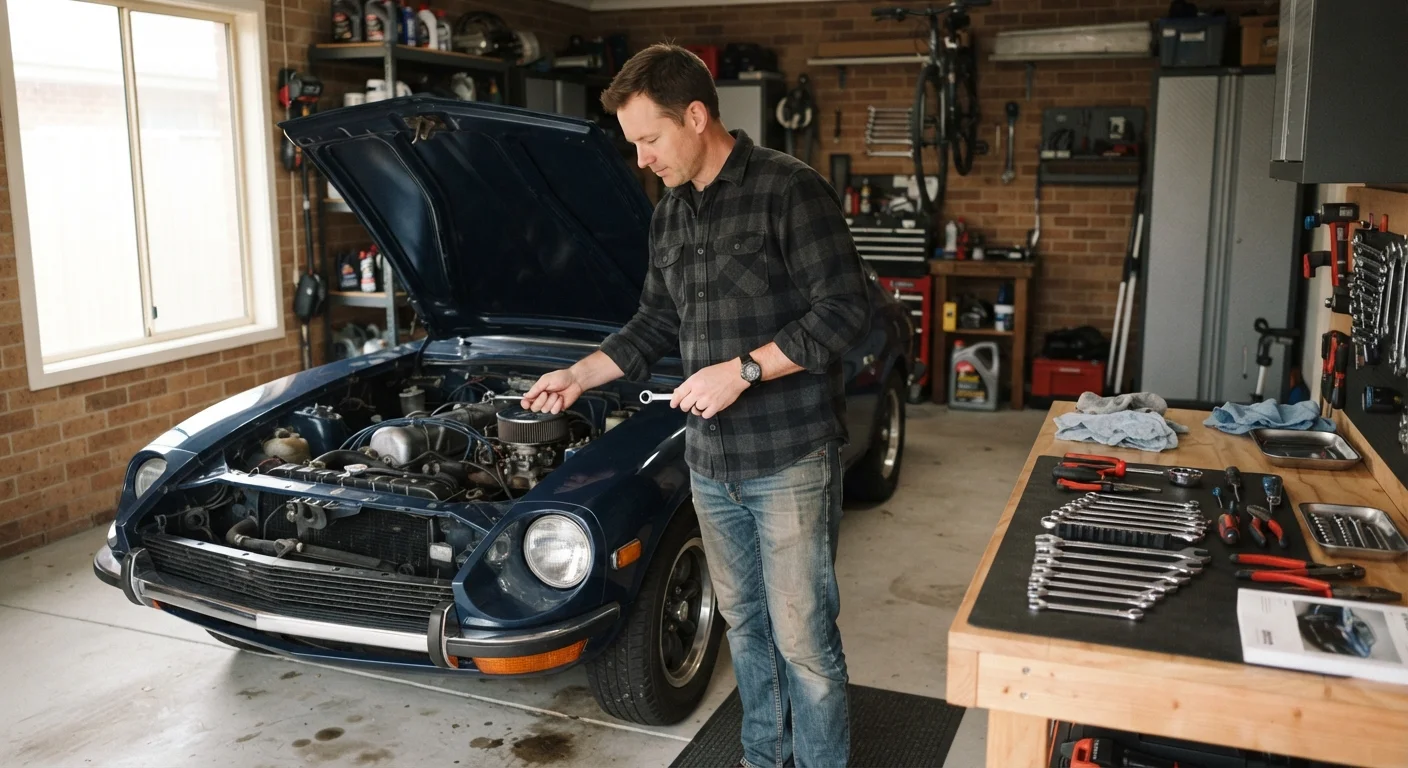
Some maintenance tasks are straightforward for a careful owner: checking tire pressure, topping off washer fluid, replacing wiper blades, and swapping an engine air filter are low-risk and well-documented in most owner's manuals. Others, particularly anything involving the braking system, fuel system, or suspension geometry, carry real safety implications and are better handled by a qualified mechanic.
The guide on DIY maintenance versus professional service breaks this down by task category. The general principle is this: if an error could compromise steering, braking, or structural integrity, that work belongs with a licensed technician.
Whatever the source of the repair, keep a written or digital service record. Date, mileage, what was done, and who did it. This record helps a mechanic diagnose a new symptom faster, and it documents the car's history if you ever sell it. Buyers and dealers both assign real value to verifiable maintenance history. The practices for controlling ownership costs over time include record-keeping as a foundational habit for exactly this reason.
For owners weighing whether continued maintenance makes financial sense on an aging vehicle, the repair versus replace decision guide offers a structured way to think through the tradeoff.