The core question: what does the car actually cost you?
Most drivers frame this decision as repair cost versus purchase price, but the real comparison is total monthly cost of keeping the current car versus total monthly cost of replacing it. A $2,000 transmission repair feels large in isolation. Spread across 24 months of continued ownership, it adds roughly $83 per month to your cost of keeping that vehicle. A replacement car financed at current rates could easily run $400 to $600 per month before insurance changes are factored in.
The calculation shifts when repairs become frequent rather than occasional. A single large repair on an otherwise reliable car is very different from a car that visits the shop every few months. Track what you have spent on unplanned repairs over the past 12 to 24 months. That figure, annualized, is your baseline for comparison.
Understanding how depreciation affects ownership decisions also matters here. A car with low remaining market value but no outstanding loan has no depreciation exposure working against you. A new or newer replacement begins losing value the moment you drive it.
Factors that favor repairing
No monthly loan payment on a paid-off car
Eliminating a car payment is one of the largest single reductions available in a household's fixed monthly expenses. A repair, even a costly one, is typically a one-time cost rather than a recurring obligation.
Repair cost is often lower than replacement total cost
Even a $1,500 to $3,000 repair is usually less than the down payment plus first few months of payments on a replacement vehicle, making the short-term financial case for repair straightforward.
Known vehicle history reduces uncertainty
A car you have owned and maintained is a known quantity. A replacement vehicle, especially a used one, introduces unknowns about prior ownership and undisclosed wear.
Avoiding depreciation on a newer vehicle
New and late-model vehicles lose value rapidly in the first few years. Keeping an older car sidesteps that depreciation curve entirely.
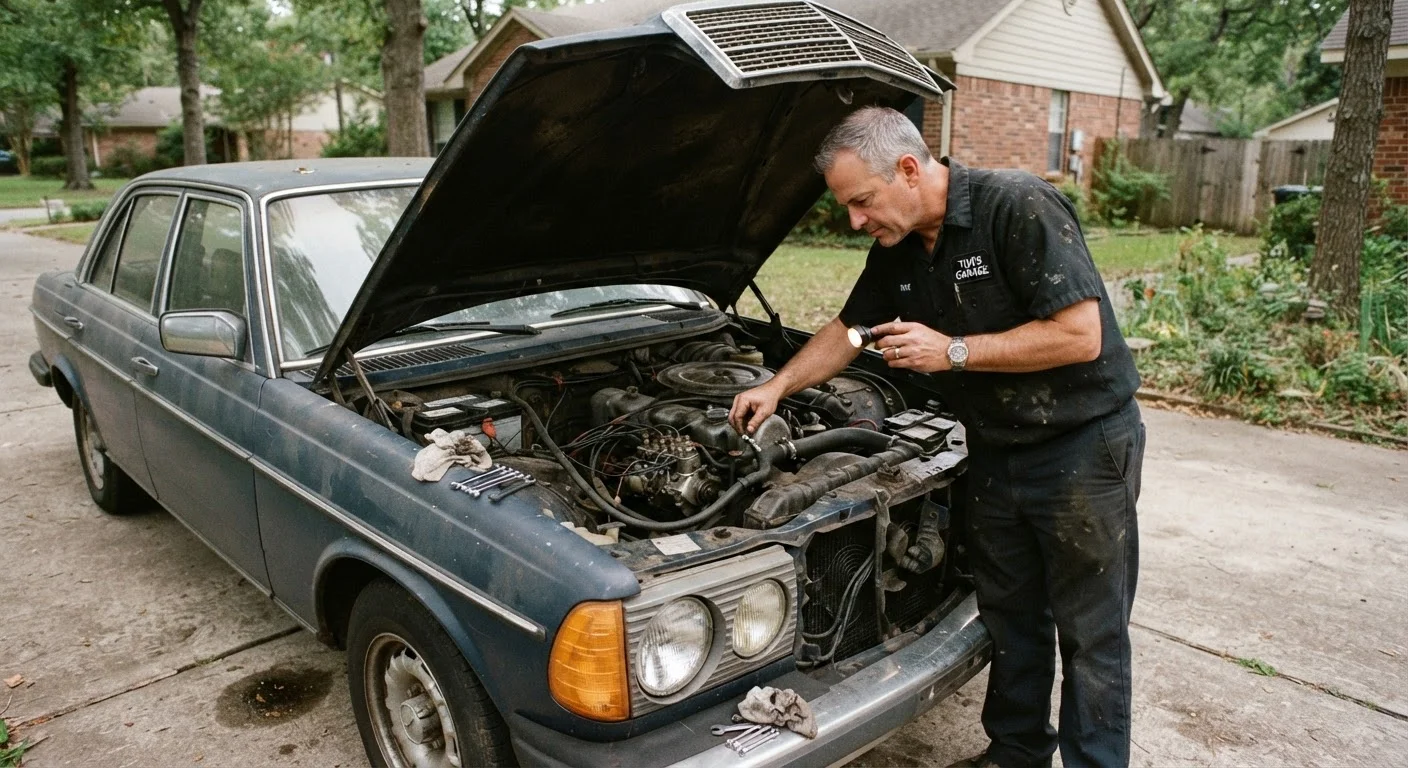
A paid-off car with a clean maintenance record and a single point of failure is a strong candidate for repair. The absence of a monthly payment is a financial advantage that is easy to underestimate. If the repair restores the vehicle to reliable operation and the total out-of-pocket cost is well under half the car's current private-party value, the numbers generally support fixing it.
Mileage alone is not a reliable cutoff. Vehicles that have followed consistent maintenance habits routinely reach 150,000 to 200,000 miles with manageable repair costs. A 120,000-mile car that has had regular oil changes, fluid replacements, and timing-related service on schedule is in a fundamentally different position than one with deferred maintenance at the same mileage.
Factors that favor replacing
Repair costs can accumulate across multiple systems
An aging vehicle often has several components approaching end of life simultaneously. Fixing one does not prevent others from failing, and repair bills can stack up within a short period.
Safety systems may be compromised or outdated
Older vehicles may lack modern safety features such as automatic emergency braking or lane-departure warnings, and failed airbag or brake systems on any vehicle present real risk.
Reliability affects more than money
A car that breaks down unexpectedly creates real costs in missed work, alternative transportation, and time. These costs are real but do not appear on a repair bill.
Some repairs are difficult to cost-justify against market value
A major powertrain repair on a vehicle worth $3,000 to $4,000 on the private market may restore function but leaves you with very little equity buffer if another failure follows.
Structural rust, failed safety systems (airbags, anti-lock brakes, stability control), and chronic electrical faults that resist diagnosis are situations where continued investment becomes hard to justify. Safety-related failures carry a cost that does not appear on a repair invoice.
If you are already financing the aging car and the remaining loan balance exceeds its market value, you are in a negative-equity position. In that case, replacement involves rolling that deficit into a new loan unless you can pay the gap out of pocket. Comparing the full ownership math of new versus used vehicles can clarify whether a certified pre-owned option changes that picture.
A practical framework for the decision
Three questions bring most of the relevant information together:
- Does the total repair cost, combined with what you have already spent on unplanned repairs in the past year, exceed 50% of the car's current market value? If yes, replacement deserves serious consideration.
- Is the failure in a safety-critical system, or does it affect the car's ability to pass your state's inspection or emissions requirements?
- After the repair, is there a reasonable expectation of at least 12 to 18 months of reliable operation, based on the car's history and a mechanic's honest assessment?
A qualified mechanic can often give you a condition report that goes beyond the immediate repair, flagging components likely to need attention within the next year. That information changes the repair-versus-replace calculation significantly. Managing total ownership costs over time depends on making these calls with accurate information rather than assumptions.
Maintenance is not the same as repair
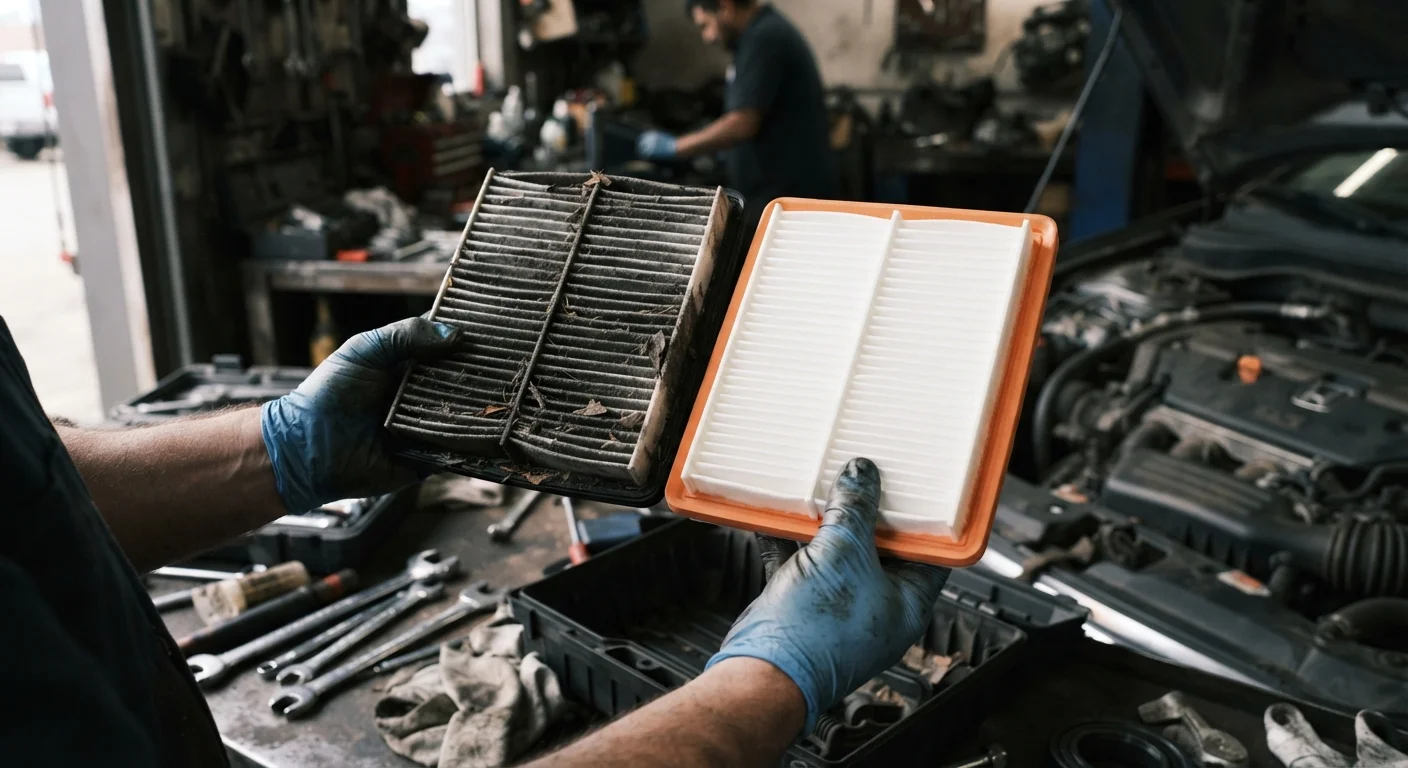
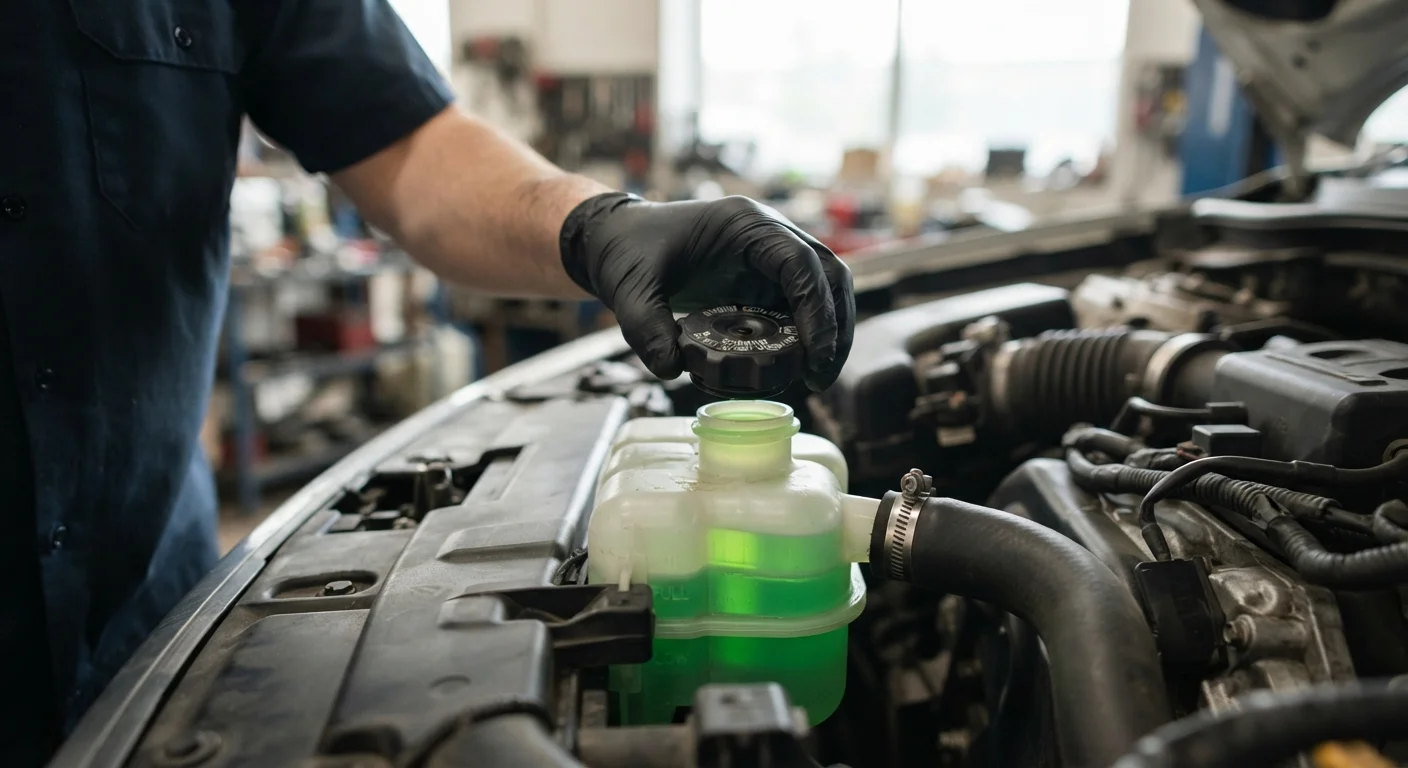
Scheduled maintenance (oil changes, brake fluid, coolant, timing belts) is predictable and relatively low cost when done on time. Deferred maintenance often turns into expensive repairs. Keeping up with a service schedule is the most reliable way to avoid the repair-versus-replace decision arriving sooner than necessary.
Routine maintenance is a separate category from repair decisions. Staying current on scheduled maintenance reduces the frequency of major unplanned repairs and extends the useful life of any vehicle, which affects the repair-versus-replace math in your favor over time.