How driving behavior affects wear
Most mechanical wear on a vehicle is gradual and invisible until something fails. The way a car is driven, not just how often it is serviced, determines how quickly components degrade. Hard acceleration stresses the drivetrain. Late, heavy braking overheats rotors and pads. Frequent short trips prevent the engine from reaching full operating temperature, which leaves moisture and unburned fuel in the oil. Understanding these cause-and-effect relationships gives drivers a practical reason to adjust daily habits.
This is not about driving slowly or timidly. Smooth, deliberate inputs at normal speeds are what reduce mechanical stress. A driver who accelerates firmly but progressively, brakes with distance to spare, and maintains steady highway speeds puts far less cumulative strain on the powertrain than one who drives aggressively in stop-and-go traffic. For a broader look at how these habits connect to total ownership costs, see managing vehicle ownership costs.
Recommended practices for reducing vehicle wear
The following practices address the driving behaviors most directly linked to premature component wear. Each one has a measurable effect over time.
Accelerate gradually from a stop rather than pressing the throttle hard.
Hard acceleration from a standstill forces the transmission through gear changes under high torque and puts immediate stress on engine mounts, CV joints, and the drivetrain. Progressive acceleration distributes the mechanical load over a longer interval and consumes less fuel.
Brake early and with progressive pressure rather than stopping abruptly.
Late, hard braking generates more heat in the rotors and brake pads than gradual stops from the same speed. Repeated heat cycles warp rotors over time and compress brake pad material unevenly. Early braking also gives following drivers more time to respond, which reduces rear-end collision risk.
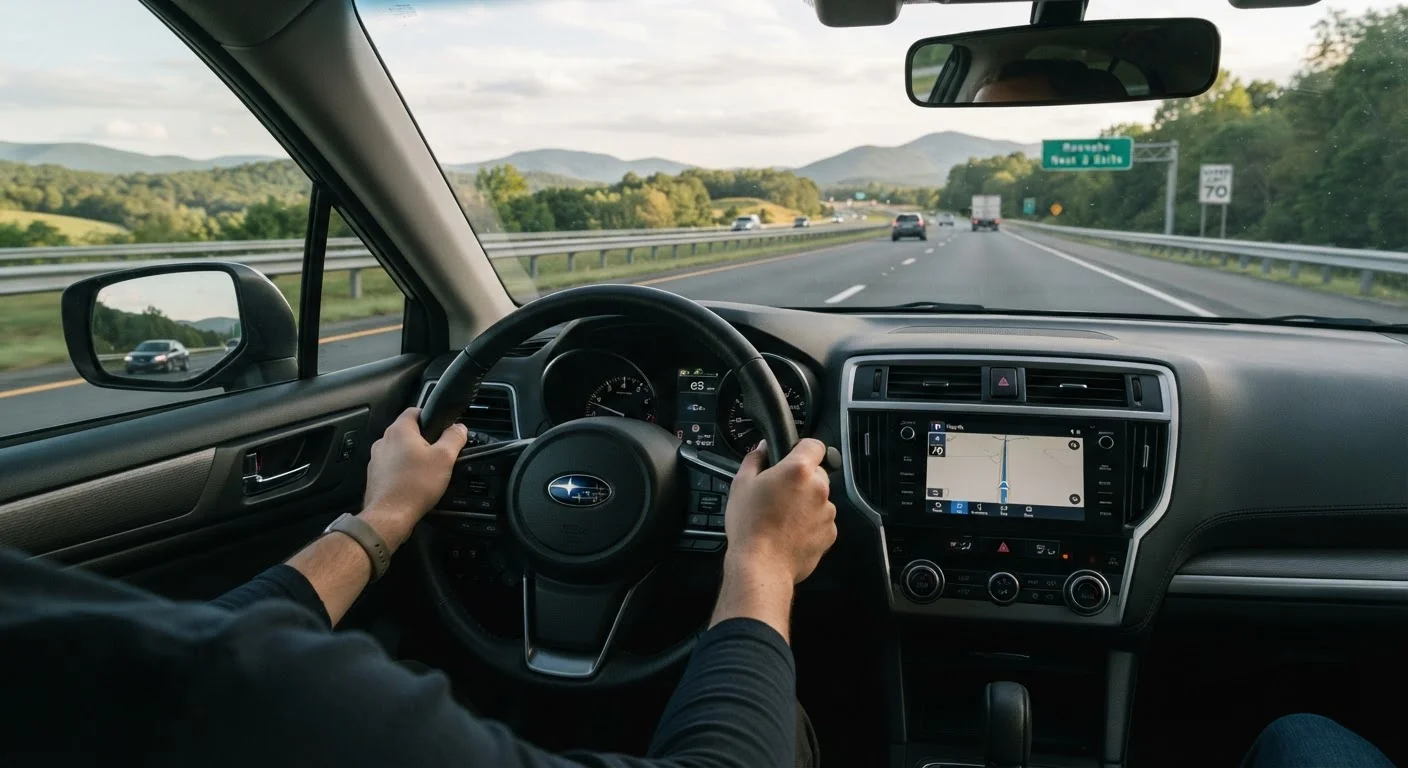
Maintain a steady speed on the highway rather than accelerating and decelerating repeatedly.
Constant speed changes on highways increase fuel consumption and cause more frequent automatic transmission shifts under load. Cruise control, where safe and appropriate to road conditions, helps maintain consistent speed without driver fatigue affecting throttle inputs.
Avoid short trips when possible, or combine errands into a single outing.
Engines produce the most wear during the first few minutes of operation before oil reaches full operating temperature and pressure. Frequent very short trips, especially in cold weather, mean the engine spends a higher proportion of its operating time in this high-wear phase.
Maintain correct tire pressure as specified by the vehicle, not the maximum printed on the tire sidewall.
Underinflated tires flex more on each rotation, generating heat and wearing the outer edges of the tread faster. Overinflated tires reduce the contact patch, wear the center tread prematurely, and reduce traction. The correct pressure is listed on a sticker inside the driver's door jamb.
Avoid prolonged idling when parked and waiting.
Idling runs the engine at low oil pressure and low coolant flow, which is less efficient at maintaining temperatures than normal driving. Extended idling also deposits unburned fuel in the combustion chamber and contributes to oil degradation over time.
Tire care and load management
Tires are the only point of contact between your vehicle and the road, which makes their condition directly relevant to both safety and wear. Correct inflation reduces rolling resistance, distributes load evenly across the tread, and prevents the sidewall flexing that generates heat. Check pressure at least once a month and before any long drive. For a full pre-trip routine, see pre-trip vehicle safety checklist.
Rotating tires on the schedule in your owner's manual equalizes tread wear across all four corners. Uneven wear from skipped rotations often leads to misalignment symptoms as well. Signs of alignment problems include a steering wheel that pulls to one side and vibration at highway speeds. Carrying unnecessary weight in the trunk or cargo area adds load to the rear suspension and brakes and increases fuel consumption. Remove gear you do not need for a given trip.
Maintenance habits that reinforce good driving
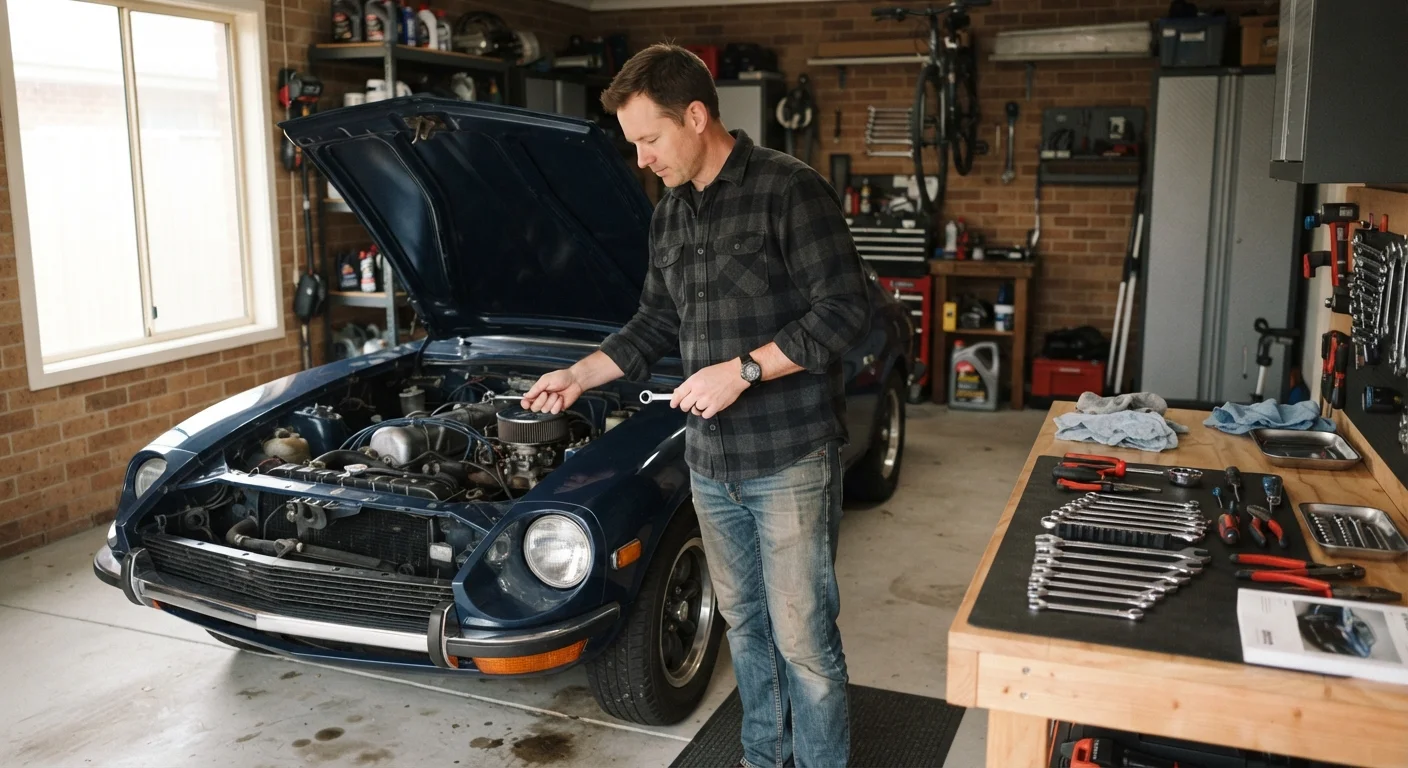
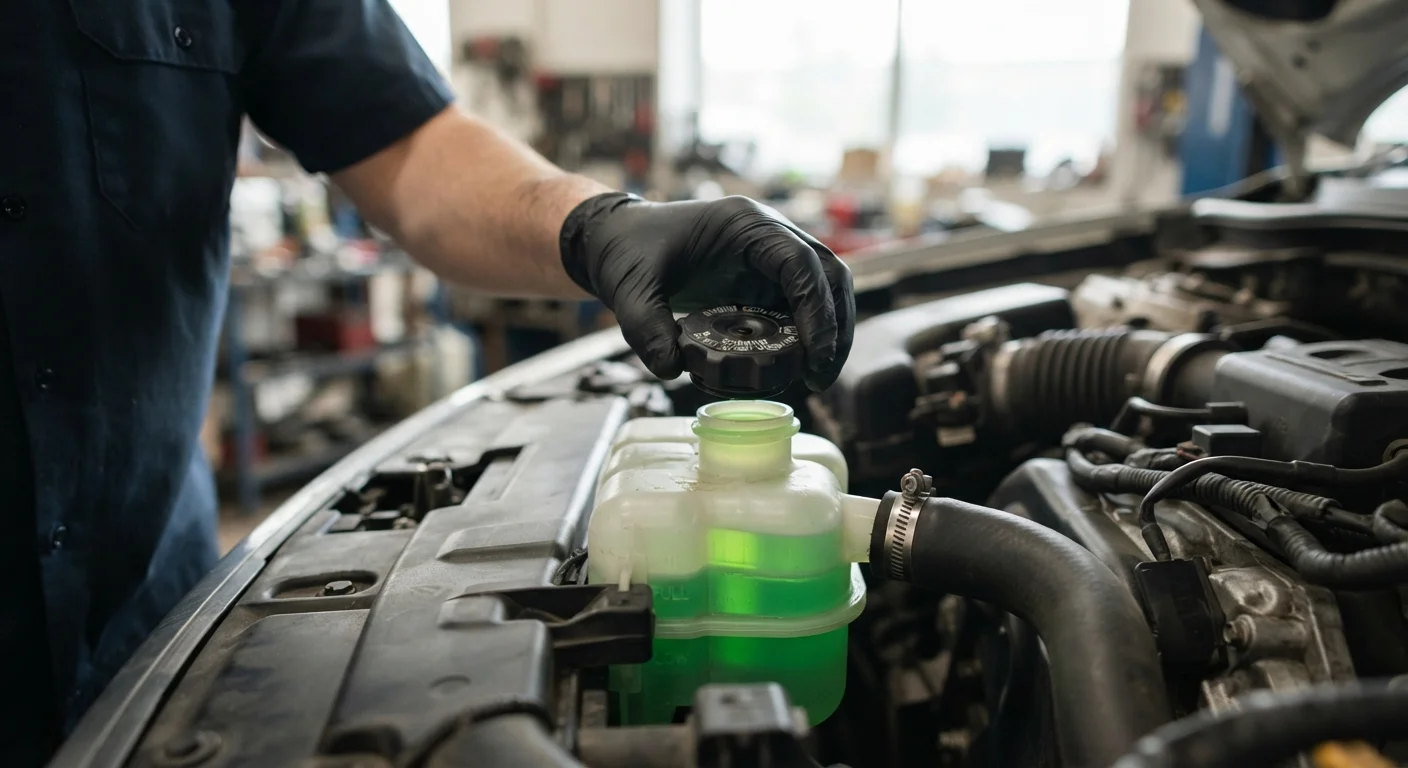
Driving habits and scheduled maintenance are not separate concerns. A vehicle with degraded brake fluid, worn pads, or low transmission fluid will show more wear from the same driving inputs than one that is properly serviced. Following the intervals in your owner's manual, explained in detail at understanding your vehicle's maintenance schedule, gives the mechanical systems the margin they need to handle normal use without accelerating wear.
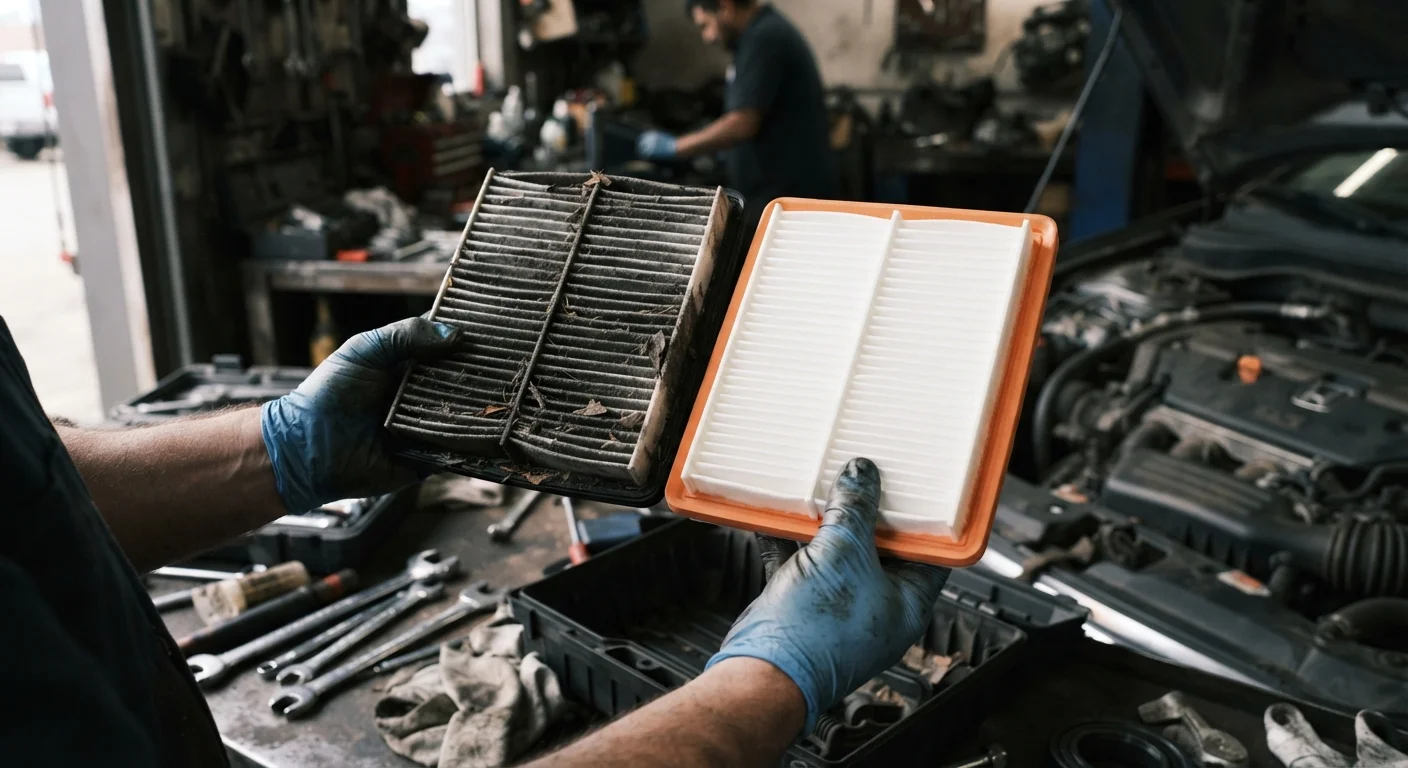
Oil changes matter here in a specific way. Fresh oil maintains a lubricating film between moving engine parts. Driving on degraded oil, especially after frequent cold starts or short trips, increases metal-on-metal friction and accelerates wear that is not reversible. The cumulative effect of deferred maintenance is covered in what happens when engine maintenance is deferred. Consistent habits in both driving and servicing add up to measurably longer component life, as outlined in maintenance habits that support long-term car ownership.