What makes highways different from other roads
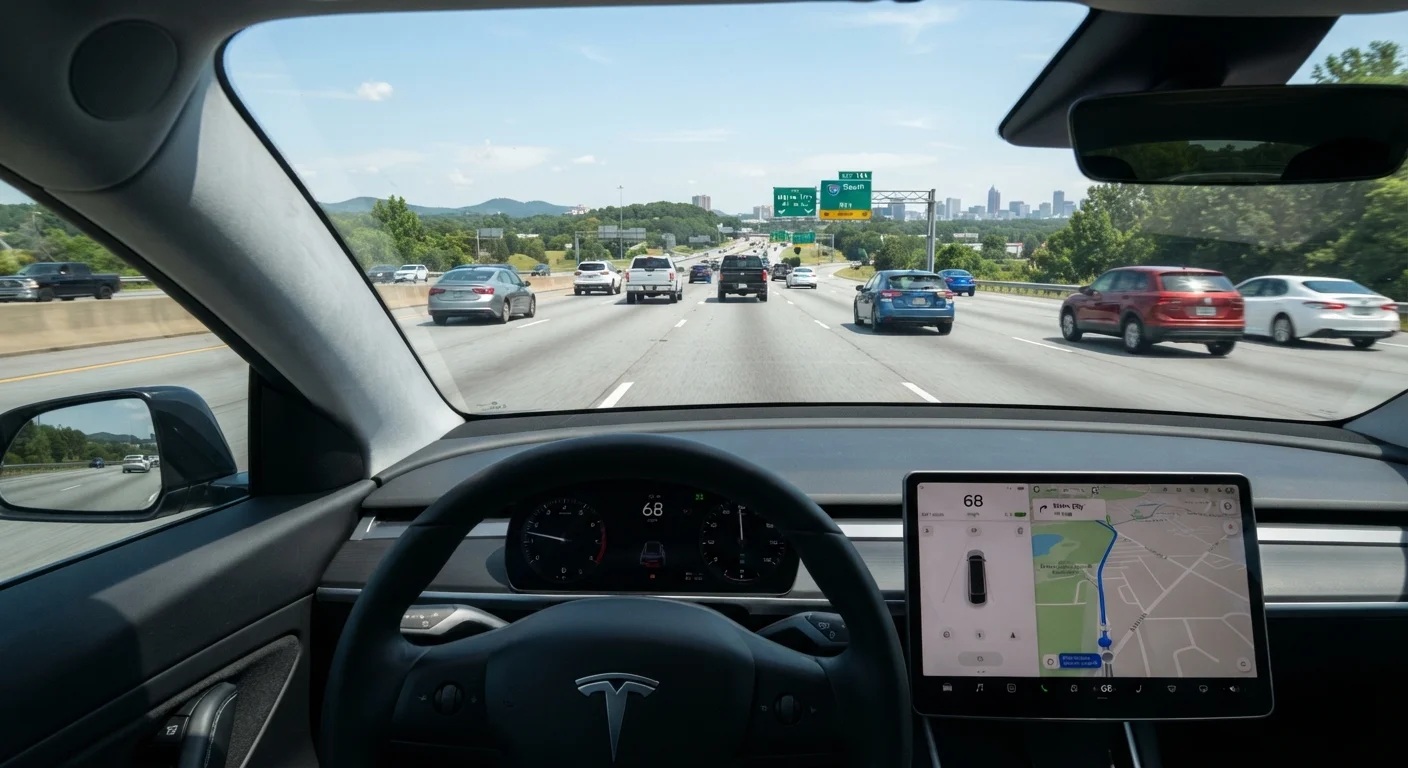
Highway driving involves sustained high speeds, multiple lanes, and limited access points, which together demand a different mental approach than city or suburban driving. On local roads, traffic lights and stop signs give drivers frequent resets. Highways offer no such structure: you must manage your position, speed, and awareness continuously for miles at a time.
New drivers often underestimate how much faster everything happens at 65 mph compared to 35 mph. Closing distances shrink quickly, and small errors compound fast. Before driving on a highway, it helps to understand what defensive driving actually involves, including the scanning habits and space management that highway travel demands.
On-ramp
A short acceleration lane that connects a surface road to a highway, giving drivers space to reach highway speed before merging.
Blind spot
An area around your vehicle that mirrors do not show clearly, typically along the rear sides of the car.
Following distance
The gap between your vehicle and the one ahead, measured in time or feet, needed to stop safely if traffic slows suddenly.
Lane discipline
The practice of staying in the correct lane for your speed and purpose, keeping the left lane free for passing.
Shoulder check
A brief glance over your shoulder to see the area that mirrors miss before changing lanes or merging.
Merging onto the highway correctly
The on-ramp exists so you can accelerate to highway speed before joining traffic, not after. Treat the acceleration lane as your runway. By the time you reach the end of it, your speed should match the flow of vehicles already on the road.
While accelerating, check your mirrors and the gap in the right lane. Signal early so nearby drivers know your intent. When a clear gap opens, move into it smoothly without braking once you are in the lane. If no gap appears, adjust your speed within the ramp to create one, but do not stop unless the ramp requires it. A detailed breakdown of timing and signaling is in this guide on merging into traffic safely.
Lane discipline and when to change lanes
On a two-lane highway, the right lane is the default travel lane. The left lane is for passing. On multi-lane highways, slower traffic stays right, and drivers move left only to pass before returning right. Sitting in the left lane while not passing blocks faster-moving traffic and is a violation in most states.
When you need to change lanes, follow this sequence: check your mirrors, signal, check your mirrors again, do a shoulder check, then move gradually. Never jerk the wheel. Confirm the destination lane is clear from both ahead and behind before committing. Avoid changing lanes near on-ramps, since merging vehicles need that space.
Managing speed and following distance
Speed limits on highways are maximums, not targets. In rain, fog, heavy traffic, or when fatigued, driving below the posted limit is appropriate. Matching the general flow of traffic, when that flow is reasonable, tends to reduce conflict with other drivers.
Following distance matters more on a highway than almost anywhere else. The three-second rule is a practical minimum: pick a fixed point, and count how long after the vehicle ahead passes it before you do. In adverse conditions, extend that to four or five seconds. Following distance on rural roads versus city streets differs by context, and highway gaps should generally be your largest. Consistent speed and early, gradual braking also reduce wear on your vehicle over time; see how smooth driving habits protect your car.
Use the two-second test in good conditions
Pick a stationary object like a sign or overpass. When the vehicle ahead passes it, count 'one-thousand-one, one-thousand-two.' If you reach the object before finishing the count, you are too close. Add a full extra second in rain or low light.
Blind spots and mirror habits at highway speed
Every vehicle has zones that mirrors do not cover, typically along each rear quarter panel. At highway speed, another vehicle can sit in your blind spot for several seconds before appearing in your mirror. That is long enough to cause a collision during a lane change.
Before any lane change, check both mirrors, signal, then do a one-second shoulder check by turning your head briefly toward the lane you are entering. Keep the steering wheel steady during that glance. Properly adjusted mirrors reduce the size of blind spots but do not eliminate them. The full picture of where blind spots occur and how to minimize them is covered in this article on blind spot locations and how to check them.
Exiting safely and handling unexpected situations
Begin moving toward the exit lane well before the ramp, not at the last moment. Signal in advance, check the right lane, and merge smoothly. Decelerate after entering the exit ramp, not before, so you do not brake suddenly in the travel lane.
If you miss your exit, take the next available one and use surface roads to return. Reversing on the shoulder or forcing a late lane cut across traffic causes serious accidents. Similarly, if a tire blows or a mechanical problem occurs, steer gently to the right, signal, and slow gradually to the shoulder. Braking hard during a blowout can cause a spin.
Aggressive or erratic drivers around you are another variable. Staying calm and keeping distance from them is the most effective response. Understanding how road rage escalates can help you recognize and avoid those situations before they develop.